

In today’s fast-paced world, keeping your kitchen clean and efficient is a top priority for many homeowners. A Snap Buzzz favorite, the sink food chopper, is a game-changing kitchen tool designed to simplify food waste management. This innovative device, also known as a garbage disposal or food waste disposer, grinds food scraps into tiny particles, allowing them to be safely flushed down the drain. By incorporating a sink food chopper into your kitchen, you can reduce waste, minimize odors, and streamline your cleanup process. This article explores what a sink food chopper is, how it works, its benefits, and tips for using it effectively in your home.
What Is a Sink Food Chopper?
A sink food chopper is a compact, electric-powered device installed beneath your kitchen sink. It connects to the drain and uses a high-speed motor to shred food scraps into small pieces. These particles are then flushed through your plumbing system, reducing the amount of waste that ends up in your trash can. For a detailed guide on selecting the right model, check out this resource on how to choose a food waste chopper for your sink. Unlike traditional composting or manual waste disposal, this tool offers a convenient and hygienic solution for handling food scraps.
Sink food choppers come in various sizes and power levels, typically measured in horsepower (HP). Models range from 1/3 HP for small households to 1 HP or more for larger families or heavy use. They are designed to handle a variety of food waste, including vegetable peels, fruit cores, and small bones, making them a versatile addition to any kitchen.
How Does a Sink Food Chopper Work?
The mechanics of a sink food chopper are straightforward yet highly effective. When you turn on the device, a motor spins a rotating plate, or impeller, at high speeds. Food scraps dropped into the disposal are broken down by the spinning plate and sharp grinding components, often called impellers or blades. The ground-up particles are then flushed through the drain with water, traveling safely through your plumbing system to the sewer or septic system.
To operate a sink food chopper, you simply run cold water, turn on the unit, and feed food scraps into the drain. The cold water helps solidify grease and ensures smooth operation, while the motor powers the grinding process. Most models include a splash guard to prevent food particles from splashing back, keeping your sink area clean. Additionally, many units feature noise-reduction technology for quieter operation, making them less intrusive during use.
Benefits of Using a Sink Food Chopper
Installing a sink food chopper offers numerous advantages for homeowners looking to improve their kitchen’s functionality. Here are some key benefits:
- Reduces Kitchen Waste: By grinding food scraps, a sink food chopper significantly cuts down on the volume of waste sent to landfills. This helps reduce your environmental footprint.
- Minimizes Odors: Food scraps left in trash cans can create unpleasant smells. A sink food chopper processes waste immediately, keeping your kitchen fresher.
- Saves Time: Instead of scraping plates into the trash or compost bin, you can quickly dispose of scraps down the drain, streamlining cleanup.
- Prevents Plumbing Issues: When used correctly, a sink food chopper can help prevent clogs by breaking down food into small, manageable particles.
- Eco-Friendly Option: Many modern sink food choppers are designed with energy efficiency in mind, using minimal electricity to operate.
These benefits make the sink food chopper an essential tool for anyone seeking a cleaner, more efficient kitchen.
Types of Sink Food Choppers
Sink food choppers come in two main types: continuous feed and batch feed. Each has unique features suited to different needs.
Continuous Feed Choppers
Continuous feed models are the most common type. They allow you to add food scraps while the unit is running, making them ideal for busy kitchens. You activate the chopper with a wall switch or plug-in module, and food is processed as long as the unit is on. These models are typically more affordable and easier to use for everyday tasks.
Batch Feed Choppers
Batch feed choppers operate only when a stopper or cover is placed over the drain. This design adds an extra layer of safety, preventing accidental operation or objects from falling into the unit. Batch feed models are ideal for households with children or those prioritizing safety. However, they require loading food in batches, which may be less convenient for heavy use.
Choosing between these types depends on your kitchen habits, budget, and safety preferences. Both options effectively manage food waste, but their operational differences cater to specific needs.
How to Install a Sink Food Chopper
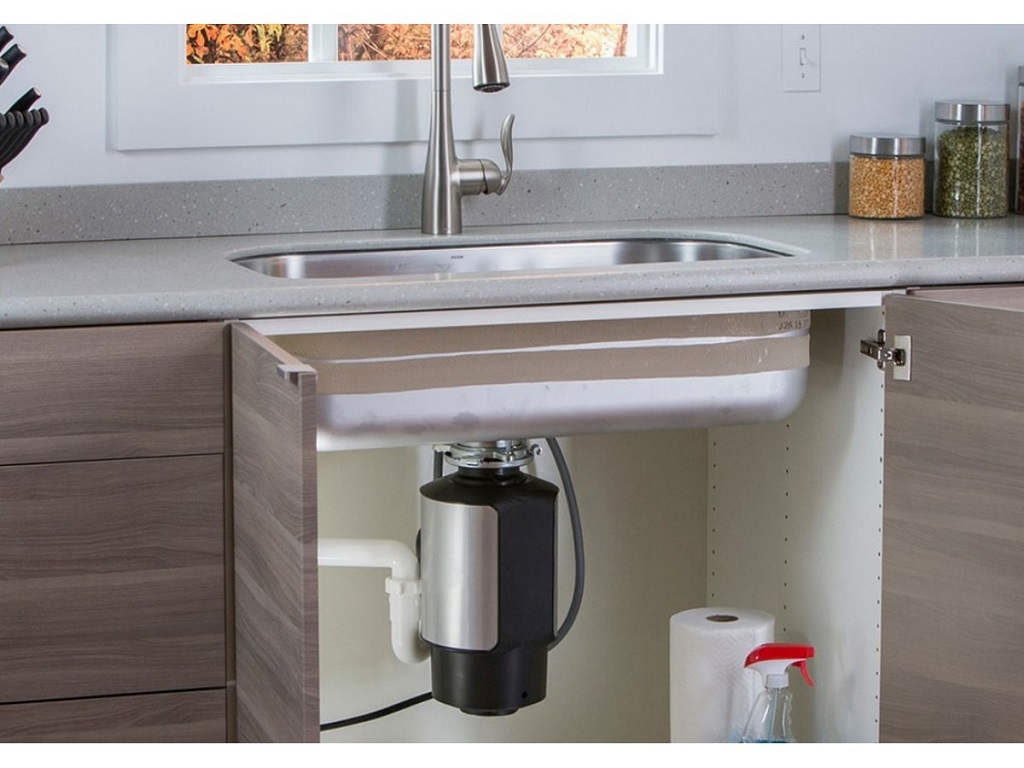
Installing a sink food chopper is a manageable task for those with basic plumbing and electrical skills, though professional installation is recommended for safety. Here’s a general overview of the process:
- Turn Off Power and Water: Ensure the power to the sink area is off and shut off the water supply to avoid accidents.
- Remove Existing Drain Components: Disconnect the drain pipe and remove any existing fittings under the sink.
- Mount the Chopper: Attach the sink food chopper to the sink’s drain flange using the provided mounting hardware.
- Connect Plumbing: Reattach the drain pipe and ensure a secure connection to prevent leaks.
- Wire the Electrical: Connect the chopper to a power source, following local electrical codes. Some models may require a dedicated outlet.
- Test the Unit: Turn on the water and power, then test the chopper to ensure it operates smoothly.
Always consult the manufacturer’s instructions and local regulations before installation. If unsure, hire a licensed plumber or electrician to ensure a safe and proper setup.
Tips for Using Your Sink Food Chopper Effectively
To maximize the performance and lifespan of your sink food chopper, follow these practical tips:
- Run Cold Water: Always run cold water before, during, and after using the chopper to flush particles and prevent grease buildup.
- Avoid Hard or Fibrous Foods: Do not put hard items like large bones or fibrous materials like celery stalks into the chopper, as they can damage the unit.
- Clean Regularly: Periodically clean the chopper by grinding ice cubes or citrus peels to remove buildup and odors.
- Cut Large Scraps: Break down larger food scraps into smaller pieces to prevent overloading the motor.
- Avoid Non-Food Items: Never put non-food items like plastic, glass, or metal into the chopper, as they can cause damage or clogs.
By following these guidelines, you can ensure your sink food chopper operates efficiently and lasts for years.
Maintenance and Troubleshooting
Regular maintenance keeps your sink food chopper in top condition. Clean the unit every few weeks by running a mixture of ice cubes and baking soda or vinegar to eliminate odors and residue. If the chopper becomes jammed, turn off the power and use a hex wrench (often provided with the unit) to manually rotate the impeller and dislodge debris.
Common issues include clogs, unusual noises, or failure to start. For clogs, check the drain pipe and clear any blockages. If the unit makes strange noises, it may indicate a foreign object or worn components—stop use and inspect immediately. If the chopper doesn’t start, check the power source or reset button (usually located on the bottom of the unit). For persistent problems, consult a professional to avoid damaging the device.
Environmental Impact of Sink Food Choppers
Sink food choppers contribute to a more sustainable kitchen by reducing landfill waste. Food scraps sent to landfills can produce methane, a potent greenhouse gas. By grinding and flushing scraps, choppers divert waste from landfills, though they rely on water and electricity. To minimize environmental impact, choose an energy-efficient model and use it responsibly by avoiding overuse or improper disposal of non-food items.
Additionally, check with your local municipality to ensure your septic system can handle food chopper waste. Some systems may require a specific type of chopper designed for septic compatibility to prevent strain.
Read More Also: Smart Kitchen Appliances You’ll Wonder How You Lived Without
Conclusion
A sink food chopper is a valuable addition to any modern kitchen, offering convenience, cleanliness, and environmental benefits. By grinding food scraps into small particles, it simplifies waste management, reduces odors, and saves time during cleanup. Whether you choose a continuous feed or batch feed model, proper use and maintenance ensure long-lasting performance. With the right care, a sink food chopper can transform your kitchen routine, making it more efficient and eco-friendly. Explore options and installation tips to find the perfect model for your home, and enjoy a cleaner, more streamlined kitchen experience.
Frequently Asked Questions
-
What foods can I put in a sink food chopper?
You can put soft food scraps like vegetable peels, fruit cores, and small bones in a sink food chopper. Avoid hard items like large bones, shells, or fibrous foods like celery, as they can damage the unit.
-
Is a sink food chopper safe to use?
Yes, sink food choppers are safe when used correctly. Batch feed models offer extra safety with a stopper mechanism, while continuous feed models require careful handling to avoid accidents.
-
Can a sink food chopper work with a septic system?
Many sink food choppers are compatible with septic systems, but you should choose a model designed for septic use and check with your local municipality for regulations.
-
How do I clean my sink food chopper?
Clean your sink food chopper by grinding ice cubes with baking soda or vinegar to remove buildup and odors. Run cold water during cleaning to flush debris.
-
Do sink food choppers use a lot of electricity?
Most sink food choppers are energy-efficient, using minimal electricity for short bursts of operation. Choose a model with a high-efficiency motor to reduce energy consumption.