
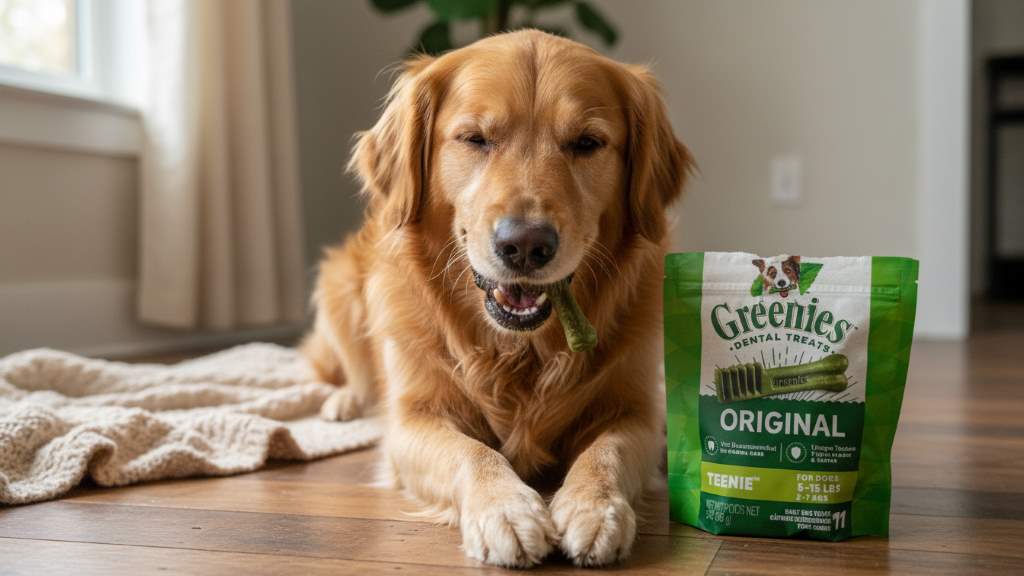
Imagine your furry friend bounding over with a bright smile and minty breath. That dream turns real with the right dental care. Dogs often face tooth problems just like people do. Plaque builds up fast and leads to bad breath or worse issues. Many owners turn to dog teeth cleaning treats to fight this daily battle. Periodontal disease hits most dogs by age three, with signs in nearly all pets that old. In fact, studies show 80 to 89 percent of dogs over three years suffer from it. This article explores top options to keep your pup’s mouth healthy. You will find tips, picks, and science-backed advice. Let’s dive in and make those tails wag happier.
Why Dental Health Matters for Your Dog
Dogs chew on everything from toys to shoes. Yet their teeth need special care to stay strong. Poor oral health causes pain and affects overall well-being. Bacteria from plaque spread to organs like the heart or kidneys. Vets warn that ignoring this leads to costly treatments later. Additionally, fresh breath makes cuddles more enjoyable for everyone.
Research highlights the risks clearly. One study found one in eight dogs deals with dental issues each year. Breeds like Beagles top the list at over 80 percent affected. However, regular routines prevent most problems. Owners who act early see happier pets. For instance, daily habits reduce tartar buildup by up to 20 percent in weeks. So, prioritize this for your dog’s long life.
Bad breath signals trouble beneath the surface. It often stems from food particles stuck in teeth. Over time, this hardens into tartar. Consequently, gums inflame and bleed. Dogs hide pain well, but you notice changes in eating or mood. Therefore, spot signs early to avoid vet visits.
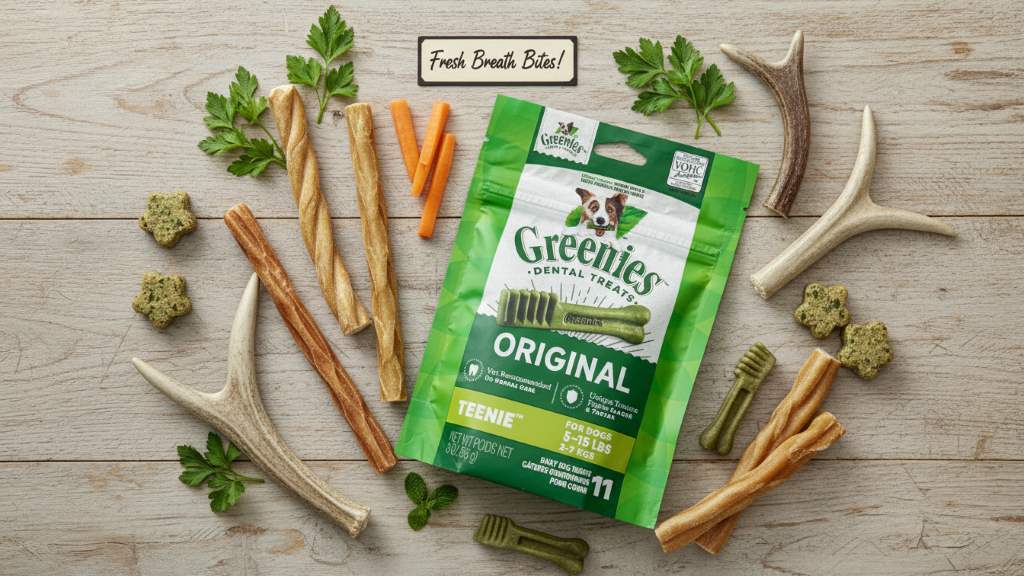
How Dental Treats Work to Clean Teeth
Dental treats scrub teeth as dogs chew. Their texture removes debris like a natural brush. Ingredients break down plaque before it hardens. Moreover, some release enzymes that fight bacteria. This dual action keeps breath fresh too.
Science backs these benefits. A journal study showed chews cut plaque and tartar significantly. Vets recommend products with a VOHC seal for proven results. For example, treats mimic brushing to reach back teeth. As a result, your dog enjoys a snack while getting clean.
Not all treats perform equally. Some focus on tartar control, others on breath. Yet combining them offers full protection. Additionally, size matters for safety. Small dogs need tiny pieces to avoid choking. Larger breeds handle bigger chews better.
Key Ingredients in Effective Dental Treats
Look for natural elements that promote health. Chlorophyll freshens breath from within. Enzymes like glucose oxidase dissolve plaque. Furthermore, abrasives gently scrape tartar away.
Sea kelp appears in many top picks. It minerals teeth and reduces bacteria. Probiotics support gut health linked to oral care. However, avoid artificial colors or fillers. They add no value and might upset stomachs.
Recent research praises postbiotics for halitosis control. These compounds lower odor-causing compounds. Sodium tripolyphosphate binds calcium to prevent tartar. Consequently, treats with these shine in reviews.
Vitamins boost immunity too. Vitamin C strengthens gums. Zinc fights infections. So, read labels carefully. Choose wholesome options for lasting results.
Top Recommendations for Dental Treats
Vets and owners rave about several brands. Greenies lead the pack with their toothbrush shape. Dogs love the taste, and they clean effectively. Moreover, they hold a VOHC approval for tartar reduction.
Whimzees offer veggie-based chews. Their unique shapes scrub grooves. Plus, they suit dogs with allergies. Reviews note less plaque after regular use.
Pedigree Dentastix provide budget-friendly freshness. Mint flavor combats breath. Studies confirm they reduce buildup by half in some cases.
Virbac C.E.T. Veggiedent targets fresh breath. Enzymes break down odors. Vets prescribe them for sensitive mouths.
Milk-Bone Brushing Chews mimic daily brushing. They control tartar well. Owners report whiter teeth quickly.
ProDen PlaqueOff uses kelp for natural cleaning. Vegan formula appeals to many. It softens tartar over time.
Redbarn Bully Sticks last long. They scrape plaque naturally. Dogs chew happily for hours.
Tartar Shield Chews cut bacteria sharply. Clinical tests prove their edge.
OraVet Hygiene Chews release delmopinol. This film prevents attachment. Ideal for stubborn cases.
Purina Pro Plan Chewz satisfy picky eaters. Beef hide base ensures durability.
Tips for Choosing the Right Treats for Your Dog
Consider your dog’s size first. Tiny breeds need small treats. Big ones require larger for safety. Additionally, check for allergies. Grain-free options help sensitive pups.
Age plays a role too. Puppies benefit from softer chews. Seniors prefer easy-to-chew varieties. Moreover, consult your vet for personalized advice.
Look for VOHC seals. They guarantee effectiveness against plaque. However, taste tests matter. Dogs ignore unappealing snacks.
Frequency counts as well. Daily use yields best results. Yet start slow to watch for reactions. Track improvements in breath and teeth.
Variety keeps things fun. Rotate brands to prevent boredom. Consequently, your dog stays engaged in oral care.
Integrating Dental Treats into Your Dog’s Routine
Start with one treat a day after meals. This timing maximizes cleaning. Dogs associate it with positive rewards. Furthermore, pair with brushing for extra power.
Make it playful. Toss the treat for fetch. Praise them during chewing. As a result, they look forward to the habit.
Monitor chewing closely. Supervise to prevent gulping. Break large pieces if needed. Additionally, store treats fresh for appeal.
Combine with other care. Water additives enhance effects. Toys like ropes scrub too. So, build a full routine.
Track progress monthly. Check gums and breath. Note changes in energy. Vets appreciate this data during checkups.
Other Ways to Support Your Dog’s Dental Health
Brushing tops the list. Use pet toothpaste daily. Soft brushes reach everywhere. Studies show it beats treats alone.
Professional cleanings help advanced cases. Vets remove deep tartar under anesthesia. However, prevention avoids this often.
Diet influences teeth. Dry kibble scrapes naturally. Wet food sticks more. Moreover, add veggies like carrots for crunch.
Toys provide fun cleaning. Rubber ones massage gums. Rope toys floss between teeth.
Supplements offer boosts. Powders like PlaqueOff sprinkle on food. They soften tartar gradually.
Regular vet visits catch issues early. Exams spot hidden problems. Consequently, your dog stays pain-free.
Benefits of Dental Treats for Plaque and Tartar
Dental treats for plaque and tartar tackle buildup head-on. Their abrasive surfaces scrape away deposits. Enzymes dissolve sticky films. As a result, teeth stay cleaner longer.
Owners see whiter smiles fast. Bad breath fades too. Moreover, healthier gums reduce bleeding risks.
Research confirms reductions up to 50 percent. VOHC-tested ones perform best. However, consistency matters most.
Pair with healthy dog treats for balanced nutrition. These add vitamins without junk. Dogs thrive on whole ingredients.
Case studies show success. One Beagle cleared tartar in months with daily chews. Energy returned as pain left.
Common Mistakes to Avoid with Dental Treats
Overfeeding leads to weight gain. Stick to one per day. Additionally, ignore calorie counts at your peril.
Choosing wrong sizes risks choking. Measure your dog properly. Moreover, skip hard treats for weak teeth.
Forgetting supervision invites accidents. Watch every chew session. However, intervene gently if needed.
Neglecting variety bores dogs. Rotate flavors weekly. Consequently, compliance improves.
Assuming treats replace brushing fails. Use them as supplements. So, combine for optimal health.
Breed-Specific Considerations for Dental Care
Small breeds like Chihuahuas crowd teeth. They need finer treats. Tartar builds quicker here.
Large breeds chew hard. Durable options suit them. Yet monitor for breakage.
Flat-faced dogs struggle breathing. Soft chews ease their efforts. Additionally, fresh breath helps allergies.
Active breeds burn calories fast. High-protein treats fuel them. However, calm pups need lower energy ones.
Senior dogs soften preferences. Gel-based or moist treats work. Moreover, joint-supporting ingredients add value.
The Role of Nutrition in Oral Health
Balanced diets prevent issues. Omega-3s reduce inflammation. Antioxidants fight bacteria. Furthermore, fiber scrubs naturally.
Avoid sugary snacks. They feed plaque growth. Instead, opt for meat-based treats.
Water intake flushes mouths. Add fountains for fun drinking. As a result, debris clears easier.
Supplements bridge gaps. Probiotics balance flora. Consequently, breath improves.
Studies link gut health to oral. Healthy microbes reduce odors. So, feed wisely.
Success Stories from Dog Owners
Sarah’s Lab had foul breath. Greenies changed that in weeks. She shares how playtime improved.
Mike’s Terrier fought tartar. Whimzees cleared it naturally. Vet praised the progress.
Emily’s Puppy started early. No issues at one year. Routine made bonding fun.
These tales inspire action. Owners report closer bonds. Moreover, pets show more joy.
Communities online swap tips. Forums buzz with favorites. However, vet advice trumps all.
Future Trends in Dog Dental Products
Innovation brings smarter treats. AI designs optimal shapes. Biotech adds natural antimicrobials.
Sustainability rises. Eco-friendly ingredients appeal. Additionally, personalized formulas emerge.
Research pushes boundaries. New enzymes target specific bacteria. As a result, effectiveness soars.
Subscription boxes deliver variety. Owners save time. Moreover, tech tracks health via apps.
Expect more vegan options. Plants clean just as well. So, watch for updates.
Conclusion
Dental treats keep your dog’s teeth clean and breath fresh effortlessly. Top picks like Greenies and Whimzees reduce plaque with science-backed power. Key ingredients fight tartar daily. Integrate them into routines for best results. Avoid common pitfalls and consult vets. Your pup deserves a healthy smile. Start today by picking a VOHC-approved treat and watch the difference unfold.
FAQs
What Are the Signs of Poor Dental Health in Dogs?
Dogs show bad breath first. Gums turn red or bleed. They might paw at mouths. Eating slows or drops food. Weight loss follows if pain worsens. Check regularly to catch early.
How Often Should I Give My Dog Dental Treats?
Offer one treat daily. This builds habit without overdoing calories. Adjust for size and activity. Vets suggest after meals for max clean. Consistency brings results.
Are Dental Treats Safe for Puppies?
Yes, choose soft puppy versions. Start at six months. Supervise always. They build good habits young. Consult vets for breed specifics.
Can Dental Treats Replace Brushing?
No, they complement it. Brushing removes more plaque. Use both for full care. Treats make routines fun. Research shows combined approaches work best.
What If My Dog Doesn’t Like Dental Treats?
Try different flavors. Mix with favorites. Make games of it. Persistence pays off. Vets offer alternatives like gels.