
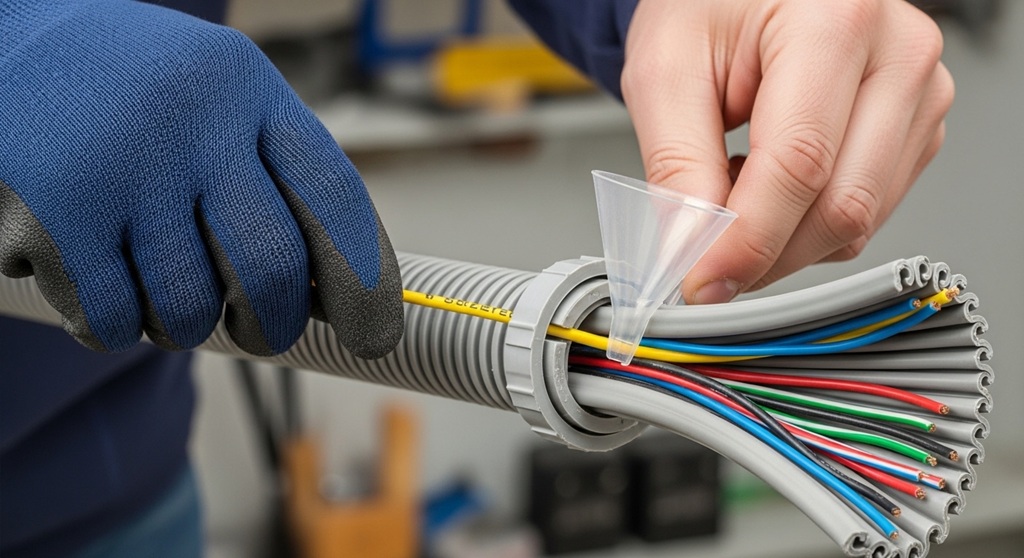
The safest way to pull wire through conduit is to calculate conduit fill correctly, use proper pulling tools, reduce cable friction with lubricant, and apply steady tension without exceeding manufacturer-rated pulling limits.
Many electrical failures begin during installation. Not years later. Not from overload. But from damaged insulation caused by poor pulling techniques.
If you pull wire through conduit incorrectly, you risk:
- Insulation abrasion
- Conductor stretching
- Overheating later in service
- Costly rework
According to field reports from electrical contractors, insulation damage during pulls is one of the top preventable causes of early wiring failure in commercial installations.
This guide walks you through practical conduit wiring tips, proven electrical installation techniques, and friction-reduction strategies that protect your cables — and your reputation.
Why Do Cables Get Damaged During Conduit Pulling?
Short answer: Cable damage usually happens due to excessive pulling tension, sharp bends, overcrowded conduit, or high friction inside the raceway.
Let’s break this down.
1. Excessive Pulling Tension
Every conductor has a maximum pulling tension rating. When installers exceed it, the copper can stretch. Insulation can weaken. The damage may not be visible immediately.
2. Improper Conduit Fill
The National Electrical Code (NEC) limits conduit fill to:
- 53% for one conductor
- 31% for two conductors
- 40% for three or more conductors
Overfilling increases resistance and heat buildup.
3. Sharp Bends
NEC limits conduit bends to 360° total between pull points. More bends = more sidewall pressure.
4. Lack of Lubrication
Dry pulling dramatically increases friction. This is one of the biggest mistakes in conduit installation.
Reducing cable friction is not optional. It is essential.
How Do You Prepare Conduit Before Pulling Wire?
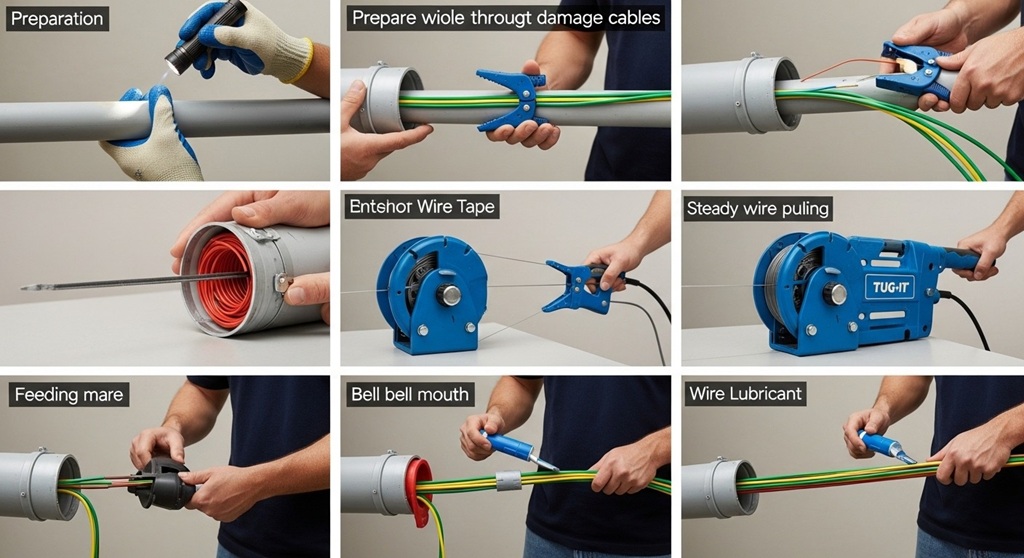
Short answer: Inspect, clean, measure fill capacity, and confirm bend radius compliance before pulling any cable.
Preparation reduces 80% of common pulling problems.
Step 1: Inspect the Raceway
- Check for sharp edges
- Remove burrs at conduit ends
- Verify fittings are secure
Step 2: Clean the Conduit
Dust, moisture, and debris increase abrasion. Use a foam swab or cleaning mandrel before pulling conductors.
Step 3: Verify Conduit Fill
Calculate cross-sectional area of conductors and compare to conduit capacity. This is not guesswork.
Step 4: Plan the Pull
- Identify pulling direction
- Choose pulling points
- Assign team roles
Good electrical installation techniques always start with planning.
What Tools Help Prevent Cable Damage During Pulling?
Short answer: Use fish tape, pull rope or mule tape, cable lubricant, rollers, and tension monitoring tools.
Fish Tape
Best for shorter runs. Works well in straight conduit sections.
Mule Tape or Pull Tape
For longer runs and heavier conductors, mule tape distributes pulling force evenly and reduces twisting.
If you are selecting the right pulling material, review this guide on
conduit wiring tips and pull tape selection.
Cable Lubricant
Reduces cable friction significantly. Studies show proper lubrication can reduce pulling tension by up to 50% depending on conduit type.
Conduit Rollers
Essential for large cables entering panels. Prevents scraping at entry points.
Dynamometer
Measures pulling tension in real time. Critical in large commercial projects.
How Can You Reduce Cable Friction Inside Conduit?
Short answer: Use approved cable lubricant, minimize bends, control sidewall pressure, and avoid overfilling.
Reducing cable friction is the single most effective way to prevent insulation damage.
Use the Right Lubricant
- Water-based for most THHN/THWN cables
- Polymer-based for longer pulls
- Never use grease or oil
Apply Lubricant Correctly
Apply directly to the cable as it enters conduit. Do not just pour it inside.
Control Sidewall Pressure
Sidewall pressure increases dramatically in bends. Keep bend radius large and use pull boxes when needed.
Case Study Example
In a mid-sized commercial building project, contractors recorded pulling tension of 420 lbs without lubricant. After applying approved lubricant, tension dropped to 210 lbs. No insulation damage was reported after inspection.
This is measurable impact.
What Is the Correct Pulling Technique for Long Conduit Runs?
Short answer: Maintain steady tension, communicate clearly, pull slowly, and avoid jerking motions.
Maintain Steady Pulling Speed
Jerking increases shock load. Shock load can exceed rated pulling tension even if average force seems low.
Use a Two-Person System
- One person feeds cable smoothly
- One person pulls with controlled tension
Pre-Stagger Conductors
Cut conductors at staggered lengths before taping. This reduces bundle bulk at the head.
Secure the Pulling Head Properly
Use proper knots or pulling grips. Loose heads can cause twisting and friction.
Professional electrical installation techniques focus on control, not speed.
How Do You Avoid Overheating and Long-Term Damage?
Short answer: Prevent insulation damage during pulling and respect conductor ampacity ratings.
Damaged insulation increases resistance. Increased resistance produces heat.
Heat leads to:
- Premature insulation breakdown
- Arc faults
- Fire hazards
Always inspect cables after pulling:
- Check for visible abrasion
- Test insulation resistance
- Confirm no flattening or stretching
A 2023 electrical maintenance survey found that 18% of early conductor failures were linked to installation damage rather than load issues.
Installation quality matters.
What Are Common Mistakes to Avoid?
Short answer: Avoid overfilling conduit, skipping lubricant, pulling too fast, and ignoring bend limits.
- Pulling dry cables through long PVC runs
- Ignoring NEC fill percentages
- Using undersized pull rope
- Exceeding 360° bend rule
- Failing to communicate between pull team members
These errors cost time and money.
Conclusion: How Can You Ensure Safe and Efficient Conduit Wiring?
Pulling wire through conduit is not just a mechanical task. It is a precision process.
When you calculate conduit fill correctly, reduce cable friction, use proper pulling tools, and apply steady tension, you prevent insulation damage and extend system life.
Small mistakes during installation can create major problems later. But the solution is simple: follow proven conduit wiring tips and use professional electrical installation techniques every time.
If you are preparing for a new project, review your pulling materials carefully and choose the right pull tape or mule tape before starting. The right preparation prevents expensive repairs.
Take action today: Audit your current installation process and upgrade your pulling tools and methods before your next conduit run.
Frequently Asked Questions
1. What lubricant is best for pulling wire through conduit?
Water-based cable lubricant is commonly used for THHN and THWN conductors. Always use manufacturer-approved lubricant to reduce cable friction safely.
2. How much tension is too much when pulling cable?
Each conductor has a maximum pulling tension rating specified by the manufacturer. Exceeding this rating can stretch copper and damage insulation.
3. Can I pull multiple wires at once?
Yes, but only if conduit fill calculations remain within NEC limits. Overcrowding increases friction and sidewall pressure.
4. Do I always need lubricant?
For short straight runs, it may not be necessary. For long runs or multiple bends, lubricant significantly reduces pulling force and risk of damage.
5. What is the maximum number of bends allowed between pull points?
The NEC limits conduit bends to 360 degrees between pull points. Exceeding this requires an additional junction or pull box.
6. How do I inspect cables after pulling?
Visually inspect for abrasions, flattening, or cuts. Perform insulation resistance testing when required for commercial projects.
7. What is mule tape used for in conduit wiring?
Mule tape is a flat pulling tape used to pull conductors through conduit. It distributes force evenly and reduces twisting during long pulls.
Related Topic: Coconut Grove Miami Real Estate: A Tropical Paradise for Homebuyers and Investors
Read Next: How to Choose the Best Rescue Rope for Emergency Situations