

The best rescue rope for emergency situations is a certified, high strength rope with appropriate diameter, tensile strength, and material suited to the rescue environment. It must meet recognized safety standards, handle expected loads, and remain reliable under stress, moisture, and abrasion.
When an emergency unfolds—whether it is a building evacuation, confined space rescue, or swiftwater incident—your rope becomes your lifeline. A wrong choice can lead to rope failure, delayed response, or preventable injury.
Many buyers focus only on price or brand. That is the problem. In rescue operations, rope diameter, material type, construction, elongation rate, and strength rating matter more than marketing claims. According to the U.S. Bureau of Labor Statistics, falls remain one of the leading causes of workplace fatalities. Proper rope selection directly reduces risk in technical rescue and fall protection scenarios.
This guide breaks down how to choose the right rope using factual data, field standards, and real rescue case insights. No hype. Just what works.
Why Does Choosing the Right Rescue Rope Matter?
The right rescue rope prevents failure under load, reduces injury risk, and ensures operational efficiency during emergencies.
The Problem: Rope Failure Has Consequences
Rescue scenarios often involve suspended loads, human weight, shock loading, and abrasive surfaces. If the rope cannot handle dynamic forces, it may stretch excessively or break.
In a 2019 industrial rescue case study published by the National Institute for Occupational Safety and Health (NIOSH), improper rope specification contributed to delayed extraction during a confined space incident. The rope used was rated for general utility, not technical rescue.
The Agitation: Hidden Risks Most Buyers Ignore
- Underrated tensile strength
- Incorrect rope diameter for hardware compatibility
- Poor abrasion resistance
- Excessive elongation under load
- Lack of certification (NFPA or CE)
These oversights increase failure probability. Rescue ropes must be selected with margin for safety, not guesswork.
The Solution: Technical Evaluation Before Purchase
Instead of focusing on brand names alone, evaluate specifications. Compare material, diameter, breaking strength, and certification. For example, reviewing detailed performance specs such as those found in this high strength rope guide can help you benchmark quality before buying.
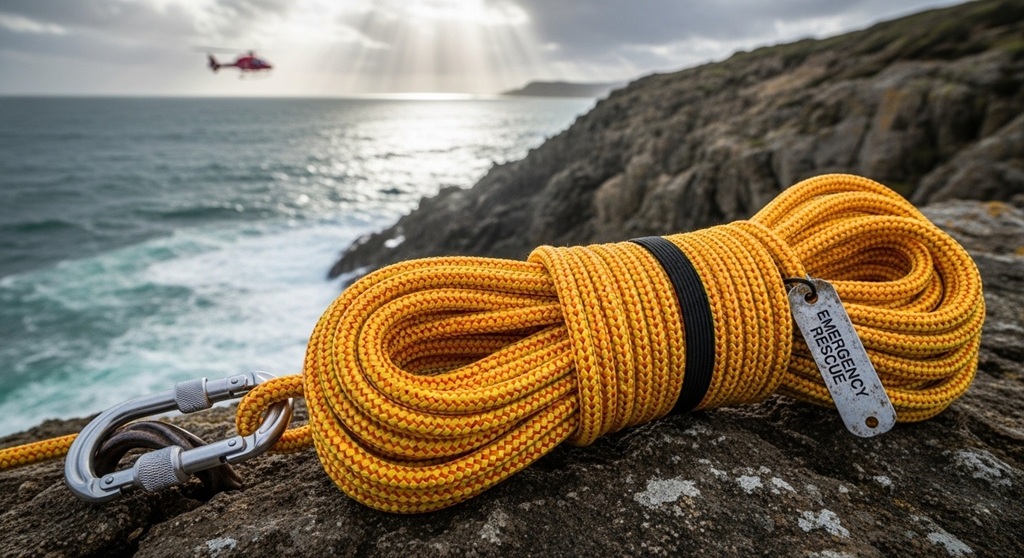
What Types of Rescue Ropes Are Available?
Rescue ropes are primarily classified into static, low-stretch, and dynamic ropes, each designed for specific emergency uses.
1. Static Rope
Designed for minimal stretch (typically under 5% at working load). Ideal for:
- Rappelling
- Lowering systems
- Confined space rescue
- Hauling systems
Static ropes provide predictable control. Most technical rescue teams use 11 mm to 13 mm static kernmantle ropes.
2. Low-Stretch Rope
Often categorized under NFPA standards as “Low Stretch.” Elongation usually under 10% at 10% MBS (Minimum Breaking Strength).
Used for:
- General rescue operations
- Urban search and rescue
- Fire department technical rescue
3. Dynamic Rope
Designed to stretch significantly under load. Primarily used in climbing. Not typically recommended for controlled rescue lowering unless shock absorption is required.
How Do You Perform a Rope Diameter Comparison?
Rope diameter affects strength, handling, compatibility with hardware, and weight. Common rescue diameters range from 9.5 mm to 13 mm.
Quick Rope Diameter Comparison Table
| Diameter | Typical Use | Approx. Breaking Strength | Weight Impact |
|---|---|---|---|
| 9.5–10 mm | Light rescue / backup lines | 22–25 kN | Lightweight |
| 11 mm | Standard technical rescue | 27–30 kN | Balanced |
| 12.5–13 mm | Heavy-duty rescue | 32–40+ kN | Heavier |
Why Diameter Matters
Thicker ropes generally provide higher tensile strength and better abrasion resistance. However, they are heavier and may not fit certain descenders or pulleys.
Fire departments commonly use 11 mm or 12.5 mm ropes because they balance handling and strength.
A rope diameter comparison should consider:
- Load requirements
- Compatibility with carabiners and pulleys
- Environmental exposure
- Team handling efficiency
What Materials Are Best for Rescue Rope?
Nylon and polyester are the most common materials for rescue rope, with nylon offering elasticity and polyester offering lower water absorption.
Nylon Rope
- High tensile strength
- Good shock absorption
- Absorbs water (can reduce strength when wet)
Used widely in technical rescue operations.
Polyester Rope
- Low stretch
- Better UV resistance
- Less water absorption
Often used in marine or wet rescue environments.
Kernmantle Construction
Most rescue ropes use kernmantle construction:
- Kern: Core fibers provide strength.
- Mantle: Protective outer sheath.
This design improves durability and load distribution.
How Much Strength Does a Rescue Rope Need?
A rescue rope should have a minimum breaking strength of at least 22 kN for light rescue and 30+ kN for technical rescue operations.
1 kN equals approximately 225 pounds of force.
Example calculation:
- Average rescuer + victim load: 200 kg (440 lbs)
- Dynamic factor and safety margin applied
- Required rope strength far exceeds static body weight
NFPA 1983 standards require:
- General Use Rope: Minimum 40 kN
- Technical Use Rope: Minimum 20 kN
Always verify certification labels before purchase.
What Safety Standards Should You Look For?
Look for NFPA 1983, CE, and UIAA certifications when selecting rescue rope.
- NFPA 1983: U.S. standard for life safety rope
- CE Marking: European conformity standard
- UIAA: International mountaineering standard
Certified ropes undergo tensile strength testing, elongation measurement, and sheath slippage tests.
How Does Environment Affect Rope Selection?
Environmental factors like water, heat, chemicals, and abrasion directly influence rope lifespan and performance.
Wet Conditions
Polyester may perform better due to lower water absorption.
High Heat
All synthetic ropes degrade under extreme heat. Avoid contact with sharp hot edges.
Chemical Exposure
Industrial rescue requires chemical-resistant rope materials.
How Long Does a Rescue Rope Last?
Most rescue ropes last 5–10 years unused, but heavy operational use reduces lifespan significantly.
Factors affecting longevity:
- Frequency of load cycles
- UV exposure
- Abrasion
- Contamination
Industry practice recommends regular inspection and immediate retirement after shock loading or visible core damage.
What Is the Step-by-Step Process to Choose the Right Rescue Rope?
Follow a structured evaluation process: define load, compare diameter, verify strength, check certification, and assess environment.
- Identify rescue scenario type
- Calculate expected load
- Perform rope diameter comparison
- Verify tensile strength rating
- Confirm safety certification
- Match rope to hardware compatibility
- Evaluate environmental exposure
This systematic approach reduces selection errors.
Conclusion: How Do You Make the Final Decision?
Choosing the best rescue rope is not about brand loyalty. It is about verified strength, proper diameter, correct material, and certified safety compliance.
Start with your load requirements. Perform a clear rope diameter comparison. Confirm minimum breaking strength. Check for NFPA or CE certification. Evaluate environmental risks.
Emergency response leaves no room for assumptions. Invest in tested, certified, high strength rope that aligns with your operational needs.
Need a performance benchmark before buying? Review detailed specifications and comparisons here: high strength rope guide.
Equip correctly. Train properly. Inspect regularly. Your rope is your lifeline.
FAQ: Best Rescue Rope for Emergency Situations
1. What diameter rescue rope is best for general use?
11 mm to 12.5 mm is most commonly used for technical rescue because it balances strength and handling.
2. Is static or dynamic rope better for rescue?
Static or low-stretch rope is preferred for controlled lowering and hauling systems.
3. How strong should a rescue rope be?
Technical rescue ropes should meet at least 20–40 kN minimum breaking strength depending on classification.
4. Can climbing rope be used for rescue?
Dynamic climbing rope can be used in specific scenarios, but it is not ideal for controlled rescue systems.
5. How often should rescue rope be inspected?
Inspect before and after every use. Conduct documented periodic inspections according to departmental policy.
6. Does water weaken rescue rope?
Nylon can lose some strength when wet. Polyester is more water resistant.
7. When should a rescue rope be retired?
Immediately after severe shock load, visible core damage, or failure during inspection.
Continue Your Journey: How to Choose a Treadmill for Running in Australia
Essential Resources: How to Choose Modern Queen Bedroom Sets for Your Home