

Learning how to clean gutters safely starts with one sobering fact: most gutter injuries come from ladders and roofs, not from the debris itself. If you are eyeing a clogged downspout and wondering whether to climb up this weekend, the answer depends on your roof height, your tools, and your comfort on a ladder. This guide walks through the hazards, the right sequence of steps, and the mistakes that send homeowners to the emergency room. For a broader view of exterior upkeep planning, //homeyplans.com collects practical home maintenance ideas worth reviewing before you schedule the job.
Quick answer: Clean gutters from a stable ladder placed on level ground, wearing gloves and eye protection, and scoop debris by hand before flushing the system with a hose. Stay off the roof in wet or windy conditions, keep your body centered between the ladder rails, and call a professional for steep roofs or heights above one story.
What is clean gutters safely?
Cleaning gutters safely means removing leaves, grit, and blockages from the troughs and downspouts while controlling the two real dangers: falling from height and contact with contaminated debris. It is a maintenance task, not a repair job, though it often reveals problems that need one.
The work itself is straightforward. You remove debris from the channel so rainwater can flow to the downspout and away from the foundation. Safety comes from how you reach the gutter, how you handle the ladder, and how you manage the mess you pull out.
The two hazards that define the job
The first hazard is height. A fall from a single-story roofline can cause serious injury, and ladders slip most often on soft ground, wet grass, or uneven paving. The second hazard is biological. Gutters collect decaying leaves, bird droppings, and standing water, which can harbor mold and bacteria.
That combination explains why professionals treat gutter work as a two-person job whenever possible. One person stabilizes the ladder and hands up tools; the other keeps both hands free for scooping. If you work alone, you must be more deliberate about every movement.
What "safe" actually looks like in practice
Safe gutter cleaning has recognizable features. The ladder sits on firm, level ground at roughly a 75-degree angle. It extends about three feet above the roofline so you have something to hold when stepping off. You never lean out to reach a far section; you climb down and reposition instead.
Safety also means knowing when to stop. If your roof pitch is steep, your gutters sit above one story, or you feel unsteady at height, the safest choice is to hire a professional. No amount of saved money justifies a fall.
Takeaway: define the job as debris removal plus fall prevention, and decide before you start whether you are physically up to it.
Why clean gutters safely matters
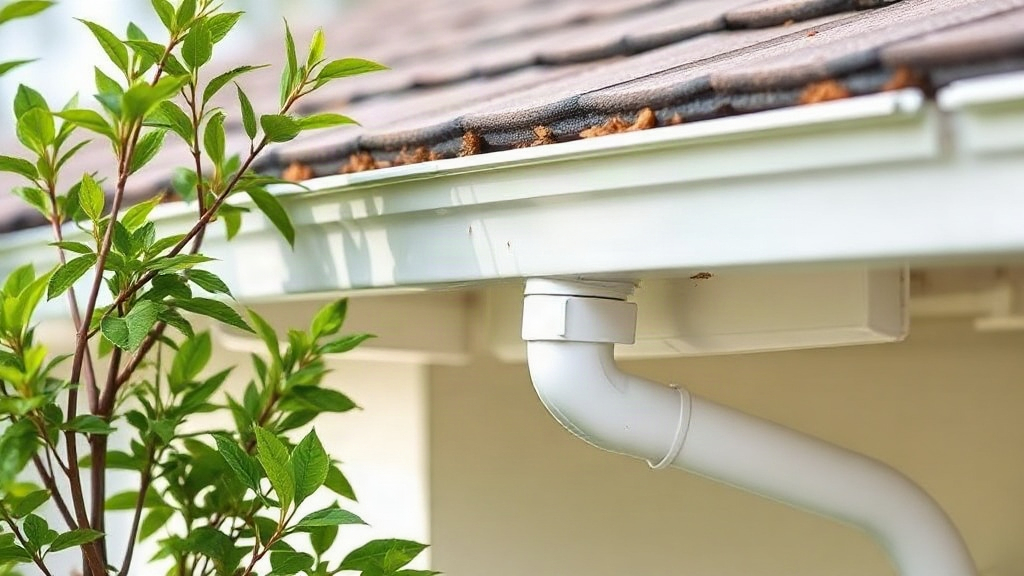
Clogged gutters fail quietly. Water backs up under the roof edge, seeps behind fascia boards, and pools at the foundation. Over a season or two, that moisture can rot wood, crack basement walls, and erode landscaping. Safe cleaning protects both your body and your biggest financial asset.
The financial case is easy to see. Gutter cleaning is a routine, low-cost task. Foundation repair, fascia replacement, and basement waterproofing are not. Ignoring a blocked downspout turns a small chore into a structural problem.
Property damage that starts at the roofline
When a gutter overflows, water follows the path of least resistance. It often runs down the exterior wall, staining siding and soaking into the sheathing behind it. In cold climates, trapped water freezes and expands, which can pull gutters loose from the fascia.
Overflow also lands directly at the foundation. Soil saturated next to a basement wall increases hydrostatic pressure, and that pressure finds cracks. Keeping the system clear is one of the cheapest forms of water damage prevention available to a homeowner.
Personal safety risks most people underestimate
Ladder falls are among the most common home-injury causes, and gutter cleaning puts you squarely in the risk zone. Add wet rungs, slippery roof shingles, and the temptation to overreach, and the danger compounds quickly. Gloves and eye protection also matter more than people expect, because debris can carry sharp twigs and irritating mold spores.
Hidden costs of deferring the job
Deferred maintenance rarely stays cheap. A sagging gutter full of standing water strains its hangers, and a detached run may need full replacement rather than a simple reattachment. Waiting also means the next heavy rain sends water exactly where you least want it.
Takeaway: treat gutter cleaning as insurance against water damage, and treat ladder safety as the non-negotiable part of the job.
Best practices
Good technique follows a fixed order: prepare, position, remove, flush, and inspect. Skipping a step usually shows up later as a leak, a clog, or a near miss on the ladder. A sensible property maintenance calendar, like the one outlined at idealhomesmiami.com, helps you slot this work into the season rather than reacting to a downpour.
Prepare the site and your gear
Start on a dry day with no wind. Clear the ground beneath your work area of tools, toys, and hoses so the ladder has a clean footprint. Wear sturdy shoes with tread, snug gloves, and safety glasses. A bucket hooked to the ladder keeps debris contained and both hands free.
Position the ladder correctly
Set the ladder on firm, level ground and use the four-to-one rule: for every four feet of height, move the base one foot from the wall. Have a helper foot the ladder if you can. Never place it in front of a door, and never stand on the top two rungs.
Remove debris by hand first
Scoop leaves and sludge with a gutter scoop or a gloved hand, working away from the downspout so you do not push material into the outlet. Bag the debris as you go. Dry debris is lighter and easier to manage, which is one more reason to avoid wet days.
Flush and test the downspouts
After the troughs are clear, run a garden hose from the high end and watch the water travel. If a downspout backs up, tap the side to locate the clog, then clear it from the bottom with a plumber’s snake or a hose nozzle. Confirm water exits well away from the foundation.
Inspect for damage while you are up there
A clean gutter is the best time to spot trouble. Look for loose hangers, rust spots, separated seams, and sagging sections. Note anything that needs repair and handle it before the next storm season.
Takeaway: follow the same five-step sequence every time, and let inspection ride along with the cleaning rather than becoming a separate project.
Common mistakes to avoid
Most gutter problems repeat themselves across households. The same handful of errors causes the same handful of injuries and leaks. Knowing them in advance is cheaper than learning them on a ladder.
Overreaching from a fixed ladder
The instinct to stretch for a stubborn clump is strong and dangerous. When you lean past the ladder rails, your center of gravity shifts and the base can kick out. Climb down and move the ladder instead; it takes thirty seconds.
Standing on the roof without fall protection
Walking a roof to reach a gutter feels efficient, especially on a low pitch. But wet shingles, moss, and loose granules make even shallow roofs treacherous. Unless you have fall protection and experience, work from the ladder.
Ignoring downspout blockages
Many people clean the troughs and stop there. A clear gutter feeding a blocked downspout still overflows. Always flush and test the full run before you call the job done.
Working alone in poor conditions
Wind, rain, and fading light all raise the risk of a fall. So does fatigue. Schedule the work for a dry morning, and ask someone to spot you if the ladder is tall.
Skipping protective gear
Gloves and eye protection are not optional. Debris can contain sharp metal edges, glass, and animal waste. A cheap pair of safety glasses prevents a very unpleasant trip to the clinic.
Takeaway: avoid overreaching, roof walking, half-finished flushes, and solo work in bad weather, and the job becomes far safer.
FAQ
How often should I clean my gutters?
Most homes need cleaning twice a year, in spring and late fall. Homes surrounded by tall trees may need it three or four times annually. Check after the first heavy storm of the season to confirm the system is flowing.
How much does professional gutter cleaning cost?
Costs vary widely by region, roof height, and accessibility, so no single figure is reliable. Expect a higher quote for steep roofs, multiple stories, or heavy buildup. Get two or three written estimates and confirm whether debris removal is included.
Can I clean gutters without a ladder?
Sometimes. Single-story homes with low gutters can be reached with a telescoping pole and a curved attachment, or with a wet-dry vacuum fitted with a gutter kit. These tools work well for light debris but struggle with wet, packed sludge.
Is it safe to clean gutters in the rain?
No. Wet rungs, slick shingles, and poor visibility make falls far more likely. Wait for a dry day, and never work during wind gusts that could destabilize the ladder.
When should I hire a professional instead?
Hire out if your home is more than one story, your roof is steep, or your gutters sit above obstructions like skylights or steep landscaping. Also hire out if you feel anxious at height, since hesitation itself creates risk.
Conclusion
Cleaning gutters safely comes down to respecting height and controlling the mess. Work from stable ground, follow the five-step sequence, wear the right gear, and never overreach. If the job feels beyond your comfort level, hiring a professional is the smart call. Pick a dry morning this season, gather your tools, and clear the system before the next storm tests it.