
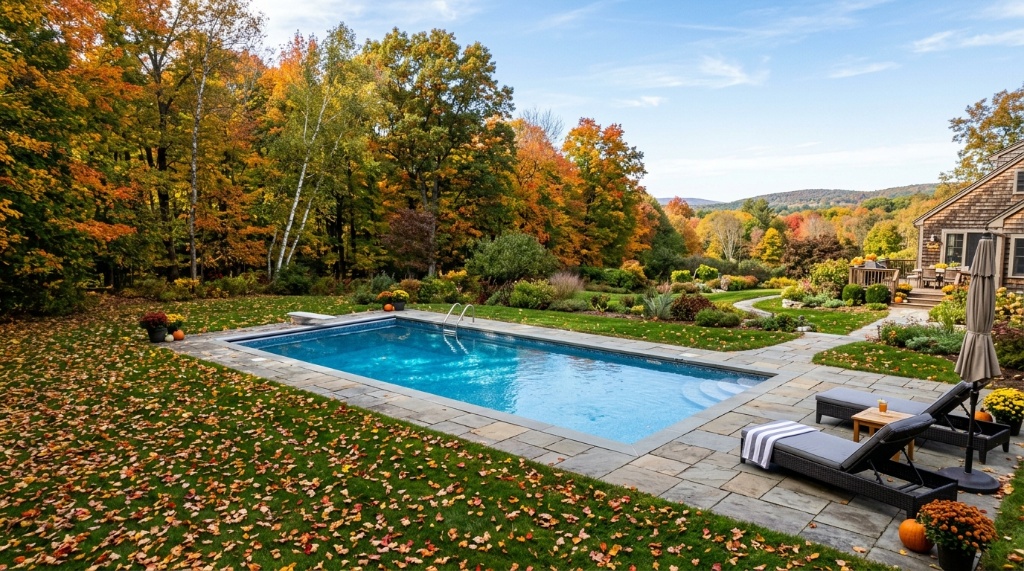
The first hard freeze often arrives overnight, and a pool that was perfectly balanced in September can suffer thousands of dollars in damage by morning. Closing a pool correctly is not about covering it and walking away — it is about protecting plumbing, surfaces, and equipment from expanding ice. Debris removal matters more than most owners realize, which is why many people rely on top-rated cordless robotic pool cleaners for home pools to clear leaves before the cover goes on. This guide covers a practical, freeze-ready closing process from start to finish.
Quick Answer
To prepare a pool for fall and freezing temperatures, clean all debris, balance the water chemistry, lower the water to the recommended level, blow out and plug the plumbing lines, winterize or remove equipment, add winterizing chemicals, and install a proper cover. The two most damaging mistakes are leaving water in exposed pipes and closing with organic debris still in the pool. In-ground and above-ground pools follow similar steps but differ in water level and equipment handling.
Key Takeaways
- Water left inside pipes, skimmers, or heaters is the leading cause of freeze damage because ice expands and cracks plumbing and equipment housings.
- Close the pool only after water temperature drops consistently below about 65°F (18°C); warmer water accelerates algae growth under a cover.
- Balance pH, alkalinity, calcium hardness, and add a winterizing chemical kit before covering — not after.
- In-ground pools are typically lowered below the skimmer, while above-ground pools are usually drained below the skimmer and return fittings.
- Never fully drain an in-ground pool unless a professional is involved; hydrostatic pressure can lift or crack the shell.
When Should You Actually Close the Pool?
Close when the water temperature stays below roughly 65°F (18°C) but before the first hard freeze. That temperature range is the practical trigger — not a calendar date. Warm water plus a cover creates a greenhouse effect that feeds algae, while waiting too long risks ice forming in lines before you have blown them out.
A useful rule: test the water temperature in the morning for several consecutive days. Once it is consistently in the low 60s, schedule your closing weekend. If you live in a region where the pool stays open year-round, you are winterizing equipment rather than closing the pool, and the priorities shift toward freeze protection and reduced circulation time., While closing down your pool for the season is a great way to save money on maintenance, if you live further south or manage properties in different regions, you might also want to check out the cost of pool cleaning services in miami for year-round maintenance comparisons.
Step-by-Step Pool Closing Process
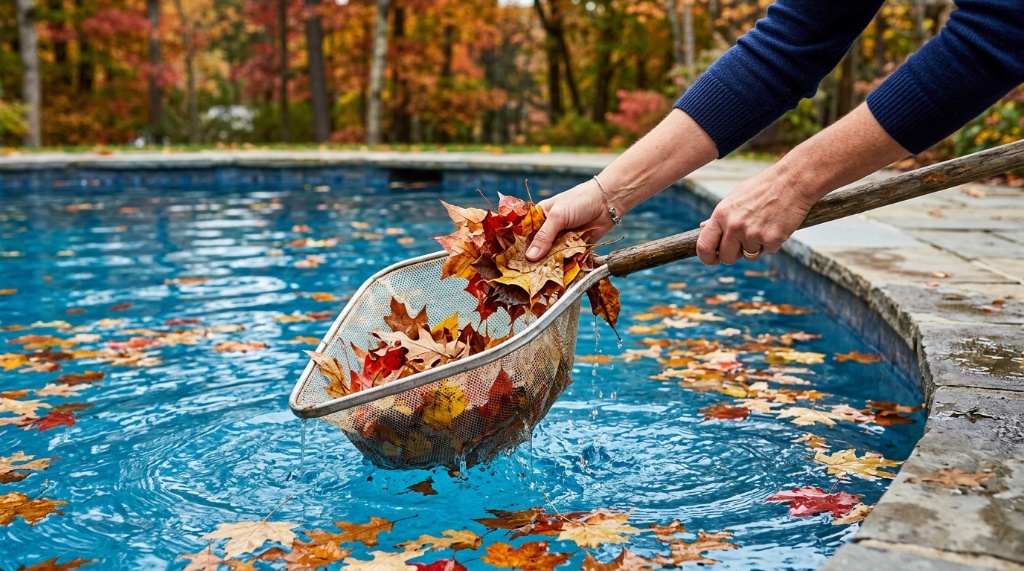
- Clean the pool thoroughly. Remove leaves, dirt, and organic matter from the water, floor, walls, and skimmer baskets. Debris left under a cover decomposes and consumes chlorine, which encourages staining and algae.
- Balance the water. Aim for pH around 7.4–7.6, total alkalinity around 80–120 ppm (check your pool type for exact targets), and appropriate calcium hardness for your surface.
- Shock and add winter chemicals. Use a winterizing kit matched to your pool size, plus an algaecide labeled for winter use.
- Lower the water level. In-ground: below the skimmer but above the returns. Above-ground: below the skimmer and return fittings.
- Blow out the lines. Use a blower or shop vac to push water out of skimmer, return, and heater lines, then plug them immediately.
- Winterize equipment. Drain pumps, filters, heaters, and chlorinators; store removable parts indoors if the manufacturer recommends it.
- Install the cover. Secure it tightly and check that it does not sag into standing water, which can pull the cover down and damage it.
In-Ground vs. Above-Ground Pools: Key Differences
The closing steps overlap, but the water-level and equipment rules differ enough to matter. Getting this wrong is a common source of cracked skimmers and collapsed walls.
| Factor | In-Ground Pool | Above-Ground Pool |
|---|---|---|
| Water level | Below skimmer, above returns | Below skimmer and return fittings |
| Full draining | Never without professional guidance | Generally also avoided; liner can shift |
| Equipment | Often left in place if drained and protected | Pump and filter frequently stored indoors |
| Cover type | Solid, mesh, or safety cover | Above-ground winter cover with cable winch |
| Freeze risk | Plumbing buried below frost line is safer | Exposed plumbing and walls are more vulnerable |
How to Remove Fall Debris Before Closing
Debris removal is the most overlooked part of winterizing. Leaves and silt that sit under a cover for months break down into organic waste, staining plaster and feeding algae blooms that greet you in spring. Skimming and vacuuming before closing saves far more work than any chemical you can add later.
A cordless robotic cleaner is particularly useful in fall because it runs independently of the pool’s circulation system, which is often the first thing you shut down. It can be dropped in, run through a full cleaning cycle, and removed before you lower the water and blow out the lines. If you are comparing models for this job, look at runtime, debris capacity, and whether the unit handles fine silt as well as leaves.
Manual vs. Robotic Fall Cleanup
Manual vacuuming requires the pump running and a hose connected to the skimmer, which is inconvenient once you start draining lines. A robotic cleaner works on its own, which makes it the better fit for a late-season deep clean. The trade-off is cost and the need to charge it — but for pools with heavy leaf load, it usually pays for itself in time saved.
Chemistry and Freeze Protection Essentials
Water chemistry and physical freeze protection solve different problems, and you need both. Chemistry prevents algae and staining during months of inactivity. Physical protection prevents ice from cracking pipes, skimmers, and equipment.
- Winter algaecide: Copper-based or polymer formulas designed for long-term storage, not the standard weekly algaecide.
- Chlorine or shock: Raise chlorine to shock level before closing; it dissipates slowly under a cover.
- Antifreeze for pools: Only pool-specific, non-toxic propylene glycol antifreeze in blow-out lines — never automotive antifreeze.
- Gizmo or skimmer plug: A compressible device inside the skimmer absorbs ice expansion instead of cracking the housing.
- Air pillows: Float them under the cover in above-ground pools to absorb ice pressure against the walls.
Common Mistakes That Cause Freeze Damage
Most winter pool damage traces back to a short list of avoidable errors. Watch for these specifically:
- Leaving water in lines. Even a small amount can crack a fitting when it freezes.
- Closing with a dirty pool. Organic debris under a cover creates stains and consumes sanitizer.
- Draining an in-ground pool completely. Hydrostatic pressure can lift the shell out of the ground.
- Using the wrong antifreeze. Automotive antifreeze is toxic and not formulated for pool systems.
- Ignoring the heater. Heaters trap water and must be drained and blown out separately.
- Covering too early. Warm water plus a cover means algae growth before winter even starts.
How Cold Is Too Cold for Your Equipment?
Most pool pumps and filters are not designed to operate below freezing, and manufacturers generally advise draining them before the first hard freeze. As a general guideline, unprotected water in exposed pipes begins to freeze as temperatures approach and drop below 32°F (0°C). Buried plumbing below the local frost line is usually safe, but above-ground plumbing and equipment pads are not.
If you keep the pool open through winter, a freeze-protection mode on the pump controller can circulate water during cold snaps. This reduces but does not eliminate risk during extended hard freezes, and it should not replace proper winterizing in cold climates.
Frequently Asked Questions
Can I close my pool before the water temperature drops below 65°F?
You can, but it is not ideal. Warm water under a cover encourages algae growth and consumes sanitizer faster. Wait until the water is consistently in the low 60s for the best results.
Do I need to drain my above-ground pool completely for winter?
No. Draining completely can cause the liner to shift or wrinkle. Lower the water below the skimmer and return fittings, then use a winter cover with air pillows to handle ice expansion.
Is pool antifreeze necessary if I blow out the lines properly?
Blowing out lines removes most water, but a small amount can remain in low spots. Pool-specific antifreeze adds a safety margin, especially in colder climates with deep frost lines.
What happens if I leave debris in the pool over winter?
Organic debris breaks down and stains the surface, consumes chlorine, and feeds algae. It also makes spring opening significantly harder and usually requires extra shock and brushing.
Should I run a robotic cleaner after lowering the water level?
No. Run the cleaner before you begin lowering the water. Most robotic cleaners need sufficient water depth to operate, and running them in shallow water can damage the unit.
How do I protect a pool heater from freezing?
Drain the heater completely, blow out the water lines connected to it, and follow the manufacturer’s winterizing instructions. Heaters trap water in internal chambers and are a common source of freeze damage.
Conclusion
Preparing a pool for freezing temperatures comes down to two things: remove everything that should not sit under a cover for months, and remove every drop of water that could freeze inside plumbing or equipment. Clean thoroughly, balance the chemistry, lower the water, blow out the lines, and protect the equipment. Do that, and spring opening becomes a simple cleanup rather than a repair job.
Focus Keyphrase: how to prepare your pool for fall and freezing temperatures
Meta Description: Learn how to prepare your pool for fall and freezing temperatures with a step-by-step winterizing process, chemistry tips, and freeze-damage prevention advice.