
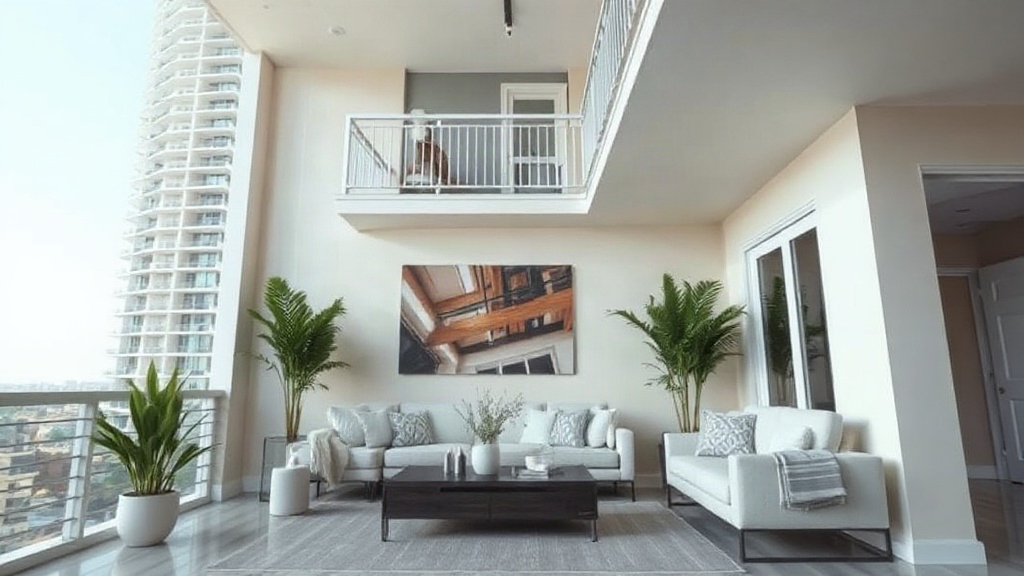
Buying an older condo in Miami pros and cons usually comes down to one tense trade-off: a lower price and a bigger floor plan versus maintenance risk and dated systems. You have seen the listings — the 1970s building near the water, priced far below the new tower next door. Is that a smart entry point or a trap?
Quick answer: Older Miami condos can deliver more space, better locations, and lower sticker prices, but you pay for that with reserves, insurance costs, and renovation work. The winning move is to inspect the building’s finances and structural history before you fall for the unit itself.
This article walks through what makes older buildings different, how to weigh the trade-offs honestly, and the specific mistakes that cost buyers the most in this market.
What is Buying an older condo in Miami pros and cons?
This phrase describes a specific decision: comparing the risks and rewards of purchasing an established condo building, typically built before the 2000s, against newer construction in the same market. Miami makes the comparison sharper than most cities because of three forces — hurricane exposure, a hard insurance market, and strict recertification rules for older buildings.
The “pros” side of that ledger usually looks like this:
- More square footage per dollar. A 1980s two-bedroom often beats a new one-bedroom at the same price.
- Established locations. Older buildings sit in walkable, built-up neighborhoods where new land is scarce.
- Concrete construction. Many mid-century Miami buildings use poured concrete, which behaves well in storms.
- Visible track record. You can see how a building has weathered decades of rainy seasons.
The “cons” side is equally concrete:
- Deferred maintenance. Roofs, elevators, plumbing stacks, and seawalls age on a schedule.
- Insurance premiums. Older buildings often face higher premiums, and those costs land in your HOA dues.
- Milestone inspections. Miami-Dade and Broward require structural recertification at 25 or 30 years, and again every 10 years after. Findings can trigger special assessments.
- Dated interiors. Popcorn ceilings and original kitchens are common, and renovation costs add up fast.
Consider a simple example. Two units, same block, same view. The 1974 building lists at a lower price with $800 monthly dues; the 2019 tower lists higher with $500 monthly dues. Over ten years, that gap reverses direction unless the older building’s reserves are healthy. This is why the pros and cons never live in the unit alone.
In Miami, the HOA budget tells you more about future costs than the listing photos ever will. Read it before you tour the unit.
The takeaway: treat the building as the purchase and the unit as the bonus.
One practical shortcut: compare buildings by cost per square foot of usable space, not by listing price alone. A dated two-bedroom with a real dining area can beat a newer layout that trades square footage for a balcony. Measure what you actually get, then decide whether the discount is real.
Why Buying an older condo in Miami pros and cons matters
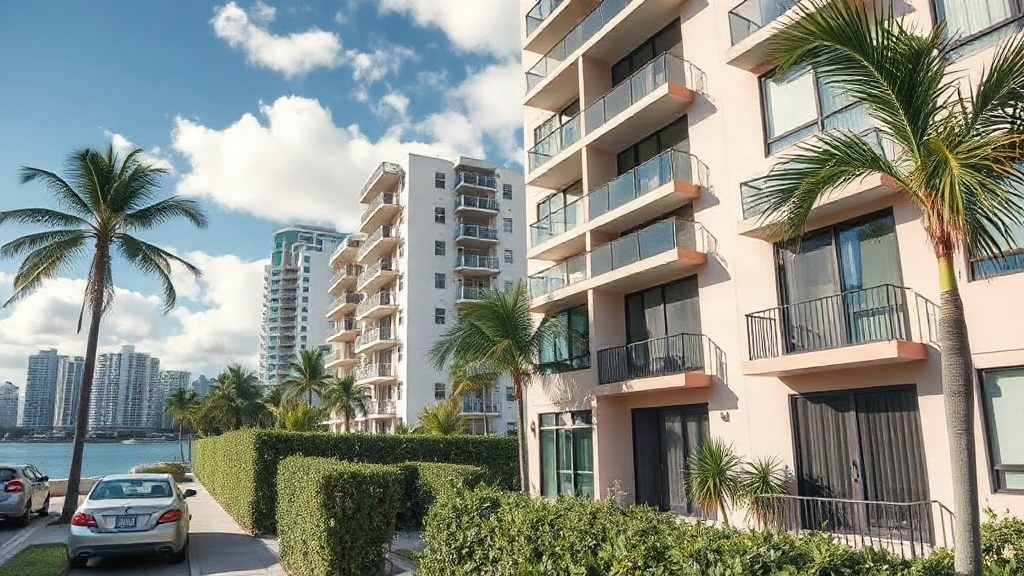
Getting this comparison wrong is expensive in a way that a slow market punishes buyers for. When prices soften, well-run older buildings hold value and poorly run ones stall. Buyers who skipped the reserve study discover the difference at closing, or later, when a special assessment arrives.
Miami adds three local pressures that do not exist in most U.S. cities. First, windstorm insurance. After recent hurricane seasons, carriers have tightened requirements and raised rates, and older roofs and windows draw scrutiny. Second, the milestone inspection law following the Surfside collapse. Buildings now face mandated structural reviews, and repairs can run into six figures per building. Third, sea-level rise and drainage. Low-lying neighborhoods flood more often than they did twenty years ago, and that affects both insurance and resale.
A dollar figure makes the stakes clear. Suppose a building has 40 units and needs a $2 million roof and facade project. That is $50,000 per unit, payable whether or not you budgeted for it. Buyers who reviewed minutes and reserve balances saw it coming. Buyers who trusted a low HOA fee did not.
Resale matters just as much. Lenders increasingly decline to finance condos in buildings with weak reserves or high percentages of non-owner-occupied units. If a future buyer cannot get a mortgage, your pool of buyers shrinks to cash offers. That is a pricing problem you inherit the day you buy.
The takeaway: the pros and cons are not abstract. They show up as insurance bills, assessment notices, and mortgage approvals.
Timing compounds the stakes in a way buyers underestimate. A 40-year-old building may sit years away from its next milestone cycle, while a building that just passed the 40-year mark could face another round in a decade — possibly during your ownership. Knowing where a property sits in that cycle tells you whether you are buying before the bills or after them. Local knowledge also shifts block by block. Two buildings a few streets apart can carry very different flood exposure, insurance quotes, and lender appetite, so a market-wide average tells you little. Compare the specific address against its immediate neighbors before you trust any general rule about older construction.
Best practices
Approach an older Miami condo the way you would approach a used boat: the survey matters more than the paint. These steps separate a good buy from an expensive lesson.
Put the whole package in front of a Florida real estate attorney before the review period closes, not after. Ask the association’s manager directly, in writing, which projects are scheduled, how each will be funded, and whether any owner has requested a payment plan. Written answers create a record you can rely on if the numbers later change.
Read the financial documents before the unit
Request the last two years of budgets, the reserve study, HOA meeting minutes, and the most recent structural inspection report. Look for a reserve balance that covers near-term projects. Minutes reveal what owners argue about, and arguments about money are the most revealing.
Bring an inspector who knows coastal buildings
A general inspection is not enough. Ask for an inspector experienced with concrete restoration, impact windows, and plumbing stacks. On a 1970s building, cast-iron drains and aluminum wiring are worth flagging early.
Price the renovation honestly
Assume a full kitchen and bath refresh runs into five figures in Miami, and impact windows add more. Build those numbers into your offer instead of discovering them after closing. A dated unit at a discount can still be a fine purchase — just make the math explicit.
Check insurance from both sides
Get quotes for a unit owner’s policy, including contents and loss assessment coverage. Ask the association’s manager what the master policy excludes. Wind and flood coverage gaps are common, and they change your true monthly cost.
Verify rental rules and occupancy
Older buildings often cap rentals or ban short-term stays. If rental income is part of your plan, confirm the rules in writing. Also check how many units are owner-occupied, since lender guidelines often require a healthy owner-occupancy share.
Comparison: older condo vs. new construction
| Factor | Older condo | New construction |
|---|---|---|
| Price per square foot | Usually lower | Usually higher |
| Monthly HOA dues | Varies widely | Often high at first |
| Maintenance surprises | Higher risk | Warranty protection |
| Location | Established, walkable | Often fringe areas |
| Insurance clarity | Needs scrutiny | Easier to quote |
Notice that the newer building wins on predictability while the older one wins on price and location. Neither column is automatically the right choice.
The takeaway: due diligence on the building is the single highest-return hour you will spend.
Common mistakes to avoid
Most bad outcomes trace back to a handful of repeated errors. Here are the ones that cost Miami buyers the most.
Falling for a low HOA fee. Dues that seem suspiciously cheap often mean reserves are underfunded. The gap becomes a special assessment later. A slightly higher fee with a funded reserve plan is the safer signal.
Skipping the minutes. Meeting records show whether the board discusses roof replacements and drainage repairs or ignores them. Twenty minutes with the minutes can save you from a six-figure surprise.
Trusting an inspection that ignores the building. Unit-level inspections miss shared systems. Ask separately about the elevator age, roof condition, and plumbing material.
Ignoring the milestone report. If the building has had its structural inspection, read the findings and the board’s response plan. An unaddressed report is a warning, not paperwork.
Buying for rental income without checking caps. Associations can tighten rental rules, and a cap that fills up puts you on a waiting list. Confirm the current policy and how easily it can change.
Overlooking flood zone and elevation. A unit in a low-lying area can carry flood insurance costs that rival the mortgage interest. Check the flood zone before you make an offer.
Never waive the document review period to win a bidding war. That clause exists to protect you, and waiving it transfers unknown repair costs onto your balance sheet.
The takeaway: each mistake is avoidable with one question asked before signing.
One quieter error is shopping the unit before the building. Buyers tour a sunny corner layout, imagine their furniture in it, and only then ask about reserves — by which point emotional attachment has already skewed their math. Reverse the order. Pull the budget, reserve study, and inspection report first, and only walk through units in buildings that survive that screen. Another is assuming a recently renovated lobby signals a healthy association. Cosmetic upgrades are sometimes funded by dipping into reserves that were earmarked for the roof or the elevator. Ask what was spent, from which account, and what got postponed to pay for it.
FAQ
Are older Miami condos cheaper to buy overall?
They usually have a lower purchase price per square foot, but the total cost of ownership can match or exceed a newer unit. Higher dues, insurance, and renovation expenses narrow the gap quickly. Compare ten-year costs, not just the listing price.
How much should I budget for special assessments?
There is no fixed number, but a healthy reserve study will show upcoming projects with estimated costs. Ask the board for the per-unit share of any planned work. If a major project is scheduled and unfunded, treat that amount as part of your offer price.
Can I get a mortgage on an older condo building?
Often yes, but lenders review building health closely. Weak reserves, high rental percentages, or unresolved structural findings can disqualify a building from conventional financing. Confirm lender approval before paying for inspections.
How do I know if the building is well managed?
Read the minutes, the reserve study, and the current budget. Look for a funded reserve plan and recent completed repairs. A board that documents decisions and plans ahead is the best sign you will find.
Conclusion
Older Miami condos reward buyers who look past the unit and study the building. You get space, location, and price advantages, but you accept insurance costs, maintenance risk, and recertification obligations. The deciding factor is almost always the association’s financial health, not the countertops. Read the reserves, the minutes, and the structural reports before you commit. Then hire a coastal-savvy inspector and price the renovation honestly. If you want a clear next step, request the full document package from the listing agent this week and review it with a local real estate attorney before you tour anything.