

A workshop safety gear checklist works best when you build it around four entry points: eyes, ears, hands and lungs. Most injuries in a home or professional shop start with one of those four routes, and a simple routine closes them before the first cut. You do not need a wall of equipment. You need the right gear, kept clean, close at hand, and matched to the job in front of you. If you want to compare tools and equipment in more detail, you can learn more before you shop.
Quick answer: Keep four categories of protection ready: safety glasses or a face shield, hearing protection, gloves suited to the task, and a respirator or dust mask for airborne hazards. Check the gear before every session, replace anything cracked, fogged or worn, and match the protection to the specific tool and material.
What is workshop safety gear checklist?
A workshop safety gear checklist is a short, repeatable list you run through before and during shop work to confirm your eyes, ears, hands and lungs are protected. It is less a shopping list and more a habit: a set of checks that keeps protection in place rather than in a drawer. The four categories cover the senses and body parts most exposed to shop hazards.
Eyes. Safety glasses with side shields handle most sawdust, chips and small flying debris. A full face shield adds coverage for grinding, cutting and any task that throws sparks or larger fragments. Glasses and a shield often work together, not as substitutes.
Ears. Hearing damage builds quietly over years. Foam plugs, reusable plugs or earmuffs each reduce noise, and the right choice depends on how loud the tool is and how long you run it. Many shop tools sit in a range where unprotected exposure adds up.
Hands. Gloves protect against cuts, abrasion, heat and chemical contact, but the wrong glove creates its own hazard. Loose fabric near a spinning chuck or blade is dangerous. Cut-resistant gloves suit handling sharp stock; nitrile gloves suit solvents and finishes; bare hands are often safer around drill presses and lathes.
Lungs. Dust from wood, drywall and masonry, fumes from finishes and adhesives, and metal particles from grinding all travel into the airway. A dust mask handles coarse sawdust; a fitted respirator with the right cartridge handles fine dust and chemical vapors.
A glove that protects you at the workbench can endanger you at the drill press. Match every item to the tool, not just to the room.
Takeaway: treat eyes, ears, hands and lungs as four separate checks with four different answers for different jobs.
Why workshop safety gear checklist matters
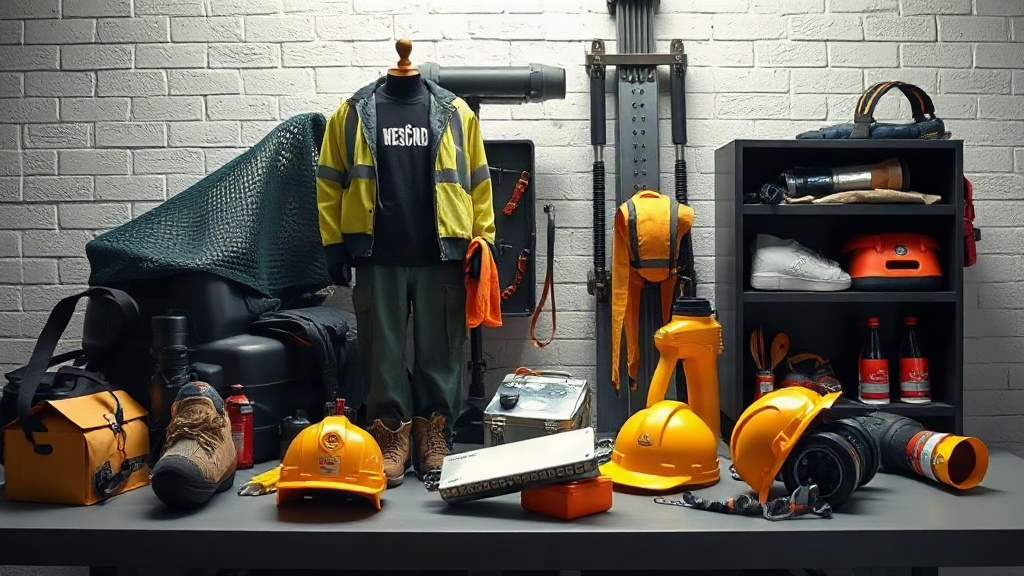
Most shop injuries are predictable, and that makes them preventable. A checklist works because it removes the moment of judgment when you are tired, rushed or distracted — the moment you skip the glasses because the cut is “just one board.” That one board is how most eye injuries happen.
Hearing loss deserves separate attention because it is permanent and gradual. You will not notice damage after a single loud session. You notice it years later, when background noise becomes hard to follow. Consistent protection is the only realistic defense, and consistency depends on gear being within arm’s reach.
Hand injuries follow a similar pattern. Cuts from sharp stock, burns from hot metal and irritation from solvents all happen in seconds but heal over weeks. Matching the glove to the task prevents most of them. The same logic applies to powered tools: if you are comparing a bench grinder, an angle grinder or a cutoff tool, it helps to understand the different types of grinders and what each one throws at you, because sparks, grit and noise vary widely by machine.
Respiratory risk is the least visible. Fine dust stays airborne long after the tool stops, and solvent fumes can build in a closed shop. Protection needs to be worn during the task and, for dust, sometimes for a while afterward.
A checklist also saves money in a practical way. Replacing a scratched lens or a clogged filter costs far less than a clinic visit, and keeping gear organized means you buy replacements once instead of losing and rebuying.
Takeaway: the checklist matters because it replaces in-the-moment decisions with a fixed routine that protects you on your worst, most rushed day.
Best practices
Good practice comes down to fit, placement and routine. Build these habits and the checklist becomes automatic.
Fit the gear before you need it
Adjust the headband on your face shield, test the seal on your respirator and confirm your gloves let you grip and feel controls. Gear that pinches or slips gets removed mid-task, which is worse than no routine at all.
Stage protection where the work happens
Keep glasses on the bench, not in a drawer. Hang earmuffs on the tool they belong to. A mask stored across the shop will not be worn. Proximity beats good intentions.
Inspect before every session
Run a fast visual pass: cracked lenses, stretched straps, torn gloves, dented filters or a respirator seal that no longer holds. Replace damaged gear immediately rather than working around it.
Match the protection to the hazard
| Hazard | Minimum protection |
|---|---|
| Sawdust and small chips | Safety glasses with side shields |
| Grinding sparks and grit | Face shield plus glasses |
| Sustained loud tool use | Foam plugs or earmuffs |
| Sharp stock and glass | Cut-resistant gloves |
| Solvents and finishes | Nitrile gloves plus ventilation |
| Fine dust and fumes | Fitted respirator with correct cartridge |
Keep a small stock of spares
A few spare pairs of plugs, a backup pair of glasses and one spare filter cartridge keep the routine from breaking when something wears out mid-project.
Takeaway: fit, placement and inspection turn a checklist into a habit; damaged gear should leave the shop, not get a second chance.
Common mistakes to avoid
The most frequent errors are small and easy to fix once you recognize them.
Wearing gloves at spinning tools. Loose fabric can catch in a drill press, lathe or bench grinder. Remove gloves for rotating equipment unless the glove is specifically rated for it.
Treating safety glasses as optional for “quick” jobs. Most eye injuries happen during short, unplanned cuts. Put glasses on before you pick up the tool, not after.
Skipping hearing protection for short bursts. Several short loud sessions add up. Plugs take seconds to insert, so there is rarely a good reason to skip them.
Reusing a disposable mask until it is visibly clogged. A loaded filter makes breathing harder and pushes you to remove it. Replace disposables regularly and follow the manufacturer’s guidance on cartridges.
Storing a respirator in a dusty cabinet. Dust inside the mask defeats the seal. Store it in a sealed bag away from the work area.
Ignoring ventilation. A mask helps, but open doors, fans, and dust collection reduce exposure at the source. Combine both.
Buying gear once and never revisiting it. Your work changes, and so do your hazards. Recheck the checklist whenever you add a tool or a new material.
Solvent fumes near grinding sparks can ignite. Keep finishes sealed and stored away from hot work, and ventilate before you start.
Takeaway: avoid the glove-at-the-lathe trap and the quick-job shortcut; those two alone account for a large share of avoidable injuries.
FAQ
How much should I budget for basic workshop safety gear?
A starter kit of safety glasses, foam plugs, a few pairs of gloves and a dust mask costs relatively little and covers most home shop work. Add a fitted respirator and face shield as your projects grow. Buy quality on the items you wear every session.
How often should I replace safety glasses and respirator filters?
Replace glasses when lenses are scratched, cracked or badly fogged, since scratches impair vision. Swap respirator cartridges per the manufacturer’s schedule or when breathing resistance rises. Disposable masks should go as soon as they get damp or clogged.
Can I wear regular eyeglasses instead of safety glasses?
No. Regular glasses lack impact-rated lenses and side shields, so debris reaches your eyes from the sides and top. Wear safety glasses over your prescription frames or invest in prescription safety eyewear.
Do I need hearing protection for a single short cut?
For a brief, quiet cut, earmuffs may be overkill. For loud tools like routers, planers or grinders, even short sessions are worth protecting. Keep plugs within reach so the decision takes seconds.
Is a dust mask enough for solvent fumes?
No. A particulate mask traps dust but not chemical vapors. Solvent work needs ventilation and, where exposure is significant, a respirator with the correct vapor cartridge.
Conclusion
A workshop safety gear checklist is four simple checks you repeat until they become habit: eyes, ears, hands and lungs. Fit your gear, stage it where you work, inspect it every session, and match each item to the actual hazard rather than the room. Avoid gloves at spinning tools, skip nothing because a job is short, and replace damaged equipment without debating it. Your next step is small and concrete: lay out your four categories on the bench today, note what is missing, and restock before your next project begins.