

Drain gnats, those tiny pests buzzing around your kitchen sink, can be a frustrating nuisance. These small flies, often called drain flies or moth flies, thrive in moist, organic-rich environments like kitchen drains. Fortunately, you can take simple, effective steps to prevent and eliminate them. At Healthy House Plans, we believe a clean, pest-free home starts with practical solutions. This guide will walk you through proven methods to stop drain gnats from invading your kitchen and keep your sink fresh.
Understanding Drain Gnats and Their Attraction to Kitchen Sinks
Drain gnats are small, fuzzy flies that breed in damp, organic material. Kitchen sinks, with food scraps, grease, and moisture, create a perfect breeding ground. These pests lay eggs in the slimy buildup inside drains, and larvae emerge within days. Knowing why they’re drawn to your sink is the first step to getting rid of them. Regular cleaning and maintenance can break their life cycle and keep your kitchen pest-free.
To effectively tackle this issue, consider learning how to get rid of drain gnats with targeted cleaning techniques. By addressing the root cause—organic buildup—you can stop these pests from returning. The following sections outline practical steps to clean your drains, prevent infestations, and maintain a gnat-free kitchen.
Clean Your Kitchen Sink and Drain Regularly
The most effective way to prevent drain gnats is to keep your sink and drain clean. Organic matter like food particles, grease, and soap scum attracts gnats. Regular cleaning removes their breeding ground. Here’s how to do it:
- Flush with Hot Water: Pour boiling water down the drain daily to loosen debris and kill larvae. This simple step disrupts the gnat life cycle.
- Use a Brush: Scrub the drain opening with a small brush or old toothbrush to remove buildup. Focus on the edges where slime accumulates.
- Baking Soda and Vinegar: Pour half a cup of baking soda into the drain, followed by a cup of white vinegar. Let it fizz for 15 minutes, then flush with hot water. This breaks down organic matter.
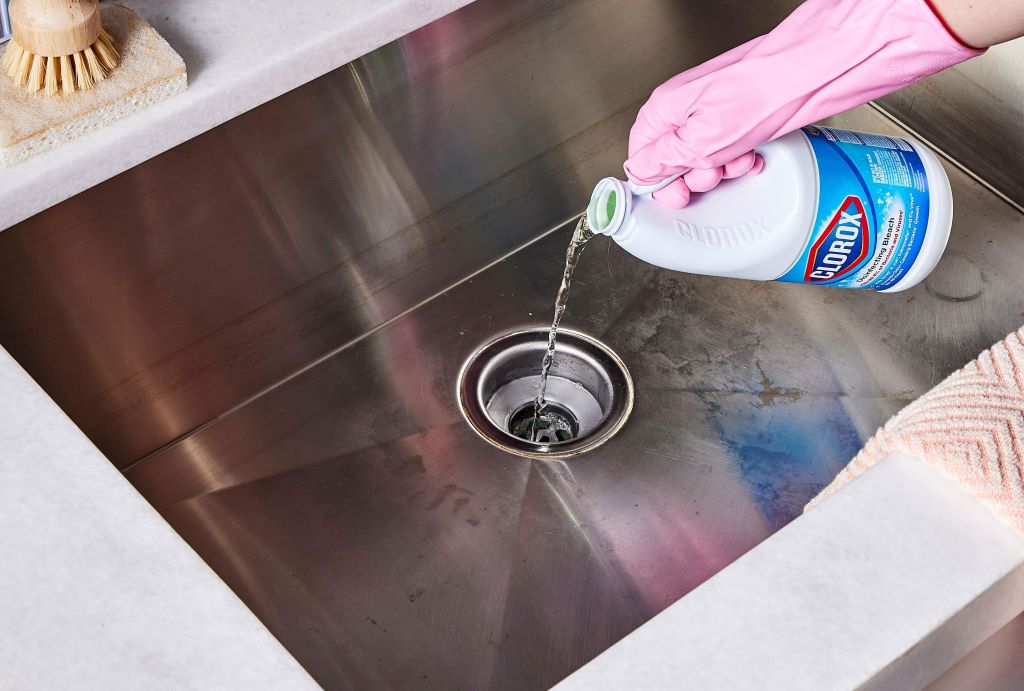
- Avoid Harsh Chemicals: Bleach may seem effective, but it doesn’t always remove the organic film gnats need to breed. Stick to natural solutions for better results.
Cleaning your drain weekly prevents buildup and keeps gnats at bay. For more tips, the EPA’s guide on household pest management offers safe, eco-friendly cleaning advice.
Eliminate Standing Water and Moisture
Drain gnats thrive in moist environments. Standing water in or around your sink invites them to settle in. To reduce moisture:
- Fix Leaks Promptly: Check for leaks under the sink or around pipes. Even small drips create a damp environment gnats love. A plumber can help with persistent leaks.
- Dry the Sink Area: Wipe down the sink and surrounding counter after use. Use a dry cloth to prevent water from pooling.
- Run the Garbage Disposal: If you have a garbage disposal, run it regularly with cold water to clear food scraps. Follow with hot water to flush out residue.
By keeping your sink area dry, you make it less inviting for gnats. These steps also improve overall kitchen hygiene.
Use Traps to Catch Existing Gnats
If gnats are already buzzing around, traps can reduce their numbers while you address the source. Homemade traps are simple and effective. Try these:
- Apple Cider Vinegar Trap: Fill a small bowl with apple cider vinegar, add a drop of dish soap, and cover with plastic wrap. Poke small holes in the wrap. Gnats are attracted to the vinegar, get trapped, and drown.
- Wine Trap: Place a small amount of red wine in a jar with a narrow opening. Gnats will enter but struggle to escape.
- Sticky Traps: Place yellow sticky traps near the sink. Gnats are drawn to the color and get stuck.
Traps work best alongside cleaning efforts. They catch adult gnats but won’t stop breeding unless you clean the drain.
Maintain Your Kitchen to Prevent Future Infestations
Prevention is easier than dealing with a full-blown gnat problem. Incorporate these habits into your routine:
- Clean Dishes Immediately: Don’t let dirty dishes sit in the sink. Food scraps attract gnats and add to drain buildup.
- Empty Trash Regularly: Take out the kitchen trash frequently, especially if it contains food waste. Use a sealed trash can to limit gnat access.
- Inspect Produce: Check fruits and vegetables for signs of rot before storing them. Gnats are drawn to overripe produce, which can contribute to infestations.
- Cover Drains at Night: Use a drain cover or stopper when the sink isn’t in use. This prevents gnats from entering or laying eggs.
Consistency is key. These small changes make your kitchen less appealing to drain gnats over time.
When to Call a Professional
Sometimes, drain gnats persist despite your efforts. If you’ve cleaned thoroughly and used traps but still see gnats, the problem may lie deeper in your plumbing. A professional plumber can inspect your pipes for hidden blockages or leaks. Persistent infestations may also point to issues like a cracked pipe or sewer backup, which require expert attention. Websites like This Old House offer guidance on when to call a plumber for drain issues.
Natural Repellents to Deter Drain Gnats
In addition to cleaning, natural repellents can discourage gnats from lingering. These are safe for your kitchen and family:
- Essential Oils: Add a few drops of peppermint or eucalyptus oil to a spray bottle with water. Mist around the sink to repel gnats. The strong scent disrupts their attraction.
- Citrus Peels: Place lemon or orange peels near the drain. Gnats dislike citrus scents, and this adds a fresh aroma to your kitchen.
- Herb Sachets: Hang small bags of dried lavender or rosemary near the sink. These herbs naturally deter pests.
Use repellents as a complement to cleaning, not a replacement. They help maintain a gnat-free environment after you’ve eliminated the source.
Conclusion
Preventing drain gnats in your kitchen sink is straightforward with the right approach. Regular cleaning with hot water, baking soda, and vinegar removes their breeding ground. Eliminating standing water and using traps catches existing gnats. Long-term habits like washing dishes promptly and covering drains keep infestations at bay. If problems persist, a plumber can address deeper issues. By following these steps, you’ll enjoy a clean, pest-free kitchen. Stay proactive, and drain gnats won’t stand a chance.
Frequently Asked Questions
- What causes drain gnats in the kitchen sink?
Drain gnats are attracted to organic buildup like food scraps, grease, and moisture in drains. Regular cleaning prevents their breeding.
- Are drain gnats harmful?
Drain gnats are not harmful but can be a nuisance. They don’t bite or spread disease, but their presence indicates a hygiene issue.
- How often should I clean my kitchen drain?
Clean your drain weekly with hot water, baking soda, and vinegar to prevent gnat infestations and maintain hygiene.
- Can I use bleach to get rid of drain gnats?
Bleach may kill some gnats but doesn’t remove organic buildup effectively. Natural solutions like vinegar and baking soda work better.
- How long does it take to get rid of drain gnats?
With consistent cleaning and traps, you can eliminate drain gnats in a few days to a week, depending on the infestation’s severity.
Read More:
White Oak Range Hood Miami : Transform Your Kitchen
Smart Kitchen Appliances You’ll Wonder How You Lived Without