

Homeowners often experience mysterious clicking, popping, and crackling sounds coming from their roofs, especially during temperature changes. These noises can be concerning and disruptive, particularly at night when the house is quiet. Understanding the root causes of these sounds is essential for maintaining your home’s structural integrity and your peace of mind. Professional roofing experts like Roof Master Construction frequently encounter these issues and can provide valuable insights into why your roof makes these mysterious sounds.
Most roof clicking sounds are actually normal occurrences related to thermal expansion and contraction. However, some noises may indicate underlying problems that require attention. The materials used in your roof, the installation quality, and environmental factors all play crucial roles in determining when and why these sounds occur. Metal roof crackling and popping represents one of the most common complaints homeowners have about their roofing systems.
Additionally, the age of your roof significantly impacts the frequency and intensity of these sounds. Newer roofs may produce different noises compared to older installations as materials settle and adjust to their environment.
Thermal Expansion and Contraction
The primary cause of roof clicking sounds stems from thermal expansion and contraction of roofing materials. During the day, intense sunlight heats your roof materials, causing them to expand. Conversely, nighttime cooling causes these same materials to contract back to their original size.
Metal roofing materials are particularly susceptible to this phenomenon due to their high thermal conductivity. When metal panels expand and contract, they can create distinctive popping and crackling sounds as they move against fasteners, underlayment, or adjacent panels. This movement is completely normal and rarely indicates structural problems.
However, the intensity of these sounds can vary based on several factors. The color of your roof affects heat absorption, with darker colors experiencing more dramatic temperature swings. Furthermore, the thickness and quality of roofing materials influence how much expansion and contraction occurs.
Loose or Improperly Installed Fasteners
Inadequate fastening represents another significant source of roof clicking sounds. When screws, nails, or clips become loose over time, roofing materials gain extra freedom of movement. This increased mobility amplifies the sounds produced during thermal expansion cycles.
Poor installation practices can exacerbate this problem. Fasteners that are over-tightened may eventually loosen due to repeated stress cycles. Conversely, under-tightened fasteners fail to adequately secure roofing materials from the beginning. Professional installation following manufacturer specifications helps minimize these issues.
Weather conditions also affect fastener integrity. High winds, hail storms, and extreme temperature fluctuations can gradually loosen even properly installed fasteners. Regular roof inspections can identify loose fasteners before they create significant noise problems or compromise your roof’s weather resistance.
Structural Movement and Settling
Building settlement and structural movement contribute to mysterious roof noises. New construction often experiences settling as lumber dries and adjusts to its load-bearing role. This settling process can create various sounds, including clicks, pops, and creaks throughout the structure.
Older homes may experience different types of structural movement. Foundation settling, changes in soil conditions, or modifications to the building’s load distribution can all affect how roofing materials interact with the underlying structure. These movements typically occur gradually and may not indicate serious problems.
Seasonal changes in humidity levels cause wood framing members to expand and contract. This movement can transmit through the entire roof system, creating audible sounds as materials shift against each other. Understanding these natural processes helps homeowners distinguish between normal settling sounds and potential structural issues.
Weather-Related Factors
Various weather conditions significantly influence roof clicking sounds. Rapid temperature changes, such as those occurring during spring and fall transitions, intensify thermal expansion effects. Sudden temperature drops following hot days create the most dramatic material contraction, often resulting in loud popping sounds.
Wind patterns also play a crucial role in roof noise generation. Consistent wind pressure can cause slight flexing in roofing materials, while gusty conditions create intermittent stress that may produce clicking sounds. According to the National Weather Service, understanding local weather patterns helps homeowners anticipate when roof sounds are most likely to occur.
Humidity changes affect different roofing materials in various ways. Wood components absorb and release moisture, causing dimensional changes that can create audible movement. Metal components may develop condensation issues that affect their interaction with other materials.
Underlayment and Insulation Issues
Problems with roof underlayment and insulation systems can contribute to unwanted sounds. Inadequate or damaged underlayment fails to provide proper cushioning between roofing materials and the deck. This lack of cushioning allows direct contact between hard surfaces, amplifying any movement sounds.
Insufficient insulation creates greater temperature differentials between indoor and outdoor environments. These enhanced temperature swings increase the magnitude of thermal expansion and contraction cycles. Proper insulation helps moderate these temperature changes, reducing the intensity of related sounds.
Additionally, moisture infiltration can damage insulation materials, affecting their sound-dampening properties. Wet insulation loses its effectiveness and may even contribute to additional problems like mold growth or structural damage.
Age-Related Wear and Material Fatigue
Older roofing systems develop unique sound characteristics as materials age and experience wear. Repeated thermal cycling gradually affects material properties, potentially increasing flexibility or creating micro-fractures that alter how sounds are produced and transmitted.
Sealants and gaskets deteriorate over time, allowing increased movement between components. This additional movement freedom can create new sources of clicking and popping sounds. Regular maintenance and timely replacement of worn sealing materials help minimize age-related noise increases.
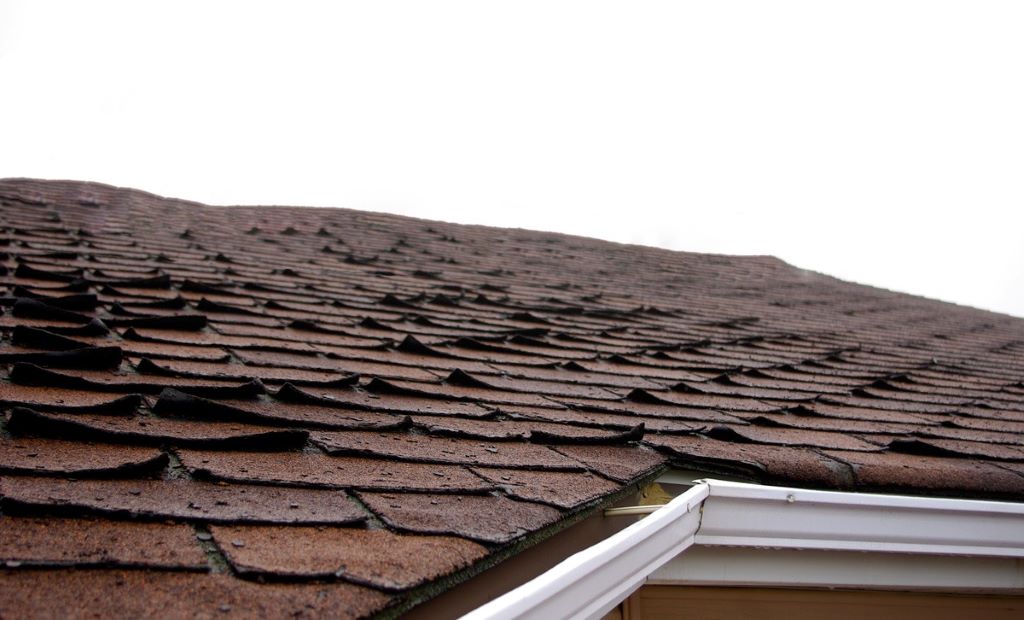
Material fatigue affects different roofing systems in various ways. Metal roofs may develop stress points that create characteristic sounds, while asphalt shingles might develop brittleness that changes their acoustic properties.
Solutions and Prevention Strategies
Addressing roof clicking sounds requires a systematic approach based on identifying the underlying cause. Professional roof inspections can determine whether sounds indicate normal thermal movement or require corrective action. Many clicking sounds are completely normal and require no intervention beyond homeowner education.
For cases requiring attention, solutions may include tightening loose fasteners, adding additional fastening points, or installing expansion joints to accommodate thermal movement. Sound dampening materials can be added during roof replacement or major renovation projects to minimize noise transmission.
Preventive measures include proper installation techniques, adequate insulation, and regular maintenance schedules. Choosing appropriate roofing materials for your climate and building design also helps minimize problematic sounds from the beginning.
Conclusion
Roof clicking sounds typically result from normal thermal expansion, structural movement, or minor maintenance needs rather than serious structural problems. Understanding these common causes helps homeowners respond appropriately to mysterious roof noises. While most clicking sounds are harmless, professional evaluation provides peace of mind and ensures any necessary repairs are completed promptly.
Regular maintenance, proper installation, and quality materials significantly reduce problematic roof sounds. However, completely eliminating all roof noises is neither realistic nor necessary in most cases. Learning to distinguish between normal operational sounds and those requiring attention represents the most practical approach to roof noise management.
Frequently Asked Questions
Why does my roof make clicking sounds at night? Nighttime clicking sounds typically occur as roofing materials contract after cooling from daytime heat exposure. This thermal contraction is completely normal and most noticeable during quiet evening hours.
Are metal roof popping sounds dangerous? Most metal roof popping sounds result from normal thermal expansion and are not dangerous. However, excessive or sudden changes in sound patterns may indicate loose fasteners or other issues requiring professional evaluation.
How can I reduce roof clicking sounds? Proper insulation, adequate ventilation, and ensuring all fasteners are properly tightened can help reduce roof clicking sounds. Professional installation and regular maintenance also minimize problematic noises.
When should I be concerned about roof sounds? Contact a professional if you notice sudden changes in sound patterns, sounds accompanied by visible damage, or noises that seem excessive compared to normal thermal movement patterns.
Do all roofing materials make clicking sounds? Different roofing materials produce varying levels of sound. Metal roofs are most prone to thermal expansion sounds, while asphalt shingles typically produce fewer audible thermal movements.
Read More: