
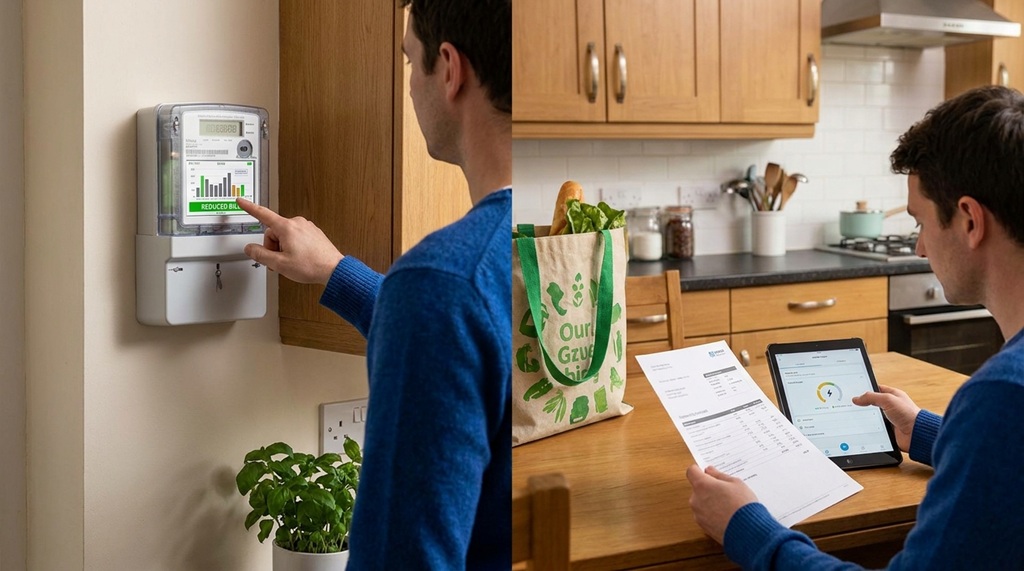
Smart electricity meters reduce energy bills by showing real-time energy usage, helping households identify waste, shift consumption to cheaper hours, and make informed efficiency decisions that can cut electricity costs by 5–15% annually.
Why Are So Many Households Overpaying for Electricity Without Realizing It?
Many households pay more for electricity than necessary because they cannot see when and how energy is being wasted. Hidden standby loads, inefficient appliances, and peak-hour consumption quietly increase monthly bills without obvious warning signs. Over time, this unnoticed waste can add up to thousands in avoidable costs.
A smart electricity meter is a digital device that records real-time electricity usage and automatically communicates that data to both the homeowner and the utility provider. Unlike traditional meters, it allows users to monitor consumption patterns, detect inefficiencies, and adjust behavior instantly.
Without visibility into energy usage, most households rely on guesswork. That leads to poor timing decisions, unnoticed appliance inefficiencies, and missed savings opportunities. Smart meters solve this problem by turning electricity consumption into measurable, actionable information.
How do smart electricity meters actually reduce electricity bills?
Smart electricity meters reduce bills by providing real-time consumption data that helps households adjust behavior, avoid peak tariffs, and eliminate energy waste.
Traditional analog meters only show cumulative usage. Smart meters provide detailed insights such as hourly consumption, appliance spikes, and standby load patterns. This visibility changes how people use electricity.
- Identify high-consumption appliances quickly
- Reduce peak-hour electricity use
- Track daily and weekly usage trends
- Detect unnecessary standby consumption
- Enable smarter budgeting for electricity costs
Energy agencies in several countries report households using smart meters typically reduce electricity consumption between 5% and 12% after installation due to improved awareness alone.
What is real-time energy monitoring and why does it matter?
Real-time energy monitoring lets homeowners see exactly how much electricity they are using at any moment, helping them make immediate adjustments that lower consumption.
Instead of waiting for a monthly bill, users can monitor usage minute by minute through mobile apps or in-home displays. This shifts electricity management from reactive to proactive.
For example:
- Turning off unused air conditioners earlier
- Running washing machines during off-peak hours
- Reducing unnecessary lighting usage
- Spotting inefficient refrigerators or heaters
These small daily corrections often produce measurable savings within the first billing cycle.
Can smart meters help reduce peak-hour electricity costs?
Yes, smart meters help reduce peak-hour costs by allowing households to shift electricity usage to cheaper time-of-use periods.
Many utilities now apply time-of-use tariffs, where electricity prices increase during high-demand hours such as evenings. Smart meters show when electricity is most expensive so users can adjust routines accordingly.
Common peak-shifting strategies include:
- Charging devices overnight
- Running dishwashers after 10 PM
- Using water heaters early morning
- Avoiding heavy appliance use during evening demand spikes
Households following time-of-use optimization strategies can reduce electricity bills by up to 10% depending on tariff structure.
How do smart meters help identify energy-wasting appliances?
Smart meters help identify inefficient appliances by revealing unusual spikes in electricity consumption linked to specific usage patterns.
Many appliances consume electricity even when idle. Others become inefficient as they age. Smart meter dashboards highlight these problems clearly.
Examples include:
- Old refrigerators drawing excessive baseline power
- Water pumps running longer than necessary
- Air conditioners cycling inefficiently
- Standby entertainment systems consuming power overnight
Replacing just one inefficient appliance can reduce annual electricity usage by 8–20% depending on device type.
Do smart electricity meters help detect hidden standby power usage?
Yes, smart meters reveal standby consumption patterns that are otherwise invisible on traditional meters.
Standby loads—sometimes called phantom energy—come from devices such as routers, televisions, chargers, and microwaves. Individually small, together they can represent 5–10% of total household electricity use.
Once identified, users can:
- Install smart power strips
- Turn devices off at the source
- Schedule shutdown routines
- Replace inefficient electronics
Are smart electricity meters more accurate than traditional meters?
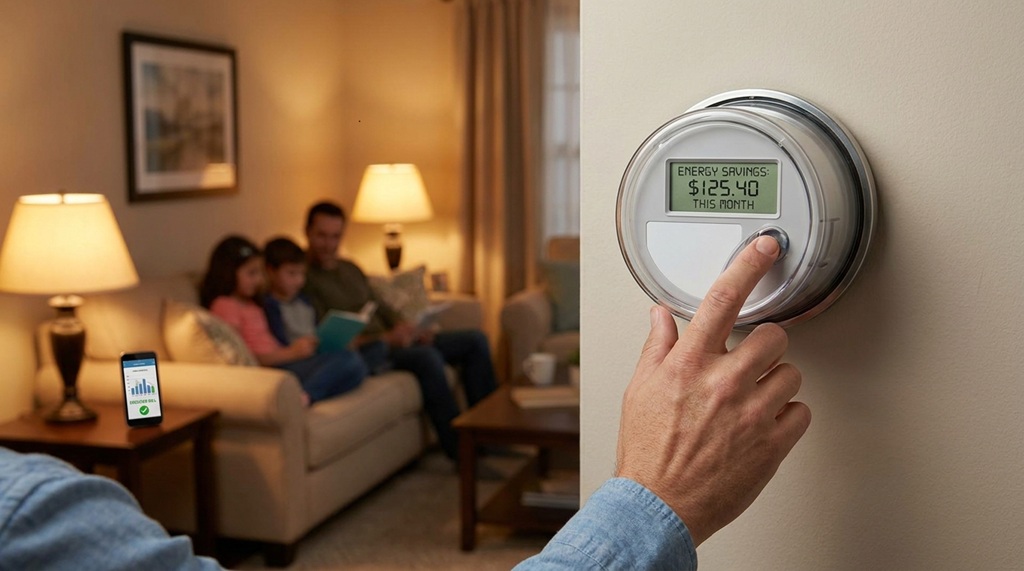
Smart electricity meters are more accurate because they measure consumption digitally and transmit readings automatically without manual estimation errors.
| Feature | Traditional Meter | Smart Meter |
|---|---|---|
| Reading method | Manual | Automatic |
| Accuracy level | Moderate | High |
| Real-time tracking | No | Yes |
| Usage insights | None | Detailed |
| Peak-hour monitoring | No | Yes |
| Billing transparency | Limited | Strong |
This accuracy ensures households pay only for actual consumption rather than estimates.
Can smart meters support solar panel users at home?
Smart meters help solar households track both electricity consumption and exported energy, improving return on investment.
When paired with rooftop solar systems, smart meters:
- Measure exported electricity accurately
- Optimize self-consumption timing
- Support net metering programs
- Reduce reliance on grid electricity
This combination often accelerates payback periods for residential solar installations.
Do smart meters help utilities reduce electricity costs for customers?
Yes, smart meters allow utilities to manage grid demand efficiently, which can stabilize pricing and reduce infrastructure costs passed to consumers.
Smart grids powered by digital meters enable:
- Faster outage detection
- Load balancing during demand spikes
- Reduced transmission losses
- Better forecasting of electricity needs
These system-level improvements indirectly lower long-term electricity pricing pressure.
Are smart electricity meters useful for budgeting monthly energy expenses?
Smart meters support energy budgeting by providing daily consumption updates that help households avoid unexpected billing surprises.
Instead of reviewing costs once per month, users can monitor spending continuously and adjust behavior before bills increase.
Effective budgeting actions include:
- Setting weekly consumption targets
- Monitoring appliance usage trends
- Tracking seasonal consumption changes
- Comparing weekday vs weekend energy use
This transforms electricity from a fixed expense into a controllable household variable.
smart meters reduce households
Can smart meters improve energy efficiency habits over time?
Yes, smart meters encourage long-term efficiency habits by making electricity usage visible and measurable.
Behavioral research shows households reduce consumption when feedback is immediate. Visibility leads to accountability.
Examples of habit improvements include:
- Switching off unused lighting consistently
- Reducing cooling system runtime
- Choosing energy-efficient appliances
- Running heavy devices during low-tariff hours
Over time, these adjustments compound into sustained savings.
Conclusion: Are Smart Electricity Meters Worth Installing at Home?
Smart electricity meters are one of the simplest upgrades households can make to reduce electricity bills without changing infrastructure or lifestyle dramatically. By providing real-time visibility, enabling peak-hour optimization, identifying inefficient appliances, and improving budgeting accuracy, they transform how energy is managed at home.
Instead of reacting to high bills after they arrive, homeowners gain the ability to control consumption before costs increase. That shift alone often produces measurable savings within months.
If your household electricity expenses feel unpredictable or higher than expected, installing a smart electricity meter is a practical step toward long-term energy efficiency and financial control.
Frequently Asked Questions About Smart Electricity Meters
Do smart meters increase electricity bills?
No, smart meters do not increase electricity bills. They only measure consumption more accurately and help households reduce usage through better awareness.
How much money can smart meters save annually?
Most households save between 5% and 15% annually depending on behavior changes, appliance efficiency improvements, and tariff optimization.
Are smart electricity meters safe to use at home?
Yes, smart meters meet international safety standards and use low-power wireless communication similar to common household electronics.
Do smart meters work during power outages?
Smart meters help utilities detect outages faster and restore service more efficiently, though they do not supply electricity themselves.
Can renters benefit from smart electricity meters?
Yes, renters can reduce electricity expenses by monitoring usage patterns and adjusting appliance behavior even without owning the property.
Do smart meters require internet access?
No, smart meters communicate with utilities through secure dedicated networks, though mobile apps may require internet for user access.
Are smart meters required for time-of-use electricity pricing?
Yes, time-of-use tariffs depend on smart meter data to measure when electricity is consumed throughout the day.
Read More Also How to Use the Right Vacuum Cleaner for Area Rugs at Home
Find out How to Decorate With Curved Furniture