
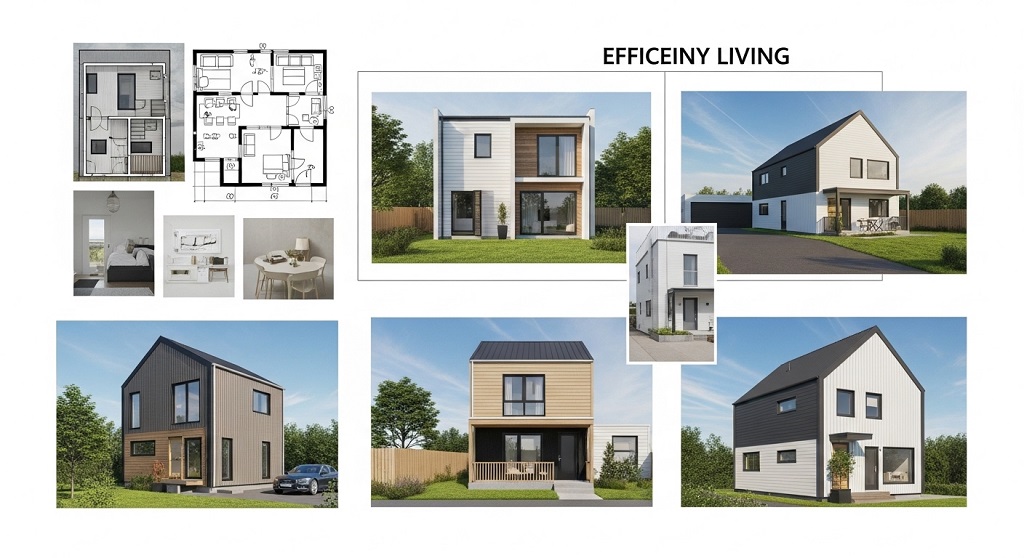
A well-designed small house is not a compromise. It is a strategy. With proper layout planning, multifunctional spaces, and cost-efficient materials, a compact home can feel spacious, comfortable, and future-ready.
This guide explains how to choose the right small house layout, optimize space, control construction costs, and select practical designs that match modern living needs.
What are small house designs and plans?
Small house designs and plans are architectural layouts typically under 1,500 square feet that prioritize efficient space use, lower construction costs, and practical living. These plans include smart storage, open layouts, flexible rooms, and energy-efficient features that maximize comfort while minimizing waste, maintenance expenses, and long-term housing costs.
Small house designs and plans are compact residential layouts that maximize limited space using open floor plans, smart storage, natural lighting, and multifunctional rooms. They reduce construction costs, improve energy efficiency, simplify maintenance, and support modern lifestyles while maintaining comfort, practicality, flexibility, and long-term affordability for homeowners.
Small homes are defined more by efficiency than size. A 900-square-foot home can feel larger than a poorly designed 1,600-square-foot structure.
Modern small house plans typically include:
- Open living and dining areas
- Compact but functional kitchens
- Multipurpose bedrooms or study corners
- Built-in storage systems
- Natural ventilation layouts
These features reduce unused circulation space and increase usable living areas. That improves both comfort and resale value.
Architects now focus on flexible interiors. A guest room can become a workspace. A dining space can convert into a study zone. This adaptability makes compact homes future-ready.
Why are small house designs becoming more popular?
Small house designs are becoming popular because they reduce construction costs, lower maintenance expenses, improve energy efficiency, and suit smaller urban plots. They also support minimalist lifestyles and faster construction timelines while offering functional layouts that meet modern family needs without unnecessary unused space.
Urban housing demand is increasing while plot sizes are shrinking. Smaller homes solve this mismatch between space availability and affordability.
Construction materials continue to become more expensive. A compact structure reduces cement, steel, bricks, labor hours, and finishing costs. That makes ownership achievable earlier.
Smaller homes also reduce long-term utility bills. Less area means lower cooling, lighting, and maintenance expenses.
Key drivers behind the shift toward compact housing include:
- Rising land prices in cities
- Higher construction material costs
- Growing interest in sustainable living
- Demand for low-maintenance homes
Young professionals, retirees, and small families prefer houses that are easy to manage. Investors also favor compact layouts because rental demand remains strong.
Which small house layout works best for modern families?
The best small house layout for modern families uses open-plan living areas, shared dining spaces, compact kitchens, and flexible bedrooms. Combining natural lighting, cross ventilation, and built-in storage improves comfort while keeping movement efficient and reducing wasted corridor space inside the home.
An effective layout ensures every square foot serves a purpose. Poor planning wastes usable area through oversized hallways and isolated rooms.
The most successful layouts include:
- Open living-dining integration
- Kitchen near entrance for ventilation
- Bedrooms positioned for privacy
- Bathrooms stacked for plumbing efficiency
Open-plan structures improve airflow and visibility. This makes the interior feel larger without increasing construction size.
Positioning windows on opposite walls improves cross ventilation. That reduces reliance on air conditioning and improves indoor comfort.
Flexible partitions can convert spaces into study zones, guest rooms, or storage areas when required. This increases usability without expanding footprint.
How can small house plans maximize limited space effectively?
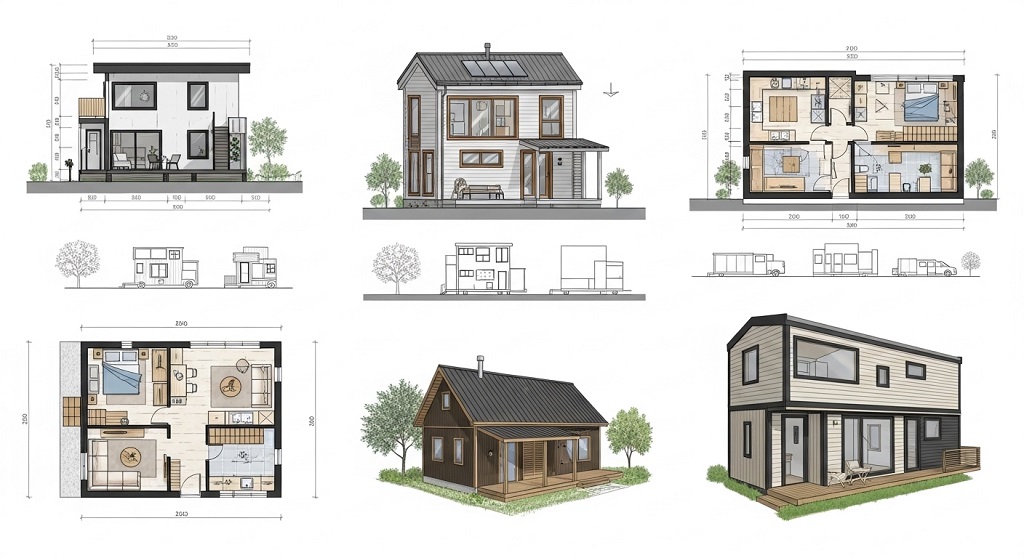
Small house plans maximize space by combining multifunctional furniture, vertical storage solutions, open layouts, sliding doors, and natural lighting strategies. These techniques reduce clutter, improve movement flow, and create visually larger interiors without increasing construction area or structural complexity.
Space optimization begins before construction starts. Proper planning prevents expensive modifications later.
Effective strategies include:
- Wall-mounted storage cabinets
- Under-stair storage systems
- Foldable dining tables
- Sliding wardrobe doors
Vertical storage increases usable floor area. Instead of expanding outward, storage expands upward.
Natural lighting plays a critical role in perceived spaciousness. Larger windows reduce dependence on artificial lighting and improve interior openness.
Mirrors placed strategically near windows reflect daylight deeper into rooms. This enhances brightness without increasing electricity consumption.
Furniture selection also affects usability. Lightweight modular furniture allows quick rearrangement based on daily needs.
What construction materials are best for small house designs?
The best construction materials for small house designs include reinforced concrete frames, lightweight blocks, engineered wood, and energy-efficient roofing systems. These materials reduce structural load, shorten construction timelines, improve insulation performance, and lower long-term maintenance costs while maintaining durability and safety.
Material selection directly influences cost, durability, and energy efficiency.
Lightweight materials reduce foundation load requirements. That lowers structural expenses.
| Material | Advantages | Best Use Area | Cost Efficiency |
|---|---|---|---|
| AAC Blocks | Lightweight, thermal insulation | Exterior walls | High |
| Fly Ash Bricks | Eco-friendly, durable | Structural walls | Medium |
| Engineered Wood | Flexible, fast installation | Interior partitions | High |
| Metal Roofing Sheets | Lightweight, weather resistant | Roofing systems | High |
Using insulated roofing panels reduces indoor heat gain. This lowers cooling costs during warm seasons.
Choosing moisture-resistant materials improves long-term durability. That reduces repair expenses over time.
How much does it cost to build a small house?
The cost to build a small house depends on location, materials, labor rates, and design complexity. On average, compact homes cost 20% to 40% less than standard houses because they require fewer materials, shorter construction timelines, and simpler structural engineering solutions.
Construction costs vary widely depending on finishes and structural choices.
Major cost components include:
- Foundation work
- Wall construction
- Roofing systems
- Electrical installation
- Interior finishing
Simple rectangular layouts reduce structural complexity. That lowers engineering and labor costs.
Compact plumbing layouts also reduce pipe length and installation time. This improves cost efficiency.
Selecting standard-size doors and windows prevents custom fabrication charges. That keeps budgets predictable.
Planning future expansion areas during initial construction prevents expensive structural changes later.
Which small house design styles are most practical today?
The most practical small house design styles today include minimalist homes, modern box houses, cottage-style layouts, and courtyard homes. These styles emphasize natural lighting, efficient room connections, simple geometry, and reduced ornamentation to maintain affordability while improving comfort and visual appeal.
Minimalist house plans eliminate unnecessary decorative elements. That reduces finishing costs.
Modern box-style houses use straight walls and flat roofs. These simplify construction and improve material efficiency.
Popular practical styles include:
- Single-floor compact bungalow layouts
- Duplex micro-family homes
- Studio-style open homes
- Courtyard-centered ventilation homes
Courtyard designs improve airflow naturally. This reduces indoor heat accumulation.
Flat-roof structures also allow future vertical expansion. That makes them ideal for growing families.
How can small house plans support future expansion?
Small house plans support future expansion by using strong foundations, modular layouts, staircase positioning strategies, and roof slab preparation for additional floors. Planning expansion early reduces structural modification costs and allows homeowners to increase living space when family size or income grows.
Expansion planning is one of the most overlooked aspects of compact housing design.
Preparing for vertical extension during initial construction saves significant money later.
Important expansion-ready strategies include:
- Column strength designed for extra floors
- External staircase placement
- Roof slab reinforcement
- Flexible partition walls
Flexible layouts allow interior adjustments without structural demolition.
Future-ready planning also improves resale value. Buyers prefer homes that support additional floors or rental units.
Conclusion: Are small house designs the smartest housing solution today?
Small house designs and plans solve three major housing problems: affordability, efficiency, and maintainability. They reduce construction costs, simplify daily living, and adapt easily to changing family needs.
A well-designed compact home feels larger because every square foot serves a purpose. Open layouts, smart storage, and efficient materials create comfortable living environments without increasing budgets.
Planning future expansion during the design phase protects long-term investment value. It also allows homeowners to scale space when needed.
If you are planning to build a new home, start with a functional small house plan. Choose a flexible layout, durable materials, and ventilation-focused architecture. That approach ensures affordability today and adaptability tomorrow.
Explore multiple layout options, compare materials carefully, and consult a qualified designer before finalizing construction drawings.
Frequently Asked Questions (FAQ)
What size qualifies as a small house?
A small house typically ranges between 600 and 1,500 square feet. The classification depends on regional housing standards, family size, and land availability, but compact homes always emphasize efficient layouts instead of unused circulation space.
Are small house plans cheaper to maintain?
Yes. Small house plans reduce electricity consumption, cleaning time, repair costs, and furnishing expenses. Smaller interior areas require fewer materials and less maintenance effort compared to large residential structures.
Can a small house feel spacious?
Yes. Open layouts, large windows, vertical storage systems, and natural lighting strategies create visual spaciousness. Smart planning allows compact homes to feel larger than poorly designed larger houses.
Is a small house suitable for families?
Small houses work well for small to medium-sized families when designed with flexible layouts, multipurpose rooms, and efficient storage. Expansion-ready structures also allow future adjustments as family needs grow.
Which roof type is best for small houses?
Flat roofs are ideal because they reduce construction complexity and allow vertical expansion. Sloped metal roofs are also effective in regions with heavy rainfall due to improved drainage performance.
Do small houses increase property value?
Yes. Efficient layouts, expansion potential, and low maintenance requirements increase resale appeal. Buyers prefer homes that offer flexibility and lower long-term ownership costs.
How long does it take to build a small house?
Most small houses can be completed within three to six months depending on material availability, labor conditions, and design complexity. Simpler layouts shorten construction timelines significantly.
Meta Description: Discover practical small house designs and plans that reduce costs, maximize space, improve efficiency, and support future expansion with smart layout strategies.
URL Slug: small-house-designs-and-plans
Read More Also: How to Set Up Reef Tank Lighting for Vibrant and Healthy Corals
Learn More: How to Use a Mini Vacuum Cleaner for Quick Daily Cleaning