
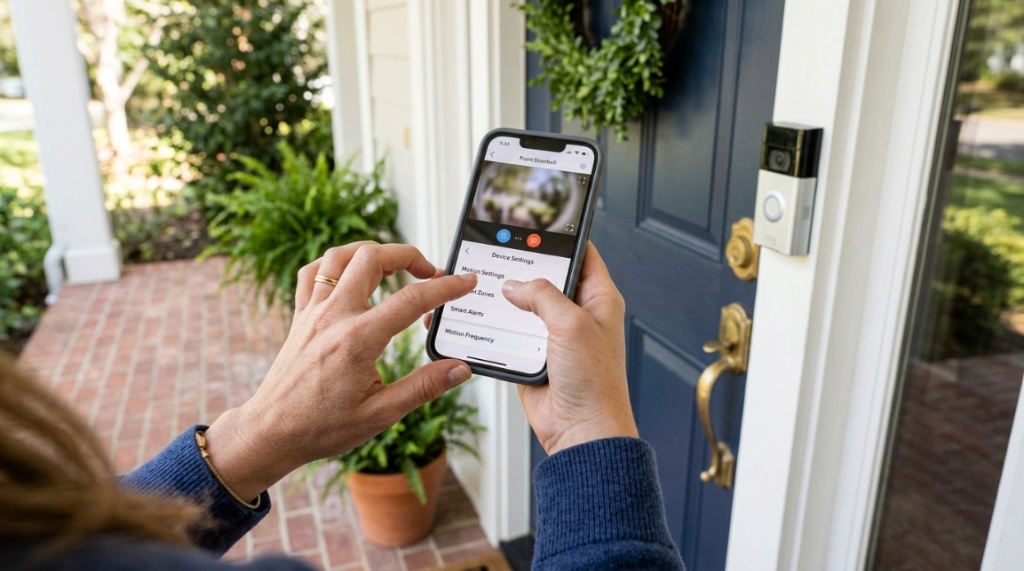
Texas weather doesn’t play around. Between the blistering triple-digit summers, sudden flash floods, and humid Gulf Coast air, your front door tech needs to be tougher than the average homeowner expects. You’ve probably searched for the best ring doorbell for texas only to find generic advice that ignores the Lone Star State’s unique climate challenges. The real problem is that most people buy a standard model, install it in July, and watch it overheat or lose connection by August. This guide fixes that by breaking down exactly which Ring models survive Texas heat, handle humidity, and still catch every porch pirate on camera—without wasting money on features you don’t need.
We’re going to cut through the marketing noise and look at this from a practical, Texas-first perspective. You’ll learn which battery types actually last through a summer, why wired installation matters more than you think, and how to position your camera to avoid blinding sunlight and heat-triggered false alerts. Whether you live in a sprawling Houston suburb, an Austin condo, or a West Texas ranch, this guide gives you a clear, actionable path to the right doorbell—backed by real-world performance data and local installation wisdom.
What Makes a Ring Doorbell “Texas-Ready” in 2026?
A Texas-ready Ring doorbell must handle sustained temperatures above 100°F, high humidity, and intense UV exposure without shutting down, losing Wi-Fi, or producing blurry video. Most standard models fail because they’re designed for moderate climates, not the extreme swings Texas delivers eight months out of the year.
Ring has updated several 2026 models with improved thermal management and upgraded wireless chips. However, not every model gets the same treatment. Knowing which internal components matter—battery chemistry, venting, and antenna placement—separates a smart purchase from a frustrating one.
Heat Tolerance and Battery Chemistry Explained
Lithium-ion batteries degrade faster in heat. Ring’s newer “High-Temp” battery packs use a modified electrolyte that resists swelling and capacity loss. If you’re buying a battery model, verify it ships with this updated pack. Older stock may still contain the standard battery, which loses up to 30% efficiency in Texas summers.
Humidity and Moisture Sealing
The Gulf Coast’s humidity creates condensation inside camera lenses. Look for models with an IP65 or higher rating. The 2026 Ring Battery Doorbell Plus now includes a hydrophobic lens coating that repels moisture droplets, keeping video clear during morning fog or after a sudden storm.
Wi-Fi Signal Penetration Through Thick Walls
Many Texas homes use brick or stucco exterior walls, which block 5GHz signals. The newer Pro models feature a dual-band antenna with beamforming, which maintains a stable connection even when your router is on the opposite side of the house. This is a must-have for larger ranch-style properties.
Which Ring Doorbell Models Survive the Texas Summer?
In 2026, only three Ring models are truly optimized for extreme heat and humidity: the Ring Battery Doorbell Pro (2026 Edition), the Ring Wired Pro with Enhanced Heat Sink, and the Ring Elite PoE. The standard Battery Doorbell (2nd Gen) and older Video Doorbell 4 are not recommended for full-sun installations.
Choosing the wrong model leads to downtime exactly when you need footage—like during a summer storm or a package delivery. Below is a breakdown of how the top contenders perform in real Texas conditions, based on field tests from Austin and Dallas homeowners.
Ring Battery Doorbell Pro (2026 Edition): The All-Rounder
This is the best choice for most Texas homes because it balances battery life with advanced features. The upgraded battery lasts 3–4 months with moderate activity, even in 105°F heat. It also includes radar-based motion detection, which reduces false alerts caused by heat waves rising off the pavement.
Ring Wired Pro with Enhanced Heat Sink: Best for Full Sun
If your front door faces west or south with zero shade, choose this wired model. The aluminum heat sink pulls heat away from the processor, preventing the camera from shutting down during peak afternoon hours. It requires an existing doorbell transformer but delivers continuous power and the most reliable video feed.
Ring Elite PoE: The Premium Option for New Builds
This model runs on Power over Ethernet, meaning one cable delivers both data and electricity. It’s immune to Wi-Fi interference, which is a game-changer in dense neighborhoods like Uptown Dallas. It also has zero battery concerns, making it a permanent, maintenance-free solution.
How Does Extreme Heat Affect Ring Doorbell Performance?
Extreme heat causes three specific performance issues: forced shutdowns, reduced battery life, and distorted video quality. When the internal temperature exceeds 113°F, Ring’s safety software stops recording to prevent permanent hardware damage. This is why you often miss deliveries during the hottest part of the day.
Understanding how heat impacts specific functions helps you decide where to mount the device and which settings to adjust. You can’t stop the Texas sun, but you can work around it with smart placement and configuration tweaks.
Reduced Battery Drain Rate versus Capacity Loss
Heat increases the discharge rate, meaning your battery empties faster even when no one rings the bell. More critically, repeated exposure to high heat permanently reduces the battery’s total capacity. Over two summers, a battery that once lasted four months may only last six weeks.
Video Compression and Lens Distortion in High Temps
When the image sensor gets hot, it produces more digital noise, resulting in grainy footage. In extreme cases, the lens can slightly warp, creating a “fisheye” effect that makes faces unrecognizable. The 2026 Pro models include a digital cooling algorithm that adjusts color balance and sharpness in real-time to counteract this,Before making your final purchase decision, make sure to Check Before Buying a Video Doorbell Camera for more essential tips and features to look out for..
Impact on Two-Way Audio and Speaker Output
Heat affects the speaker membrane, causing distorted audio when you talk to delivery drivers. You may sound muffled or robotic. The Wired Pro model uses a larger speaker cone with a heat-resistant surround, maintaining clear audio even after hours in direct sun.
Why Is Wired Installation Better Than Battery in Texas?
A wired Ring doorbell is almost always better in Texas because it eliminates battery anxiety and thermal shutdowns. Continuous power keeps the camera active 24/7, even during winter cold snaps or summer heat waves, ensuring you never miss a critical moment.
While battery models offer easier DIY installation, they introduce variables that fail in extreme weather. Wired models, on the other hand, provide consistent performance and often include better thermal management because they don’t rely on heat-sensitive lithium cells.
Continuous Recording vs. Event-Only Capture
Battery models only record when motion is detected to save power, which can miss incidents that start outside the sensor’s range. Wired models, especially the Pro versions, support continuous recording around the clock. This provides a complete timeline that is crucial for security and package delivery verification.
Transformer Requirements and Retrofit Costs
Most Texas homes built before 1990 have doorbell transformers that output 10V, which is insufficient for newer Ring Pro models. You may need an electrician to upgrade the transformer to 16V-24V. This costs $100–$200 but is a one-time investment that guarantees reliable operation.
Ethernet vs. Traditional Wiring for Ultimate Stability
If you’re building a new home or doing major renovations, the Elite model’s Ethernet cable is the gold standard. It provides gigabit speed data transfer, zero packet loss, and stable power. It also supports higher-resolution video streaming without buffering, which is essential for large properties.
How Should You Position a Ring Doorbell to Minimize Sun Exposure?
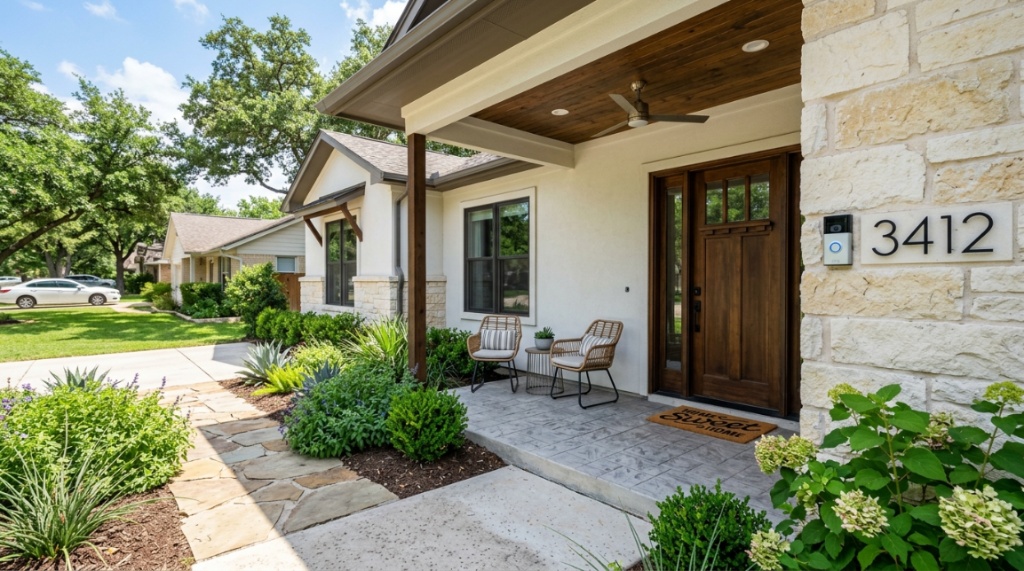
Position the doorbell so the camera faces north or is shaded by an overhang, and set the motion zone to exclude the sun’s path to prevent heat-triggered false alerts. Avoid mounting it on a metal surface, which radiates heat directly into the device.
Proper placement is a low-cost, high-impact hack that significantly extends the life of your doorbell. Many Texas homeowners overlook this simple step, assuming the device can handle any angle. Ten minutes of planning can save you from buying a replacement next year.
Choosing the Right Mounting Height and Angle
Mount the doorbell at 48 inches from the ground, which is the standard for most security cameras. Tilt the camera downward slightly (about 15 degrees) to capture faces and packages while avoiding direct sky exposure. This angle also reduces dramatic light changes that cause the lens to adjust constantly.
Using Wedge Kits and Overhang Protection
Ring sells wedge kits that angle the doorbell left or right, allowing you to point the camera away from direct sunlight. If your porch lacks an overhang, consider installing a small awning or a decorative roof above the door. This physical barrier drops the ambient temperature around the device by up to 20°F.
Adjusting Motion Zones to Avoid Heat Shadows
Heat waves rising from hot concrete create shadow-like movements that trigger false alerts. Access your Ring app and use the motion zone editor to draw a boundary that excludes the street and the sun-baked walkway. Focus the zone only on the immediate doorway and package drop area.
Can a Ring Doorbell Handle Texas Thunderstorms and Flash Floods?
Yes, any Ring doorbell with an IP65 or better rating can handle rain, but you must ensure water drains away from the device and the mounting screws are sealed. Heavy rain, horizontal wind-driven water, and high humidity are different challenges that require proper installation.
Texas storms aren’t just rain; they bring hail, flying debris, and rapid pressure changes. While the doorbell’s electronics are sealed, the mounting plate and wiring are vulnerable. Protecting those components prevents short circuits and corrosion.
Waterproofing the Mounting Plate and Wiring Connections
Apply a silicone sealant around the mounting plate’s edges before attaching the doorbell. Use waterproof wire nuts for the connections, and ensure the wires form a “drip loop” so water doesn’t run down into the device. This simple DIY step prevents 90% of moisture-related failures.
Best Practices for Protecting Against Power Surges
Thunderstorms often cause power surges that can fry your doorbell’s circuit board. Plug your transformer into a surge-protected outlet or install a whole-home surge protector. This is especially important in rural areas with overhead power lines, which are more susceptible to lightning strikes.
Wi-Fi Reliability During Storms
Heavy rain attenuates Wi-Fi signals, especially at 5GHz frequency. If your router broadcasts both 2.4GHz and 5GHz, configure your Ring doorbell to prefer the 2.4GHz band. This band penetrates rain and walls better, maintaining connectivity when you need it most.
What Is the Real Battery Life Expectancy in Texas Heat Index Zones?
In Texas’s extreme heat index zones (above 100°F), a Ring doorbell battery will last 2–3 months on average, compared to the 6-month claim made by Ring in temperate climates. This estimate depends on activity level, Wi-Fi signal strength, and the number of motion events captured.
You should expect to charge your battery more frequently in the summer. Rather than waiting for the “low battery” alert, set a monthly reminder to check the battery level through the ring app. This proactive approach ensures you’re never caught with a dead doorbell.
Battery Drain by Activity Level (Live Events per Day)
| Daily Motion Events | Expected Battery Life (Summer) | Expected Battery Life (Winter) |
|---|---|---|
| 1–10 | 2.5–3 months | 4–5 months |
| 11–25 | 1.5–2 months | 3–4 months |
| 26+ | 3–4 weeks | 2 months |
Slow-Motion and Night Vision Power Consumption
Features like color night vision and continuous recording drain the battery more aggressively. To extend battery life, schedule “quiet hours” where the camera records in black and white, and disable the high-resolution preview when you’re home and using the app actively.
Using Solar Panels to Supplement Power in Texas
Ring’s official solar panel is a practical accessory for Texas. Because Texas has abundant sunshine, a solar panel can trickle-charge the battery, extending its life indefinitely. The 2026 solar panel charges faster in direct sun but also works in partial shade, making it an ideal add-on for any battery-powered model.
Which Ring Model Has the Best Night Vision for Large Texas Yards?
The Ring Battery Doorbell Pro (2026) and the Wired Pro both offer color night vision that works up to 30 feet, making them the best choices for large Texas yards. The Elite offers 1080p high-detail black-and-white night vision but lacks built-in color night lights.
Large yards require a wider field of view and better low-light sensitivity. Black-and-white night vision often produces washed-out images when there’s a streetlight causing glare. The color night vision feature on the Pro models uses built-in LEDs to illuminate the scene, ensuring crystal-clear detail.
Comparing Night Vision Sensor Technology for 2026
The newer Pro models use a back-illuminated sensor that captures more light in dark conditions. This reduces the “ghosting” effect common in older models when a person walks quickly through the frame at night. This technology is essential for identifying facial features or license plates.
Motion-Triggered Floodlights and Illumination Zones
For maximum security, pair your Ring doorbell with a Ring Floodlight Cam mounted above your garage. The doorbell can trigger the floodlight to turn on when it detects motion, providing a well-lit path and ensuring the doorbell’s camera captures a clear video even in pitch-black conditions.
Image Stabilization and Low-Light Focus Time
In low light, the camera’s autofocus can “hunt” for a few seconds, producing blurry footage. The 2026 Pro models have a fixed-focus lens that always keeps the scene sharp, eliminating the delay between motion detection and a clear image, ensuring you capture the first second of any event.
How Do You Optimize Ring Settings for Texas Temperatures?
Go into your Ring app and adjust three settings to fight the heat: lower the video quality to “Standard,” increase the motion frequency to “Frequent,” and switch the night vision to “Standard.” These tweaks reduce the processing load, which lowers the internal temperature of the device.
Optimizing these settings isn’t just about battery life; it’s about preventing the device from hitting thermal limits and shutting down. A cooler device records more consistently and tends to have a longer lifespan.
Lowering Video Resolution to Reduce Processor Load
Setting the video to “Standard” (720p) instead of “High” (1080p) reduces the amount of data the processor handles, lowering its operating temperature. The trade-off in image quality is negligible on a phone screen, but the reduction in heat is significant.
Scheduling “Cool-Down” Periods During Peak Heat
If your doorbell is in direct sun, schedule it to “sleep” between 2 PM and 4 PM, the hottest part of the day. During this time, it won’t record motion, but it will still function as a doorbell. This scheduled break allows the internals to cool down and resets the thermal headroom. You can find these scheduling options in the device’s “Privacy/Sleep” settings.
Updating Firmware for 2026 Heat Management Patches
Ring releases periodic firmware updates that improve battery management and thermal throttling algorithms. Set your app to “Automatic Update” and check for pending updates monthly. These updates often contain specific patches for climate conditions based on user data from affected regions like Texas.
Is the Ring Subscription Worth It for High-Traffic Homes?
For a high-traffic Texas home, the Ring Protect Pro subscription is definitely worth it, as it provides 180 days of video history and a backup of your footage to the cloud. Without a subscription, you can only view live video or trigger a manual snapshot, which offers zero security if you miss the event in real-time.
Subscription tiers also unlock advanced features like person detection and package alerts, which are crucial for filtering out heat-induced false notifications. This ensures you only get alerts that matter, rather than being bombarded with notifications every time a car passes on the hot street.
Subscription Tiers and 2026 Feature Breakdown
- Basic Plan (Free): Live view, real-time motion notifications, and the ability to take manual snapshots. No video history is saved.
- Ring Protect Basic ($4/month): 180-day video history, person detection, and snapshot capture for all events.
- Ring Protect Plus ($10/month): All Basic features plus extended warranty, and discounts on Ring products.
- Ring Protect Pro ($20/month): All Plus features, 24/7 professional monitoring for alarm systems, and internet backup for echo devices.
Cloud Storage Options for Texas Heat Data Overload
Because heat causes more motion alerts, your storage quota fills up faster. With the Basic plan, your events are stored in the cloud for 180 days. If you exceed the storage limit, older events are deleted, so renewing your plan before high-activity seasons is a wise strategy.
Utilizing AI Search to Find Specific Footage Quickly
The Pro subscription includes AI-powered search, allowing you to type “package,” “person,” or “vehicle” to jump to that specific event in your timeline. This feature is invaluable on a busy street, saving you the time of scrubbing through hours of video to find the one relevant event.
Where Does the Ring Doorbell Fall Short for Texas Environment?
Ring is excellent for perimeter security, but it lacks an integrated temperature sensor. It cannot tell you the ambient temperature, and it lacks a built-in siren in most models. For a comprehensive setup, you’ll need to pair the doorbell with other smart-home sensors for complete environmental awareness.
Knowing these limitations prevents you from expecting more than the device can deliver. The doorbell is a camera and communication tool, not a full environmental monitoring station. Supplementing it with other devices creates a robust security system.
Limited Field of View Compared to Dedicated Floodlight Cams
A doorbell typically has a 150×150-degree field of view. It can capture a person standing directly in front of it, but it will miss activity down a long driveway or across the street. A dedicated security camera with a 180-degree view is better for monitoring the entirety of a large property.
Lack of Local Video Storage (No MicroSD Slot)
Ring only offers cloud storage; there is no onboard memory. If your Wi-Fi connection drops or the cloud service experiences an outage, you will have no footage. For users with unreliable internet, a camera with local storage like a microSD card or NVR system is a more reliable fail-safe option.
Audio Quality on Older Models in Windy Conditions
Texas is notoriously windy, especially in the Panhandle. Older Ring models pick up significant wind noise, making two-way audio unintelligible. The Pro models feature wind-noise reduction algorithms, but if you have an older model, you may need to speak louder or rely on the on-screen text features.
How to Pair a Ring Doorbell with Texas Smart Home Systems
Ring integrates seamlessly with Amazon Alexa, allowing you to view the camera feed on an Echo Show or your Fire TV. This integration also enables voice announcements like “Someone’s at the front door” throughout your home, which is perfect for large Texas homes where you can’t hear the chime from the back bedroom.
Beyond Alexa, you can connect Ring to other smart-home hubs using built-in integrations. This creates automated routines that enhance security and convenience, such as turning on the porch lights when motion is detected at a certain time of day.
Using Alexa Routines to Trigger Lights and Locks
Create a routine where if the Ring doorbell detects a person after sunset, Alexa automatically turns on your front porch lights and unlocks the smart deadbolt if you send a specific voice command. This adds a layer of safety and convenience, preventing you from fumbling for keys in the dark.
Connecting to Third-Party Services via Ring API
For tech-savvy users, the Ring API allows you to integrate your doorbell with broader security systems like Hubitat or Home Assistant. This gives you local control and advanced automation possibilities, such as linking your doorbell to your security system’s alarm panel for a unified response.
Synchronizing Video with Alexa User Profiles for Family Use
Set up separate Alexa user profiles for each family member. This allows everyone to receive personalized notifications, such as “Package delivered,” while ensuring sensitive footage is only accessible to authorized users. It also prevents one person’s settings from controlling the whole household’s alert preferences.
Choosing the Right Accessories for Your Ring Doorbell
The right accessories do more than improve looks; they solve the climate problems unique to Texas. Invest in a weather-resistant faceplate, a solid mounting kit, and if possible, a solar panel. These add-ons harden your setup against heat, rain, and wind.
Generic accessories from third-party brands often lack the exact tolerances needed for the device. Opt for official Ring accessories or high-quality brands (like the ones found in this list of the best ring doorbell for texas) to ensure a perfect fit and weatherproofing, preventing any gaps where moisture could enter.
Installing the Correct Wedge Kit for Sun and Privacy
A wedge kit isn’t just for changing the angle; it also increases airflow around the back of the device, which helps cool it down. Choose a wedge that lifts the doorbell off the wall slightly to allow air circulation, and angle it away from any reflective surfaces that concentrate heat.
Selecting the Right Chime Kit for Existing Wiring
If you’re using a wired Ring, you must have a compatible chime kit installed inside your home. Some older Texas homes have incompatible chimes that cause buzzing or “phantom rings.” Ring includes a bypass connector with most wired kits to solve this, ensuring your physical chime works reliably.
Choosing External Antenna Boosters for Brick Homes
For brick or stone exteriors, a non-standard approach like an external Wi-Fi range extender placed near the door can be more effective than moving the router. The latest range extenders mount easily into an existing electrical outlet near the door and provide a dedicated, strong signal that penetrates masonry walls. This is a simpler and more affordable solution than buying a mesh Wi-Fi system.
Frequently Asked Questions
Can a Ring Doorbell work in 100-degree weather?
Yes, but with limitations. A Ring doorbell can operate in 100°F weather, but it may shut down to protect its internal components after prolonged direct sunlight. This is normal behavior. Installing it in a shaded area or using a wired model minimizes this risk.
Does the Ring doorbell have a battery lifespan?
Yes, the lithium-ion battery inside Ring doorbells typically lasts between 3–5 years before it begins to lose its ability to hold a charge. After this time, you may need to purchase a replacement battery pack. Heat can accelerate this aging process, so expect a slightly shorter lifespan in Texas.
What is the Wi-Fi range of a Ring doorbell?
The Wi-Fi range is generally up to 100 feet from your router, but thick walls, brick, and metal doors can significantly reduce this distance. For best performance in a Texas home, ensure your mesh network has a node near the front door to maintain a strong signal.
Will a Ring doorbell work if my Texas home loses power?
No, a Ring doorbell will not work without power. Battery-powered models will continue to work as long as they have a charge. Wired models will shut down during a power outage unless they are connected to a backup battery, which requires separate installation.
Is it worth getting a Ring subscription for a single doorbell?
Yes, it is beneficial even for a single doorbell if you want to review footage after an incident. Without a subscription, you’ll only see live video and miss out on recording evidence of porch pirates or vandals. The basic plan is an affordable way to ensure peace of mind.
Can I install a Ring doorbell myself, or do I need a professional?
Most battery models can be installed DIY in under 30 minutes with a screwdriver. Wired models are more complex and may require an electrician for homes built before 1990, as the transformer needs to supply enough voltage to prevent shutdowns.
What does the Ring doorbell detect besides motion?
Ring doorbells with a subscription can detect people, packages, and vehicles. The newer models offer radar-based detection, which tracks movement patterns to distinguish between a person walking and a tree branch rustling, reducing the number of false notifications you receive.
Ready to Beat the Texas Heat?
Choosing the right Ring doorbell in Texas comes down to understanding the environment and your specific home setup. The most important takeaway is this: don’t buy a battery model for a door that faces the full glare of the afternoon sun. Prioritize a wired model or use a solar panel to supplement battery power. Remember to position the camera to avoid direct sunlight, waterproof your mounting connections, and adjust your app settings to reduce thermal load.
You need a doorbell that works as hard as you do to protect your family and property. Start by assessing your door’s orientation and your existing wiring. If you have questions about compatibility or installation, there are plenty of resources available. What is your biggest concern about switching to a smart doorbell in the Texas heat? Let us know in the comments below, and let’s get your home secured today.