
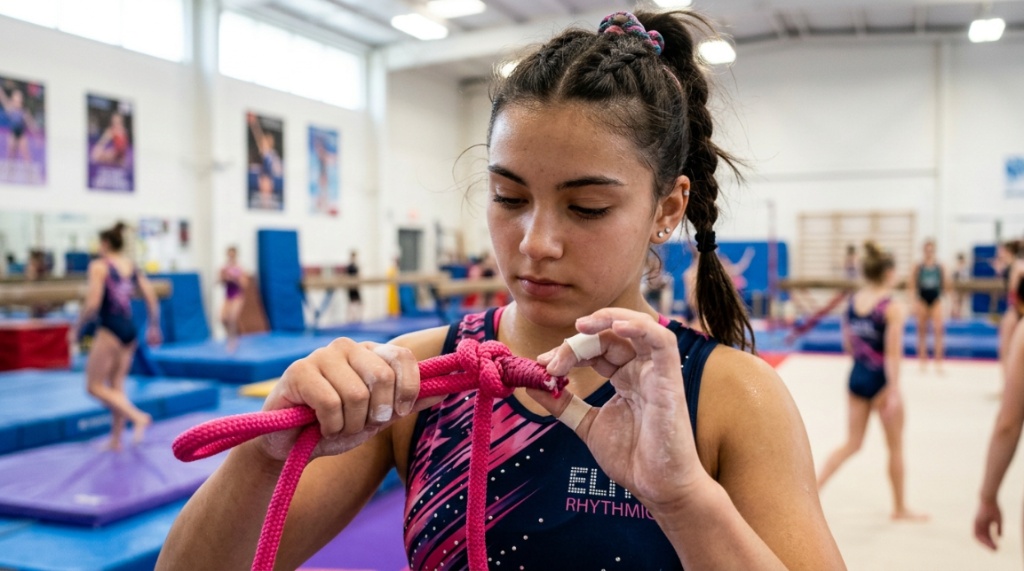
Finding a dependable gymnastics rope in California without breaking the bank can feel like a balancing act. You need something durable enough to handle daily training swings and conditioning drills, yet affordable enough to fit a realistic budget. Whether you coach a youth team, train at a local gym, or practice at home in your garage, the wrong rope can cause frustration, premature wear, or even safety issues. This guide explains exactly what makes a budget gymnastics rope worth buying, how to avoid common pitfalls, and what to check before you commit your money. By the end, you will know how to spot quality, compare materials, and choose a rope that performs well without costing a fortune.
Key Takeaways
- Budget gymnastics ropes in California range from roughly $10 to $35, but the cheapest option is rarely the most cost-effective for regular training.
- The rope’s material and diameter matter more than brand names when judging durability and swing quality.
- California’s climate and training environment influence which rope coating and handle style will last longest.
- You do not need Olympic-grade equipment to get reliable performance, but you should avoid ropes with thin cores or poorly attached handles.
- Buying from specialized gymnastics suppliers or reputable online stores usually provides better value than generic fitness ropes sold for general workouts.
What Makes a Gymnastics Rope Different from a Regular Jump Rope?
A gymnastics rope is not the same as a speed rope you would use for boxing or cardio. In gymnastics, the rope is primarily used for upper body conditioning, core stabilization, and strength work rather than continuous jumping. The rope is typically attached to a fixed anchor point, such as a ceiling mount or wall bracket, and the athlete performs pulls, hangs, climbs, or swinging motions. Because of this, the rope must have a specific thickness, a smooth surface, and minimal stretch under load.
Regular jump ropes are designed with lightweight handles and thin cords meant for rotation. A gymnastics rope, on the other hand, needs a consistent diameter of roughly 1.5 to 2 inches for gripping comfort during climbs or hangs. The material also differs. Most quality gymnastics ropes use cotton, manila, or a synthetic blend with a braided outer sheath. These materials provide the necessary friction for grip while remaining comfortable on the hands, especially during repeated swings or pull-ups.
If you buy a standard jump rope thinking it can serve both purposes, you will likely find it too thin, too stretchy, or too slippery for gymnastics-specific work. Understanding this difference is the first step toward making a smart purchase.
What Is the Ideal Budget for a Gymnastics Rope?
Budget is a relative term, but in the gymnastics equipment market, most affordable ropes fall between $10 and $35. Within this range, you can find ropes that work well for recreational training, school programs, or home use. Ropes priced under $10 often use thinner materials, weaker braiding, or smaller diameters, which may wear out quickly or irritate the hands during long sessions. Above $35, you start entering premium and professional categories, where the gains in durability and feel become smaller relative to the price increase.
For most athletes in California, especially those training two to four times per week, a rope in the $18 to $30 range offers the best balance of cost and performance. This price bracket typically includes ropes with reinforced braided exteriors, secure handle attachments, and consistent thickness throughout the length. You also gain access to better customer support and replacement options from reputable sellers.
When to Spend More
If you are coaching a team, buying multiple ropes for a class, or training five or more days per week, consider spending closer to the upper end of the budget range. The extra money usually buys stronger stitching, thicker materials, and longer lifespans, which saves you money in the long run compared to replacing cheap ropes every few months.
When to Spend Less
If you only need a rope for light conditioning once a week, or if you are trying gymnastics rope work for the first time, a lower-priced option can be acceptable. Just check that the rope does not have excessive fraying, loose fibers, or a diameter that is too small to grip comfortably,Looking for heavy-duty gear outside the gymnasium? Check out our guide on the Best Rescue Rope for Emergency Situations.
Which Rope Materials Offer the Best Value?
Material choice directly affects durability, grip, comfort, and price. For budget-conscious buyers, the three most common materials are cotton, manila, and synthetic blends. Each has strengths and weaknesses, so your decision should depend on how you plan to use the rope.
Cotton Ropes
Cotton is soft, comfortable, and easy on the hands, making it a good choice for beginners or younger athletes. It also provides excellent grip, even when your hands are slightly sweaty. However, cotton absorbs moisture, which can lead to stiffness when it dries. In California’s drier climate, this is less of an issue than in humid states, but cotton ropes still stretch more than synthetic options and may wear faster under constant friction.
Manila Ropes
Manila is a natural fiber rope made from abaca plant fibers. It is stiffer than cotton and provides a firm, traditional grip that many gymnastics coaches prefer for strength work. Manila holds up well to repeated pulling and climbing, but it can feel rough on sensitive hands. It also frays more noticeably over time, so you will need to replace it more frequently if used daily.
Synthetic Blends
Synthetic ropes, often made from polypropylene or nylon blends, offer the best durability for the price. They resist moisture, do not stretch as much as cotton, and maintain their thickness even after repeated use. Many budget-friendly gymnastics ropes on the market use a synthetic core with a braided outer layer to combine strength and comfort. These ropes are ideal for outdoor training or shared equipment where hygiene and longevity matter.
When comparing options, pay attention to the rope’s construction rather than just the material name. A well-braided synthetic rope can outperform a cheap cotton rope in both feel and lifespan.
How to Evaluate Gymnastics Rope Quality Before Buying
You cannot always test a rope in person before buying, especially when shopping online. Fortunately, you can evaluate quality using a few simple checks that require no specialized equipment.
Check the Diameter
Measure the rope’s thickness or look for the specification in the product description. A good gymnastics rope should have a diameter of about 1.5 to 2 inches. Anything significantly thinner will be uncomfortable for hanging or swinging. Anything much thicker becomes hard to grip, especially for athletes with smaller hands.
Inspect the Braiding Pattern
Look closely at photos or read reviews to see if the rope has a tight, uniform braid. Loose or uneven braiding indicates poor manufacturing and will cause the rope to stretch or fray quickly. If the product listing does not show the braid clearly, search for customer photos or video reviews.
Test the Flexibility
A good gymnastics rope should be flexible enough to bend easily in your hands but firm enough to hold its shape when swung. If a rope feels overly stiff or wire-like, it may be difficult to control. If it feels limp or floppy, it likely lacks the internal structure needed for proper swings.
Examine the Ends
For budget ropes, the ends are often the weakest point. Check if the rope ends are heat-sealed, whipped, or capped with durable material. Loose ends can unravel quickly and make the rope unsafe. If you are mounting the rope yourself, ensure the ends can be easily tied or clamped without damaging the fibers.
If you want to skip the guesswork and browse options that have already been vetted for quality and price, check out this guide to the best budget gymnastics rope CA for recommendations that balance affordability and durability.
Should You Buy a Rope with Handles or Without?
Gymnastics ropes generally come in two styles: open-ended ropes designed to be attached to an anchor point, and ropes with integrated handles or loops. The right choice depends on your training setup and goals.
Open-ended ropes are the most versatile because they can be tied to ceiling mounts, wall brackets, or sturdy beams. They are also easier to adjust to your preferred length. For this reason, they are the standard choice for gymnastics facilities and serious home trainers.
Ropes with handles or loops are more portable and can be used for grip-strength training or light conditioning without requiring installation. However, they are less suitable for full-body swings or climbing exercises because the handles limit where you can grip the rope.
If you are just starting out and do not have a permanent anchor point, a handled rope can be a useful temporary solution. But if you intend to progress in gymnastics strength work, an open-ended rope gives you more room to grow.
Common Mistakes to Avoid When Buying a Budget Rope
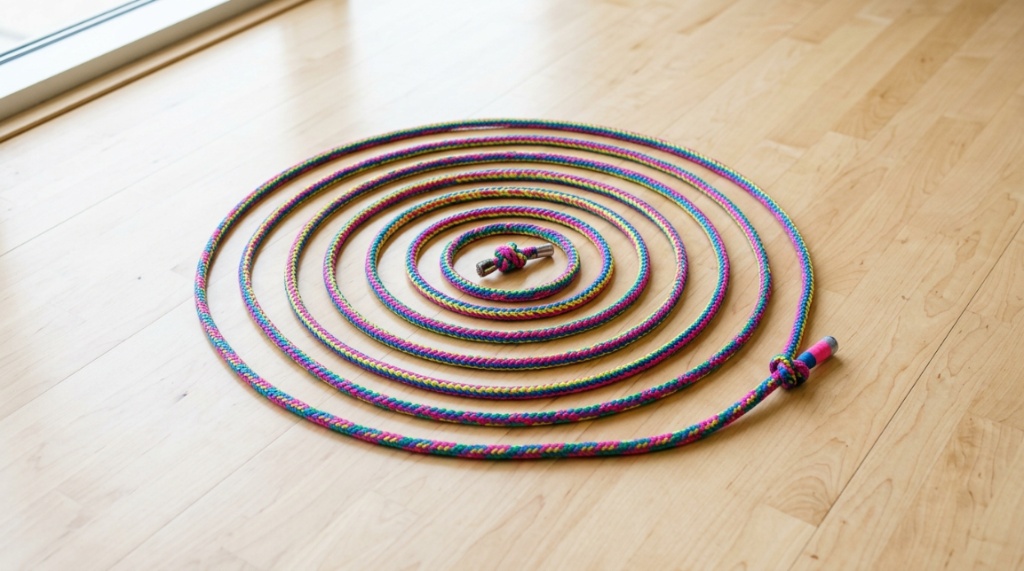
Even experienced athletes make purchasing mistakes when trying to save money. Here are the most common ones and how to avoid them.
Choosing a Rope That Is Too Short
Rope length matters significantly. A rope that is too short limits your range of motion and makes certain exercises impossible. Before purchasing, measure the height from your anchor point to the floor and add at least six feet for tying and adjustment. When in doubt, buy a longer rope and trim it to size.
Ignoring the Anchor Point Requirement
Some budget ropes come without mounting hardware. Factor in the cost and effort of installing a ceiling mount or wall bracket. If you are renting a home or training in a shared space, you may need a portable stand or doorframe anchor, which changes the type of rope you should buy.
Choosing Style Over Substance
Colorful or decorative ropes are attractive, but aesthetics do not improve performance. Focus on material, thickness, and braid quality. A plain-looking rope from a reputable seller will outperform a flashy rope made from inferior materials.
Overlooking Weight Capacity
Not all ropes are designed to support the same loads. If you are using the rope for hanging or climbing, check the manufacturer’s stated weight capacity if available. For budget ropes, a good rule is to choose one with a thicker core if you weigh over 180 pounds or plan to do dynamic swinging movements.
Where to Buy Budget Gymnastics Ropes in California
You have several purchasing options, each with its own advantages and drawbacks.
Specialized Gymnastics Equipment Stores
Specialty stores understand the specific requirements of gymnastics training. They stock ropes designed for the sport, and their staff can answer questions about material, length, and installation. However, their prices may be higher than online alternatives, especially for budget items.
Online Marketplaces
Amazon, Walmart, and specialized fitness websites offer a wide range of budget ropes. The main advantage is price and convenience, but you need to read reviews carefully to avoid low-quality knockoffs. Look for listings with clear product photos, detailed specifications, and a reasonable number of verified reviews.
Direct from Manufacturers
Buying directly from a manufacturer or a brand’s official website can cut out the middleman and reduce costs. Many gymnastics rope manufacturers sell online and offer bulk discounts for coaches or gym owners. This option also gives you better access to replacement parts and customer support.
For those who want a curated selection of affordable options that perform well in California’s varied training conditions, dedicated gymnastics suppliers often publish comparison guides and customer ratings to help you decide.
Do More Expensive Ropes Last Longer?
Not always. Price is not a perfect indicator of durability. A moderately priced rope made with high-quality synthetic fibers and tight braiding can outlast a premium rope made from natural materials that are prone to rotting or fraying. What you are really paying for at higher price points is consistency, quality control, and often a better warranty.
For budget buyers, the key is to prioritize construction over brand prestige. A $25 rope with reinforced ends and a dense braid will serve you better than a $50 rope from a famous brand that uses thinner fibers.
Track how often you use the rope. If you train only occasionally, even a lower-end rope can last for months or years. Frequent training, however, accelerates wear regardless of price, so budgeting for periodic replacement is more realistic than expecting any rope to last forever.
Frequently Asked Questions
What is the best length for a gymnastics rope?
Most gymnastics ropes are sold in lengths between 12 and 15 feet. The right length depends on your ceiling height and the type of exercises you perform. Measure from your anchor point to the floor and add about six feet for tying and adjustments. If you are unsure, a 13-foot rope works for most standard home ceilings.
Can I use a gymnastics rope outdoors in California?
Yes, but choose a synthetic rope that resists moisture and UV damage. Cotton and manila ropes can degrade faster outdoors, especially in sunny or coastal areas where humidity and salt air are factors. A synthetic blend will hold up better and require less maintenance.
How often should I replace a budget gymnastics rope?
Inspect your rope before each session. If you notice significant fraying, loose fibers, or reduced grip, replace it immediately. For regular training, a budget rope may last anywhere from six months to two years depending on usage frequency and material quality.
Do I need special hardware to install a gymnastics rope?
Yes, you typically need a ceiling mount, wall bracket, or sturdy overhead beam to secure the rope. Many budget ropes do not include mounting hardware, so factor in that cost. Alternatively, you can use a portable pull-up bar stand that includes anchor points.
Are thicker ropes better for gymnastics?
Thicker ropes provide more friction and are easier to grip, which is helpful for climbing and hanging exercises. However, ropes that are too thick can be difficult for athletes with smaller hands to grasp securely. A diameter between 1.5 and 2 inches is ideal for most users.
Conclusion
Buying a budget gymnastics rope in California does not require sacrificing quality if you know what to look for. Focus on material, diameter, braid tightness, and end construction rather than brand names or flashy designs. Measure your training space, choose a rope that fits your use frequency, and always inspect the rope before each session for signs of wear. Whether you settle on a cotton rope for comfort, a manila rope for tradition, or a synthetic blend for durability, the right choice comes down to your specific training goals. Affordable options that perform reliably do exist, and a little research now will save you both money and frustration later.