
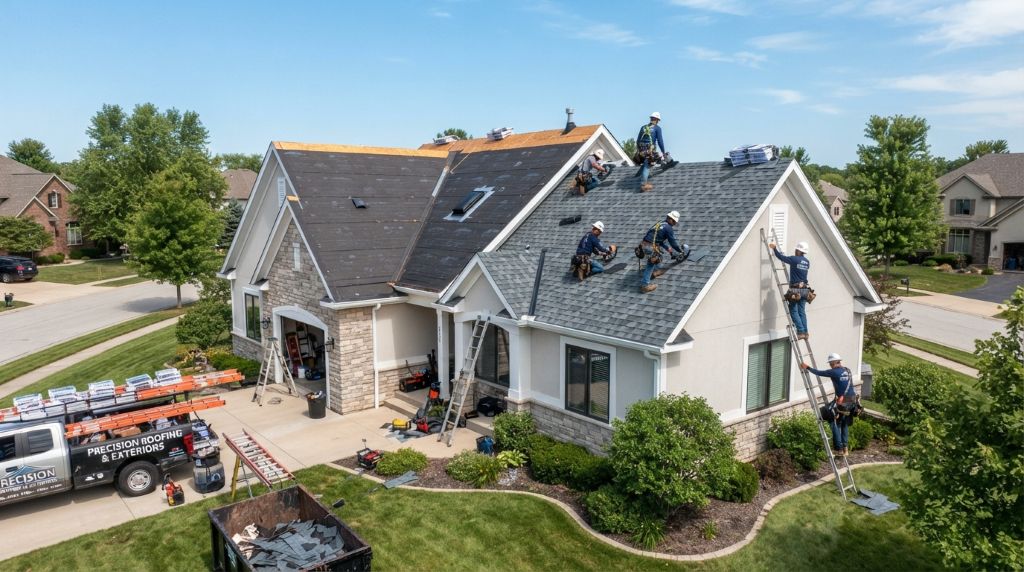
A new roof is one of the biggest purchases a homeowner ever makes. It costs thousands of dollars and takes days of noisy, messy work. However, it also protects everything under it for the next 20 to 30 years. Therefore, walking in prepared saves money, prevents stress, and gets you a better result. According to Remodeling magazine’s Cost vs. Value Report, a new asphalt shingle roof returns a large share of its cost at resale, and it often helps a home sell faster. Yet, as building and renovation experts at newhouseproject.com/ frequently warn, too many homeowners sign contracts without knowing the basics. In this post, you will learn when replacement is truly needed, how to choose materials, what a fair price looks like, and how to hire the right contractor. Read on, because an informed homeowner never overpays for a roof.
Key Takeaways
- Replace when repairs pile up, shingles age out, or decks show sagging.
- Asphalt shingles remain the most popular choice for cost and lifespan.
- Get at least three written quotes and compare the full scope of work.
- Always verify license, insurance, and local references before signing.
- Read the warranty closely, because labor and material coverage differ.
- Plan for noise, debris, and a few days with crews around your home.
Signs You Actually Need a Full Replacement
Not every worn roof needs replacing. Therefore, honest diagnosis comes first. Roofers sometimes sell full jobs when repairs would carry you for years. However, some damage truly is beyond patching. Below are the signs that point to replacement.
- The roof is over 20 to 25 years old, which is the typical asphalt lifespan.
- Shingles are curling, cracking, or losing granules across wide areas.
- You find shingle granules piled in gutters and at downspout ends.
- The roof deck sags or feels soft when walked on.
- Leaks keep returning in different spots after repeated repairs.
- Daylight shows through roof boards in the attic.
Age is the biggest factor. Most asphalt shingle roofs last 20 to 25 years with good care, according to the National Roofing Contractors Association. Additionally, roofs in hot climates or with poor attic ventilation age faster than that. Consequently, an old roof with widespread granule loss is living on borrowed time.
Widespread wear matters more than single flaws. A few missing shingles after a storm call for repairs. However, curling and bald spots across entire slopes mean the material itself is failing. Additionally, recurring leaks in new locations show the whole surface is worn out. Therefore, count the trouble spots. Many spread-out failures mean replacement. A few clustered ones mean repair.
Deck condition is the line you cannot cross. The deck is the wooden layer under the shingles, and it is the skeleton of your roof. If it sags, feels spongy, or shows rot from the attic, replacement is the only safe answer. Consequently, ask any contractor to quote deck repair as a possible add-on.
Finally, think about timing and value. If you plan to sell within a few years, a sound repaired roof may serve you fine. However, a worn roof hurts resale and can stall buyer financing. According to Remodeling magazine’s Cost vs. Value Report, a new roof is one of the few exterior projects that recoups a strong share of its cost. Therefore, balance your staying plans against the roof’s remaining life before deciding.
Choosing the Right Roofing Material for Your Home
Materials decide your cost, lifespan, and curb appeal. Therefore, choose before you collect quotes, because prices vary hugely. Below are the main options with honest pros and cons.
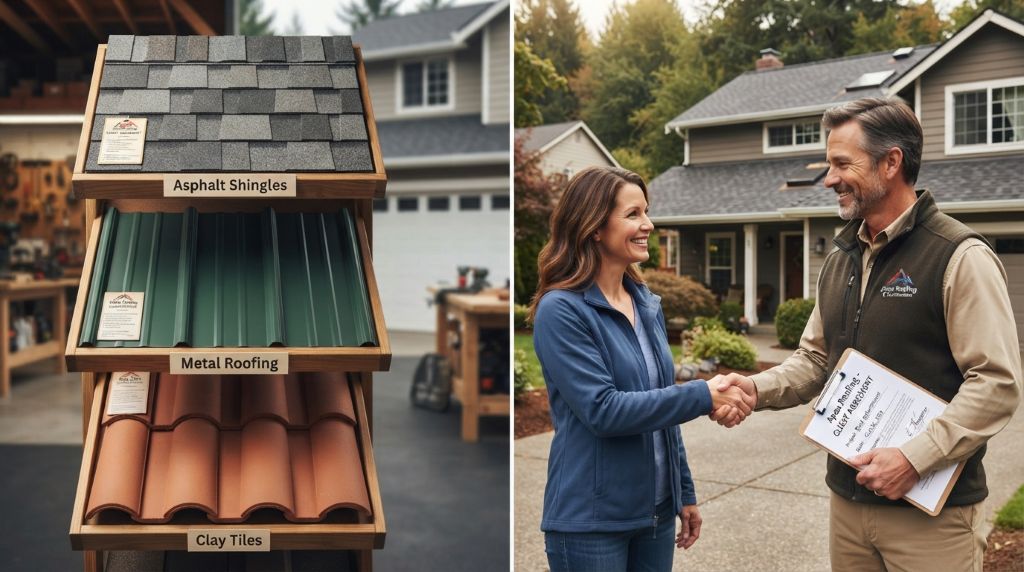
- Asphalt shingles: cheapest option, lasts 20 to 25 years, and fits most budgets.
- Metal roofing: costs more upfront but lasts 40 to 70 years and resists weather.
- Clay or concrete tiles: last 50+ years but weigh a lot and need strong framing.
- Slate: the most durable at 75 to 100 years, but also the most expensive.
- Wood shakes: attractive and natural, but need more upkeep and may face fire code limits.
Asphalt dominates for good reason. It is affordable, easy to install, and available in many colors and styles. Additionally, architectural shingles cost a bit more than basic three-tab ones but look thicker and last longer. Consequently, most quotes you receive will feature architectural asphalt unless you ask otherwise.
Metal deserves a serious look in harsh climates. According to the Metal Roofing Alliance, metal roofs often last two to three times longer than asphalt and stand up better to wind, hail, and fire. Additionally, some insurers offer premium discounts for metal. However, metal costs significantly more upfront. Therefore, metal pays off best if you plan to stay long term.
Weight matters more than people expect. Tile and slate can weigh several times more than asphalt per square. Consequently, some homes need framing reinforcement before heavy materials go on, which adds serious cost. Always ask whether your structure supports the material you want.
Also, check local rules before falling in love with a look. Homeowners associations and historic districts often restrict colors and materials. Additionally, some regions favor fire-resistant materials in wildfire zones. Therefore, confirm requirements early so the quote you accept is the roof you actually get.
Finally, consider ventilation and underlayment as part of the system. A synthetic underlayment adds a waterproof second layer, and proper ridge vents keep the new shingles from cooking. According to the Asphalt Roofing Manufacturers Association, good attic ventilation is one of the strongest predictors of shingle life.
What a Fair Roof Replacement Should Cost
Prices vary by region, roof size, and material, but honest quotes share a structure. Roofers price by the “square,” which is 100 square feet of roof area. However, most homeowners just need a realistic total range. According to HomeAdvisor data, a typical asphalt shingle replacement in the United States runs between about 5,500 and 11,000 dollars, with size and pitch driving most of the difference.
Therefore, watch what the quote includes, not just the total. A fair written quote should list:
- Labor and installation for all slopes.
- Tear-off and disposal of the old roof, including dumpster fees.
- Underlayment, ice and water shield, and flashing details.
- Vent work and any deck repair allowance.
- Cleanup and magnet sweep for nails, plus warranty terms.
Quotes that skip tear-off fees or flashing often balloon later with “surprises.” Therefore, insist on full scope in writing before comparing numbers. Additionally, ask each bidder the same questions so the comparison stays fair.
Beware the storm-chaser trap. Crews appear fast after hail and wind events and push same-day signups with “insurance specials.” However, quality roofers rarely need door-to-door pressure. Consequently, check that any company has a local office, local references, and a physical presence that will still exist when your warranty needs them.
Also, understand your payment schedule. Reputable contractors take a modest deposit, often 10 to 25 percent, with the balance due at completion. However, anyone demanding full payment upfront is a serious red flag. Additionally, never pay the final amount until you inspect the work and the site is fully cleaned.
Finally, review insurance carefully. If a storm caused the damage, your insurer sends an adjuster before work begins. Therefore, document the roof with photos and be present during the adjuster visit. Consequently, your claim and your contractor quote line up, and you avoid paying for covered damage twice.
How to Pick a Contractor You Can Trust
The right contractor matters more than the material. A great shingle installed badly leaks, while a modest roof installed well lasts decades. Therefore, vet every candidate with this checklist.
- Verify the contractor’s license and check for complaints with your state board.
- Confirm both liability insurance and workers’ compensation certificates directly.
- Collect three or more local references and call them.
- Get everything in writing, including scope, materials, timeline, and cleanup.
- Never sign under door-to-door pressure or hand over large deposits.
Insurance verification is the step most homeowners skip. Ask for the insurance certificate and call the provider to confirm it is active. However, if a worker gets hurt on an uninsured crew, the claim can land on you as the homeowner. Consequently, this one phone call protects your entire financial picture.
Local reputation beats national polish. A company with a local office will still exist in five years when you need warranty work. Additionally, ask neighbors and local community groups for names instead of trusting only online reviews. Therefore, favor contractors whose work you can actually see on nearby homes.
The written contract is your safety net. It should name the exact shingle brand and model, the underlayment type, the flashing plan, and the cleanup method. Additionally, note the start date, the payment schedule, and the warranty details. If a promise is not in the contract, treat it as not existing.
Warranties deserve a close read. Material warranties come from the manufacturer, but workmanship warranties come from the contractor. According to the National Roofing Contractors Association, homeowners should always ask for both and understand the difference. Consequently, a 50-year shingle warranty means little if the labor guarantee is one year.
Finally, inspect the finished job before final payment. Walk the ground for nails and debris, check the flashing, and ask about leftover materials. Therefore, close out the project with photos of the finished roof. Good contractors welcome all of this, because documentation protects both sides.
Conclusion
Replacing a roof is a big decision, but it does not need to be a stressful one. You now know the real warning signs of a failing roof. Additionally, understanding what are the top 5 roofing materials can help you compare durability, maintenance needs, appearance, and long-term value before making a choice. Therefore, start by inspecting your roof’s age and condition this week. Then collect three written quotes, verify licenses and insurance, and read every warranty line before signing.
A little homework now protects a very large investment later. So take that first look, ask the hard questions, and get the roof your home deserves.
FAQs
How long does a roof replacement take?
Most asphalt roofs take one to three days of work. Larger or complex roofs take up to a week. Additionally, weather can pause work, so allow slack in your plans.
How do I know if I should repair or replace my roof?
Repair if damage is minor and localized, like a few missing shingles. Replace if the roof is over 20 years old with widespread wear or a sagging deck. Therefore, count the trouble spots before calling anyone.
What is the best roofing material for the money?
Architectural asphalt shingles offer the best balance of cost, life, and looks for most homes. However, metal pays off for long-term owners in harsh climates. Consequently, match the material to your staying plans.
Will a new roof increase my home’s value?
Yes. According to Remodeling magazine’s Cost vs. Value Report, a new roof recoups a strong share of its cost at resale. Additionally, it reassures buyers and can speed up the sale.
What questions should I ask a roofing contractor?
Ask about license, insurance, the exact materials, the payment schedule, and both warranties. Additionally, request local references. A trustworthy contractor answers every question without pressure.