

Seattle homeowners face unique plumbing challenges due to the city’s aging infrastructure and Pacific Northwest climate. Clogged pipes can transform a peaceful evening into a stressful nightmare. However, understanding proper unclogging techniques can save you hundreds of dollars in professional fees. This comprehensive guide provides expert strategies specifically tailored for Seattle’s pipe systems. Whether you’re dealing with kitchen sink blockages or bathroom drain issues, these proven methods will help restore your plumbing to optimal condition. Additionally, you’ll discover preventive measures to avoid future clogs and maintain healthy pipes year-round.
Understanding Seattle’s Unique Plumbing Challenges and Common Pipe Problems
Seattle’s distinctive geography and climate create specific plumbing obstacles that residents must navigate. The city’s hilly terrain and frequent rainfall contribute to unique drainage issues. Moreover, many Seattle homes feature older pipe systems installed decades ago, making them more susceptible to blockages.
The Pacific Northwest’s abundant tree coverage means leaves, debris, and root intrusion frequently affect outdoor drainage systems. Furthermore, Seattle’s hard water contains minerals that gradually accumulate inside pipes, reducing flow capacity over time. These environmental factors combine to create challenging conditions for maintaining clear, functional plumbing systems.
Common pipe problems in Seattle include grease accumulation in kitchen drains, hair and soap buildup in bathroom fixtures, and seasonal debris blocking outdoor drains. Additionally, the city’s older homes often have narrow pipe diameters that clog more easily than modern plumbing systems.
Essential Tools and Materials Every Seattle Homeowner Needs for Effective Pipe Maintenance
Successful pipe unclogging requires the right equipment and supplies readily available in your home. Basic tools include a high-quality plunger, drain snake, and rubber gloves for protection. Additionally, keep baking soda, white vinegar, and dish soap on hand for natural cleaning solutions.
Professional-grade tools like motorized drain augers can handle stubborn blockages that manual methods cannot address. However, most Seattle homeowners can resolve common clogs using simple household items. A wet/dry vacuum also proves invaluable for removing debris from drain openings.
Essential materials for pipe maintenance include:
- Heavy-duty plunger with flanged design
- 25-foot manual drain snake
- Rubber gloves and safety glasses
- Baking soda and white vinegar
- Liquid dish soap and hot water
- Flashlight for inspection purposes
- Bucket for collecting overflow water
Investing in quality tools saves money long-term by reducing professional service calls. Therefore, consider these items essential components of your home maintenance toolkit.
Step-by-Step Natural Methods for Clearing Minor Blockages Without Harsh Chemicals
Natural unclogging methods protect Seattle’s environment while effectively clearing minor pipe obstructions. The baking soda and vinegar technique ranks among the most reliable approaches for dissolving organic matter. Start by pouring one cup of baking soda down the affected drain, followed by one cup of white vinegar.
Cover the drain opening with a wet cloth or stopper to contain the fizzing reaction. Allow the mixture to work for thirty minutes before flushing with hot water. This method breaks down grease, soap scum, and hair accumulation without damaging pipe materials.
Hot water flushing represents another gentle yet effective approach. Boil a large pot of water and pour it slowly down the drain in two to three stages. The heated water dissolves soap residue and loosens debris clinging to pipe walls. However, avoid this method with PVC pipes, as excessive heat can cause damage.
Dish soap and hot water combination works exceptionally well for grease-related clogs. Squirt generous amounts of liquid dish soap into the drain, then follow with hot water. The soap acts as a lubricant, helping stuck debris slide through the system.
Professional Plunging Techniques That Actually Work for Different Types of Drain Systems
Proper plunging technique makes the difference between success and frustration when clearing blocked drains. Different drain types require specific approaches for maximum effectiveness. Toilet clogs demand a flanged plunger that creates complete seals around the drain opening.
For sink and tub drains, use a cup plunger with steady, controlled motions. Create a tight seal by applying petroleum jelly around the plunger rim if necessary. Push down slowly to compress air, then pull up sharply to create suction that dislodges blockages.
Multiple drain systems require blocking overflow openings to concentrate pressure effectively. Cover secondary drains with wet cloths or duct tape before plunging. This technique prevents air from escaping and increases the force applied to the obstruction.
Effective plunging strategies include:
- Start with gentle pushes to establish proper seal
- Increase force gradually with rhythmic motions
- Maintain consistent pressure for 15-20 strokes
- Remove plunger quickly on final stroke
- Repeat process if initial attempts fail
Remember that patience and persistence often succeed where excessive force fails. Therefore, maintain steady rhythm rather than aggressive jabbing motions.
When and How to Use Drain Snakes Safely in Seattle’s Older Pipe Infrastructure
Drain snakes provide mechanical solutions for blockages that resist plunging and natural methods. Seattle’s older pipe systems require careful snake operation to avoid damaging fragile joints or connections. Begin with manual snakes before considering motorized versions for stubborn clogs.
Insert the snake slowly into the drain opening, rotating clockwise as you advance. Feel for resistance that indicates contact with the obstruction. Once you encounter blockage, alternate between pushing and pulling motions while continuing rotation. This technique either breaks up debris or hooks it for removal.
Older Seattle homes often feature cast iron or galvanized steel pipes that can develop rough interior surfaces. Exercise extra caution when snaking these systems to prevent scratching or puncturing weakened sections. Additionally, avoid excessive force that might disconnect aging joints.
Safety considerations for drain snake usage include wearing protective gloves and eye protection. Clean the snake thoroughly after each use to prevent contamination spread. Furthermore, inspect retrieved debris to identify recurring clog sources that require preventive measures.
Advanced Techniques for Stubborn Clogs That Resist Standard Unclogging Methods
Persistent blockages sometimes require more aggressive approaches beyond basic unclogging techniques. Hydro-jetting uses high-pressure water streams to blast through accumulated debris and mineral deposits. However, this method requires professional equipment and expertise to avoid pipe damage.
Enzyme-based drain cleaners offer biological solutions for organic matter accumulation. These products contain bacteria that consume grease, hair, and food particles naturally. Unlike chemical cleaners, enzymes work slowly but safely in all pipe materials common to Seattle homes.
Combination approaches often succeed where single methods fail. Try alternating between snaking and plunging, or follow chemical treatments with mechanical removal techniques. This multi-pronged strategy addresses different types of obstructions simultaneously.
For severe blockages, consider these advanced options:
- Professional hydro-jetting services
- Motorized drain augers with cutting attachments
- Camera inspection to identify exact problem locations
- Pipe section replacement for irreparable damage
According to the Environmental Protection Agency, proper drain maintenance can reduce plumbing service calls by up to 65% annually. This statistic emphasizes the importance of combining multiple techniques for comprehensive pipe care.
Preventive Maintenance Strategies to Keep Seattle Pipes Flowing Smoothly Year-Round
Prevention remains more cost-effective than reactive repairs for maintaining healthy plumbing systems. Regular maintenance schedules help identify potential problems before they become expensive emergencies. Weekly hot water flushes remove accumulating debris and maintain optimal flow rates.
Monthly enzyme treatments keep beneficial bacteria active in your drain system. These biological agents continuously break down organic matter that would otherwise accumulate into solid blockages. Additionally, quarterly professional inspections can detect developing issues in hard-to-reach areas.
Seasonal maintenance becomes particularly important in Seattle’s climate. Fall leaf cleanup prevents outdoor drain blockages, while winter freeze protection maintains system integrity. Spring cleaning removes accumulated debris from harsh weather months.
Key preventive measures include:
- Install drain screens in all fixtures
- Dispose of grease properly rather than pouring down drains
- Run hot water after each sink use
- Schedule annual professional maintenance
- Address minor issues immediately before they worsen
Last year, I learned this lesson the hard way when ignoring a slow kitchen drain led to a complete blockage during Thanksgiving dinner preparations. The resulting emergency service call cost three times what preventive maintenance would have required.
Recognizing When Professional Plumbing Services Become Necessary for Complex Issues
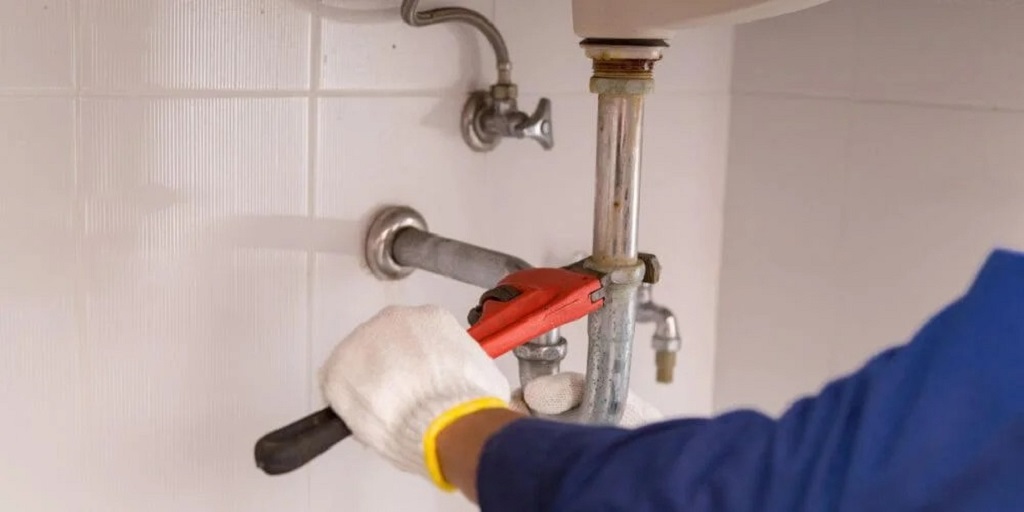
Understanding your limitations prevents costly mistakes and potential property damage. Certain situations require professional expertise beyond typical homeowner capabilities. Recurring blockages often indicate deeper system problems that need specialized diagnosis and repair.
Multiple drain backups suggest main sewer line issues that require professional equipment and expertise. Additionally, sewage odors, gurgling sounds, or water backing up in unusual locations signal serious problems requiring immediate professional attention.
Tree root intrusion represents a common Seattle problem that demands professional removal techniques. Roots can completely block pipes and cause structural damage if not addressed properly. Furthermore, attempting DIY root removal often worsens the situation.
Signs requiring professional intervention include:
- Multiple fixtures backing up simultaneously
- Sewage odors throughout the house
- Water damage or flooding from blocked drains
- Unusual sounds from plumbing system
- Visible pipe damage or corrosion
Professional plumbers possess specialized tools like sewer cameras and hydro-jetters that diagnose and resolve complex issues safely. Therefore, recognize when professional expertise provides better value than continued DIY attempts.
Cost-Effective Solutions and Budget-Friendly Maintenance Tips for Seattle Homeowners
Managing plumbing costs requires strategic planning and smart maintenance practices. DIY solutions handle most common blockages at fraction of professional service costs. However, knowing when to invest in professional help prevents expensive damage from improper repairs.
Bulk purchasing of maintenance supplies reduces long-term costs significantly. Stock up on drain cleaning products, plunging equipment, and basic tools during sales periods. Additionally, group maintenance tasks to maximize efficiency and minimize disruption.
Budget-friendly maintenance strategies include forming neighborhood tool-sharing cooperatives and scheduling group professional services for reduced rates. Many Seattle plumbers offer discounts for multiple service calls in the same area.
Cost comparison for common solutions:
- DIY baking soda treatment: $2-3 per application
- Professional drain cleaning: $150-300 per visit
- Preventive enzyme treatments: $10-15 monthly
- Emergency service calls: $300-500 per incident
According to Seattle Public Utilities data, homeowners who implement regular maintenance schedules reduce their annual plumbing costs by an average of 40% compared to those who only address problems reactively.
Environmental Considerations and Eco-Friendly Approaches for Sustainable Pipe Maintenance
Seattle’s environmental consciousness extends to plumbing maintenance practices that protect local water systems. Chemical drain cleaners can harm beneficial bacteria in septic systems and contaminate groundwater supplies. Therefore, prioritizing natural and biological solutions aligns with the city’s sustainability goals.
Enzyme-based cleaners and mechanical removal methods eliminate chemical pollution while maintaining effective cleaning power. Additionally, proper grease disposal prevents contamination of Seattle’s water treatment facilities and Puget Sound ecosystem.
Rainwater management becomes crucial for Seattle homeowners dealing with seasonal drainage challenges. Installing rain gardens and proper gutter systems reduces storm water impact on municipal drainage systems. Furthermore, these measures decrease basement flooding risks during heavy precipitation periods.
Eco-friendly maintenance practices include composting organic drain debris rather than sending it to landfills. Coffee grounds, food particles, and hair can enrich garden soil when properly processed. This approach reduces waste while creating valuable soil amendments.
Conclusion
Maintaining clear, functional pipes in Seattle requires understanding local challenges and implementing appropriate solutions. These expert unclogging techniques address common blockages while protecting your plumbing investment. Regular maintenance prevents costly emergencies and extends system lifespan significantly.
Natural methods provide safe, effective solutions for most residential drain issues. However, recognizing when professional intervention becomes necessary protects your property from serious damage. Additionally, preventive maintenance strategies keep your pipes flowing smoothly throughout Seattle’s challenging seasons.
Environmental responsibility and cost-effectiveness work together when you choose appropriate unclogging methods. Therefore, implement these proven techniques to maintain healthy plumbing while supporting Seattle’s sustainability goals. Your pipes will thank you with years of reliable service.
Ready to tackle your plumbing challenges? Share your Seattle pipe maintenance experiences in the comments below, or pass this guide along to neighbors facing similar issues.
Related Topics: Desktop Gardening Projects for Arduino and Raspberry Pi
Frequently Asked Questions
What causes pipes to clog more frequently in Seattle compared to other cities?
Seattle’s unique combination of hard water, abundant rainfall, older infrastructure, and tree debris creates challenging conditions. The city’s mineral-rich water deposits scale inside pipes, while frequent storms wash organic matter into drainage systems.
How often should Seattle homeowners perform preventive drain maintenance?
Perform weekly hot water flushes, monthly enzyme treatments, and quarterly professional inspections. Additionally, seasonal maintenance before fall and spring addresses weather-related challenges specific to the Pacific Northwest climate.
Are chemical drain cleaners safe for Seattle’s older pipe systems?
Avoid harsh chemical cleaners in older pipes, as they can damage cast iron, galvanized steel, and aging joints. Natural methods using baking soda, vinegar, and enzyme-based products provide safer alternatives for vintage plumbing systems.
When should I call a professional plumber instead of attempting DIY solutions?
Contact professionals for multiple drain backups, sewage odors, recurring blockages, or visible pipe damage. Additionally, main sewer line issues and tree root intrusion require specialized equipment beyond typical homeowner capabilities.
What’s the most cost-effective approach for maintaining Seattle home plumbing systems?
Combine regular DIY maintenance with annual professional inspections. This strategy prevents expensive emergencies while keeping routine costs manageable. Invest in quality tools and maintain consistent cleaning schedules for optimal results.