

Operating a food truck comes with unique challenges and responsibilities. Among the most critical is ensuring proper fire safety measures are in place. When you’re cooking in a confined mobile space, the risk of fire increases significantly. That’s why understanding and implementing the right fire suppression equipment is essential for every food truck owner. Companies like Roof Master Construction specialize in helping food service businesses navigate these crucial safety requirements.
Fire suppression systems are not optional for food trucks. They are legally required in most jurisdictions across the United States. These systems protect your business, your employees, and your customers from potentially devastating fires. Additionally, having proper fire suppression in place ensures you can obtain the necessary permits and insurance to operate legally.
Understanding the Hood Suppression System
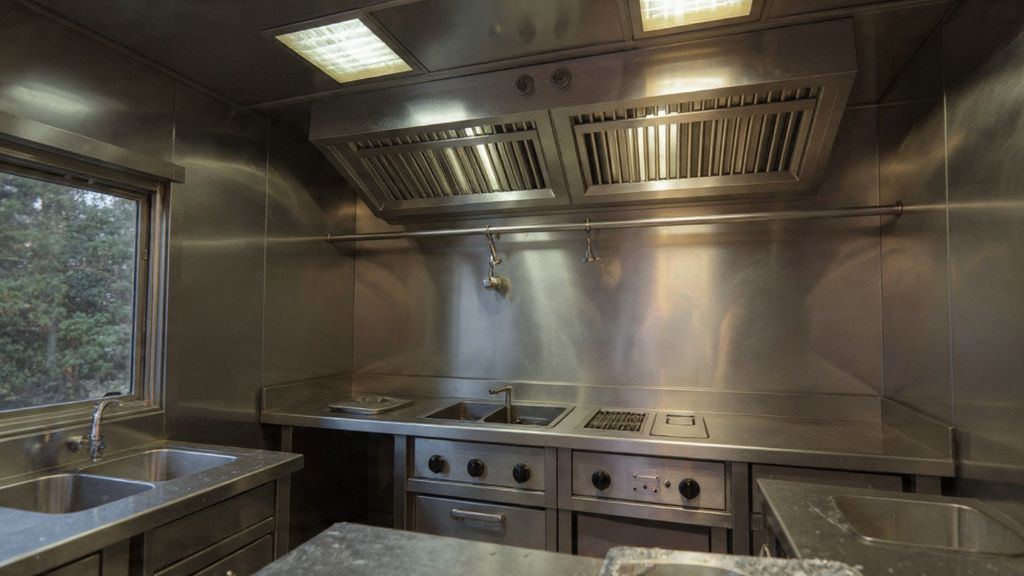
The centerpiece of any food truck fire safety setup is the hood suppression system. This specialized equipment is designed to detect and extinguish fires that start in cooking areas, particularly those involving grease and cooking oils. Unlike standard fire extinguishers, these systems are specifically engineered for kitchen environments where Class K fires are most common.
A hood suppression system typically includes several key components. First, there are detection devices that sense when temperatures reach dangerous levels. Second, the system contains nozzles strategically positioned above and around cooking equipment. Third, a chemical agent specifically formulated for grease fires is stored in pressurized tanks. When activated, the system releases this agent through the nozzles, quickly suppressing flames and preventing re-ignition.
Modern systems use wet chemical agents rather than older dry chemical solutions. These wet chemicals are more effective at cooling cooking oils below their ignition point. Furthermore, they create a barrier between the fuel source and oxygen, which stops combustion more efficiently.
Types of Fire Suppression Systems for Food Trucks
Food truck operators have several options when selecting fire suppression equipment. The most common type is the automatic wet chemical system, which activates when heat sensors detect fire. These systems work without human intervention, providing protection even if staff members are unable to respond quickly.
Manual systems are also available as backup options. These require someone to pull a manual release handle to activate suppression. However, relying solely on manual systems is not recommended for food trucks. The confined space and fast-moving nature of kitchen fires make automatic detection crucial.
Some food trucks use hybrid systems that combine automatic detection with manual override capabilities. This approach provides the best of both worlds. The system can activate automatically when needed, but operators can also trigger it manually if they notice a problem before sensors detect it.
Required Components Beyond the Hood System
While the hood suppression system is the primary defense, food trucks need additional fire safety equipment. Portable fire extinguishers rated for Class K fires must be readily accessible. According to the National Fire Protection Association, these extinguishers should be mounted in visible locations where staff can reach them within seconds.
Emergency shut-off switches for gas and electrical equipment are also mandatory in most jurisdictions. These switches allow operators to quickly cut power to cooking equipment during emergencies. Therefore, they provide an additional layer of safety beyond the suppression system itself.
Proper ventilation systems work hand-in-hand with fire suppression equipment. Adequate airflow removes heat, smoke, and grease-laden vapors from the cooking area. This not only improves working conditions but also reduces fire risk by preventing dangerous buildup.
Installation and Certification Requirements
Installing a hood suppression system is not a do-it-yourself project. Licensed professionals must perform the installation to ensure compliance with local fire codes and manufacturer specifications. Moreover, the system must be inspected and certified before your food truck can receive operating permits.
Most jurisdictions require systems to meet standards set by organizations like Underwriters Laboratories (UL) and the National Fire Protection Association. These standards cover everything from system design to installation methods. Consequently, working with certified installers familiar with these requirements is essential.
After installation, your local fire marshal or building inspector will typically conduct an inspection. They verify that the system is properly installed, correctly sized for your cooking equipment, and fully operational. Only after passing this inspection can you legally operate your food truck.
Maintenance and Inspection Schedules
Fire suppression systems require regular maintenance to function properly when needed. Professional inspections should occur at least twice per year, though some jurisdictions mandate quarterly inspections. During these visits, technicians check all system components, test detection devices, and verify that chemical agents are at proper levels.
Between professional inspections, food truck operators should perform basic checks. These include visually inspecting nozzles for blockages, ensuring manual pull stations are unobstructed, and verifying that pressure gauges show proper levels. Additionally, keep detailed records of all inspections and maintenance work.
Neglecting maintenance can have serious consequences. A system that fails during a fire puts lives at risk and can result in total loss of your business. Furthermore, insurance companies may deny claims if maintenance records are incomplete or outdated.
Common Violations and How to Avoid Them
Many food truck operators unknowingly violate fire suppression requirements. One common mistake is adding new cooking equipment without updating the suppression system. When you install additional fryers, grills, or ranges, the existing system may no longer provide adequate coverage.
Another frequent violation involves improper cleaning of hood systems. Grease buildup in hoods and ducts creates extreme fire hazards. Regular professional cleaning is required, typically every three to six months depending on cooking volume. However, high-volume operations may need monthly cleaning.
Some operators disable or tamper with suppression systems because they experienced accidental discharges. This is extremely dangerous and illegal. If your system activates accidentally, have it professionally serviced to identify and correct the problem rather than disabling safety features.
Cost Considerations for Fire Suppression Systems
Installing a complete fire suppression system in a food truck represents a significant investment. Basic systems typically cost between $2,000 and $5,000, while more comprehensive setups can exceed $10,000. These costs include equipment, installation, and initial certification.
Ongoing expenses include semi-annual inspections, which generally cost $150 to $300 per visit. Chemical agent refills after activation or expiration add another expense, usually ranging from $500 to $1,500. Despite these costs, proper fire suppression is far less expensive than dealing with fire damage or legal liability from operating without adequate protection.
Many food truck financing options include provisions for safety equipment. Additionally, some insurance companies offer premium discounts for trucks with properly maintained suppression systems. Therefore, the investment often pays dividends through lower insurance costs and peace of mind.
Insurance and Liability Implications
Operating without proper fire suppression affects your ability to obtain insurance coverage. Most commercial insurance policies specifically require functional, certified fire suppression systems in food service vehicles. Without this equipment, insurers will either deny coverage entirely or charge prohibitively high premiums.
Liability concerns extend beyond property damage. If a fire injures customers or bystanders and your suppression system was non-compliant or poorly maintained, you could face serious legal consequences. Courts have held business owners liable for damages when safety systems were inadequate or improperly serviced.
Document everything related to your fire suppression system. Keep copies of installation certificates, inspection reports, maintenance records, and receipts for all services. This documentation protects you legally and helps with insurance claims if problems occur.
Conclusion
Fire suppression requirements for food truck kitchens exist to protect lives and property. The hood suppression system serves as your primary defense against dangerous kitchen fires, but it must be properly installed, regularly maintained, and integrated with other safety measures. By understanding these requirements and maintaining compliance, you protect your investment while ensuring the safety of everyone who encounters your food truck. Remember that fire safety is not an area where shortcuts are acceptable. Work with qualified professionals, follow all regulations, and treat your suppression system as the critical safety equipment it truly is.
Frequently Asked Questions
What happens if my hood suppression system accidentally activates?
If your system activates accidentally, immediately shut down all cooking equipment and call a certified technician. The system must be professionally recharged and inspected before you can resume operations. Most accidental discharges result from excessive heat buildup, sensor malfunctions, or someone bumping the manual release. Document the incident for insurance purposes and identify the cause to prevent future occurrences.
How often do I need to replace the chemicals in my fire suppression system?
The chemical agents in fire suppression systems typically have a lifespan of six years from the manufacture date. However, if the system activates for any reason, the chemicals must be replaced immediately regardless of age. Your semi-annual inspections should include verification that chemicals remain within their usable lifespan and have not lost pressure.
Can I install a used fire suppression system in my food truck?
While purchasing used equipment might seem cost-effective, it is not recommended for fire suppression systems. Used systems may have hidden damage, expired components, or outdated technology that does not meet current codes. Additionally, many jurisdictions require new systems with current certifications. The relatively small savings are not worth the safety risks and potential permit complications.
Do I need different suppression systems for different types of cooking equipment?
The type and coverage of your suppression system must match your specific cooking equipment. Systems are designed based on the hazard level and surface area of appliances they protect. If you use high-output equipment or have multiple cooking stations, you may need a more extensive system with additional nozzles. Always consult with a certified installer who can properly assess your needs.
What should I do immediately after my suppression system activates during a real fire?
After the system activates, evacuate everyone from the food truck and call 911 immediately. Do not re-enter until firefighters clear the scene, even if the fire appears extinguished. The fire department must inspect to ensure no hidden flames remain. After their clearance, contact your insurance company and a certified technician to recharge your system before resuming operations.
Related Topics:
Creative Storage Solutions to Maximize Space in Kitchen
Kitchen Chaos Conquered: Smart Strategies for a Streamlined Space