
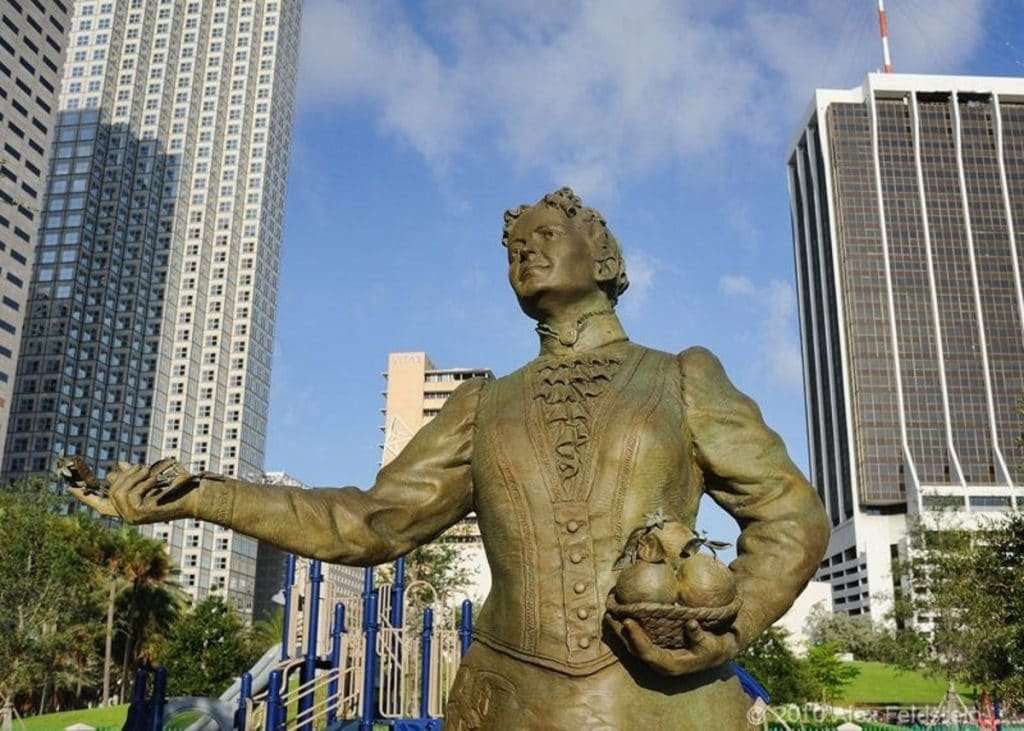
When you think of Miami, sun-kissed beaches, vibrant nightlife, and a melting pot of cultures likely come to mind. But did you know one of the most compelling unknown facts about Miami is that it stands uniquely as the only major U.S. city founded by a visionary woman? This fascinating tidbit sheds light on the city’s rich history and the remarkable legacy of Julia Tuttle, a pioneer who transformed a wilderness into a thriving metropolis. Dive into the captivating story of Miami’s origins and uncover the layers of history that make this city truly exceptional.
Julia Tuttle: The Mother of Miami and Her Unwavering Vision
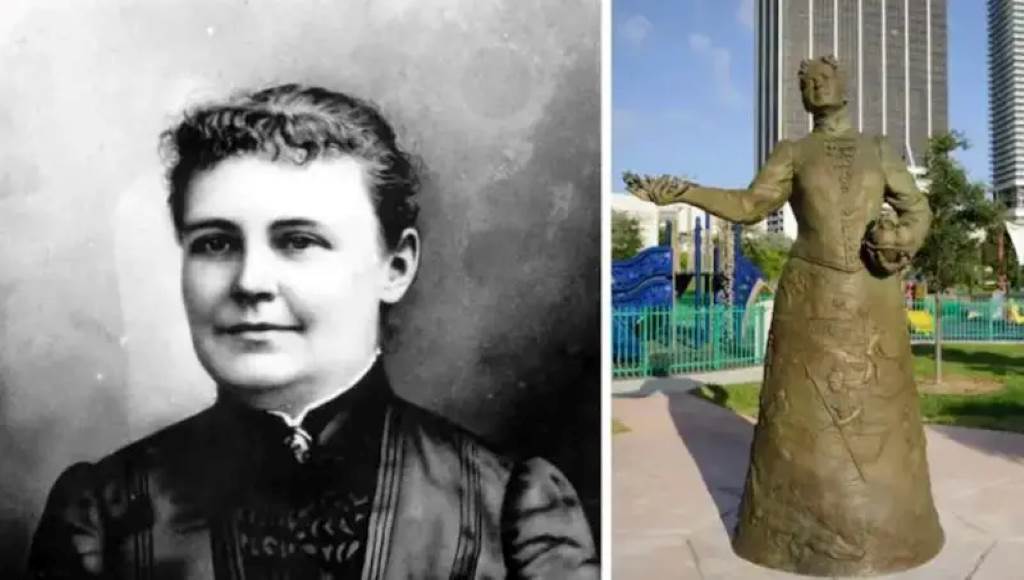
Who was Julia Tuttle, and what drove her to establish a city in the untamed Florida wilderness? Born in Cleveland, Ohio, Tuttle moved to the area near the mouth of the Miami River in 1891. She recognized the potential of this subtropical paradise, envisioning a bustling city where others saw only swampland. This entrepreneurial spirit and belief in the land’s potential are foundational to the city’s identity.
- Tuttle’s foresight was remarkable. She understood the strategic advantages of the location, including its frost-free climate and access to transportation routes.
- She worked tirelessly to persuade Henry Flagler, a railroad tycoon, to extend his Florida East Coast Railway to Miami.
- Her persistence paid off, and in 1896, Miami was officially incorporated, with Tuttle’s dream becoming a reality.
The Influence of Henry Flagler and the Railroad’s Role
While Julia Tuttle is rightfully credited as the founder, the development of Miami wouldn’t have been possible without the collaboration of Henry Flagler. His decision to extend the railway was pivotal in connecting Miami to the rest of the country.
- The railway brought in settlers, tourists, and commerce, sparking rapid growth.
- Flagler also built the Royal Palm Hotel, a luxury resort that attracted wealthy visitors and established Miami as a desirable destination.
- This infrastructure, combined with Tuttle’s land donation, was the crucial catalyst for the city’s rapid development.
Beyond the Beaches: Exploring Miami’s Historical Landmarks
Beyond its modern facade, Miami is home to numerous historical landmarks that tell the story of its past. Exploring these sites reveals more unknown facts about Miami and provides a deeper understanding of its cultural heritage.
- The Miami River: This waterway played a crucial role in the city’s early development, serving as a transportation route and a source of sustenance.
- Fort Dallas: A remnant of the Seminole Wars, this structure offers a glimpse into the region’s military history.
- The Barnacle Historic State Park: Provides a look into early pioneer life, showcasing the home of one of Miami’s influential settlers.
The Cultural Tapestry: Diversity and Growth in Miami
Miami’s cultural diversity is one of its most defining characteristics. This vibrant mix of cultures has shaped the city’s identity, contributing to its unique atmosphere.
- The city’s proximity to Latin America has resulted in a strong Hispanic influence, evident in its cuisine, music, and art.
- Waves of immigration have added to the city’s multicultural fabric, creating a rich tapestry of traditions.
- This diversity is reflected in the many neighborhoods, each with its own distinct character and charm.
Architectural Marvels: A Reflection of Miami’s Evolution
Miami’s architecture is a testament to its evolution, showcasing a blend of styles that reflect the city’s history and growth. From Art Deco masterpieces to modern skyscrapers, the city’s skyline is a visual feast.
- The Art Deco Historic District in South Beach is a must-see, featuring buildings with pastel hues and intricate details.
- Downtown Miami’s skyline is dominated by sleek, contemporary towers, symbolizing the city’s status as a global hub.
- Exploring these architectural gems reveals yet more unknown facts about Miami and its development.
Uncovering Hidden Gems: Lesser-Known Attractions
While popular attractions like South Beach and Wynwood attract crowds, Miami also boasts hidden gems that offer unique experiences.
- The Ancient Spanish Monastery: Originally built in Spain in the 12th century, this structure was disassembled and reassembled in Miami, offering a glimpse into medieval architecture.
- Vizcaya Museum & Gardens: A stunning Italian Renaissance-style villa, this museum showcases exquisite art and lush gardens.
- These lesser-known spots provide an alternative perspective on Miami, away from the typical tourist trail.
Preserving Miami’s History for Future Generations
It is essential to preserve Miami’s history and heritage, ensuring that future generations understand the city’s origins and the contributions of its founders.
- Local organizations and historical societies play a vital role in preserving landmarks and documenting the city’s past.
- Educational programs and initiatives help to raise awareness of Miami’s history among residents and visitors.
- Understanding and valuing this history is crucial to maintain the unique character of Miami.
Conclusion: Experience the Legacy of a Visionary City
Miami’s story is one of vision, perseverance, and cultural fusion. Understanding the unknown facts about Miami, particularly its founding by Julia Tuttle, adds depth to the city’s allure. From its historical landmarks to its vibrant neighborhoods, Miami offers a wealth of experiences for visitors and residents alike.
Ready to explore the historical depths and vibrant culture of Miami? Plan your visit today and discover the legacy of the city founded by a visionary woman. Share your favorite unknown facts about Miami in the comments below!