
Many people flock to Miami for its vibrant nightlife, stunning beaches, and cultural melting pot. But have you ever wondered about the origins of its captivating name? Delving into unknown facts about Miami reveals a fascinating connection to a Native Tribe origin. This article will explore the historical roots of “Miami,” shedding light on the Tequesta people and their enduring legacy, and uncover much more about the city’s rich history.
The Tequesta Tribe: The Original Native Tribe Origin
The story of Miami’s name begins with the Tequesta tribe, the indigenous people who inhabited the area long before European colonization. Their presence dates back thousands of years, and they played a crucial role in shaping the region’s early history. Understanding their culture provides valuable insight into the city’s deep-rooted heritage.
Who Were the Tequesta People?
The Tequesta were a sophisticated group of hunter-gatherers who thrived along the southeastern coast of Florida. They were skilled fishermen and seafarers, utilizing the abundant natural resources of the Biscayne Bay and surrounding areas. Their villages were strategically located along waterways, demonstrating their intimate knowledge of the environment.
- They lived in thatched-roof huts.
- They used dugout canoes for transportation.
- They had a complex social structure.
The Linguistic Link: “Mayaimi”
The word “Miami” is believed to derive from “Mayaimi,” the Tequesta word for “big water.” This term likely referred to Lake Okeechobee, which was once connected to the Miami River. The linguistic connection underscores the tribe’s deep relationship with the water that defined their existence. This is one of the more profound unknown facts about Miami.
- The pronunciation evolved over time with various settlers.
- Early maps reflected these various spellings.
- The name represents the life source of the Tequesta people.
The Evolution of Miami: From Native Settlement to Modern Metropolis
From a small Tequesta village to a bustling metropolis, Miami’s journey is a testament to its dynamic history. The city’s growth reflects a blend of indigenous heritage, colonial influences, and modern development.
Early European Encounters and Settlements
Spanish explorers arrived in the 16th century, marking the beginning of European contact with the Tequesta. However, permanent settlements were slow to develop. The Tequesta population declined due to disease and conflict, leaving a void that would eventually be filled by new settlers.
- Spanish missions attempted to convert the Tequesta.
- Conflicts over land and resources were common.
- Disease significantly reduced the native population.
The Role of Julia Tuttle: “Mother of Miami”
Julia Tuttle, a businesswoman from Cleveland, played a pivotal role in the modern development of Miami. She recognized the potential of the area and persuaded Henry Flagler to extend his Florida East Coast Railway to Miami. This led to the city’s official incorporation in 1896. This is another of the many unknown facts about Miami that are often over looked.
- She sent orange blossoms to Flagler during a freeze.
- Flagler’s railroad connected Miami to the rest of Florida.
- Her vision transformed a small settlement into a city.
Modern Miami: A Cultural Hub
Today, Miami is a vibrant and diverse city, known for its art, culture, and entertainment. The city’s multicultural identity is a reflection of its history, with influences from Latin America, the Caribbean, and beyond.
- Art Deco architecture defines South Beach.
- The city hosts numerous cultural festivals.
- Miami is a global center for business and tourism.
Preserving the Tequesta Legacy
While the Tequesta tribe no longer exists as a distinct community, their legacy lives on. Efforts are being made to preserve their history and educate the public about their contributions. These efforts are very important to continue to highlight unknown facts about Miami.
Archaeological Sites and Museums
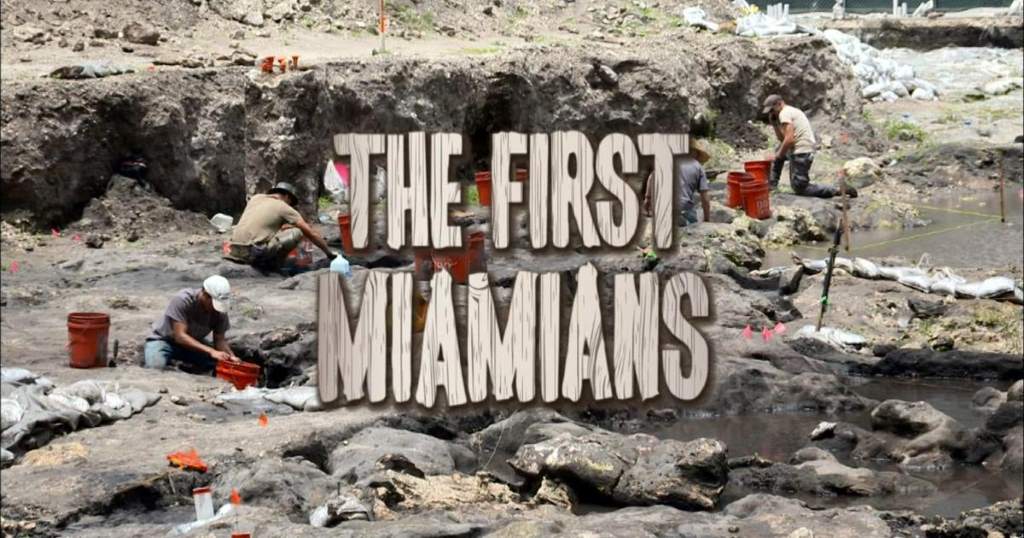
Archaeological sites and museums in Miami showcase artifacts and exhibits related to the Tequesta people. These sites offer valuable insights into their way of life and their connection to the land.
- The Miami Circle is a significant archaeological site.
- HistoryMiami Museum features Tequesta artifacts.
- Educational programs raise awareness about indigenous history.
Community Initiatives and Recognition
Local organizations and community members are working to raise awareness about the Tequesta legacy. These initiatives include educational programs, historical markers, and cultural events.
- Efforts to rename streets and landmarks to reflect Tequesta heritage.
- Partnerships with indigenous groups to promote cultural exchange.
- Educational outreach to schools and community centers.
Exploring Miami Beyond the Obvious
Beyond the beaches and nightlife, Miami offers a rich tapestry of history and culture. Exploring the city’s hidden gems and historical sites provides a deeper understanding of its unique character.
Hidden Historical Gems
Miami is home to numerous historical sites that offer glimpses into its past. These sites include preserved buildings, parks, and landmarks that tell the story of the city’s evolution.
- The Barnacle Historic State Park.
- The Deering Estate.
- The Venetian Pool.
Cultural Experiences
From art galleries and museums to cultural festivals and events, Miami offers a diverse range of cultural experiences. These experiences reflect the city’s multicultural identity and its vibrant artistic scene.
- Wynwood Walls.
- Art Basel Miami Beach.
- Calle Ocho.
Conclusion: Embrace Miami’s Rich Heritage
Understanding the Native Tribe origin of Miami’s name and the legacy of the Tequesta tribe adds a new layer of appreciation for this dynamic city. By exploring its history and culture, visitors and residents alike can gain a deeper understanding of Miami’s unique character. The unknown facts about Miami are plentiful, and beg to be discovered.
Explore Miami’s historical sites and museums to learn more about the Tequesta tribe and the city’s rich heritage. Share your discoveries with friends and family, and help preserve the legacy of the original Miamians. Plan your next visit to Miami and delve into its historical depths.