

Miami’s waterfront properties are a dream for homeowners, offering stunning views and a serene ambiance. However, remodeling a porch in this coastal paradise comes with unique challenges. From harsh weather to strict regulations, the process demands careful planning. My own experience remodeling a porch in Miami’s Coconut Grove taught me the importance of preparation. The salty air corroded materials quickly, and permitting delays nearly derailed the project. This article explores the key obstacles of waterfront porch remodeling in Miami and provides actionable solutions. Whether you’re a homeowner or contractor, you’ll find practical tips to create a durable, beautiful porch. Let’s dive into the challenges and how to tackle them effectively.
Harsh Weather Conditions: Battling Miami’s Elements
Miami’s climate is both a blessing and a curse for waterfront porches. High humidity, intense sun, and frequent storms pose significant threats. According to the National Oceanic and Atmospheric Administration (NOAA), Miami experiences an average of 130 rainy days annually, with hurricanes a recurring risk. These conditions accelerate material degradation, especially for wood and metal.
To combat this, choose weather-resistant materials like composite decking or marine-grade stainless steel. For instance, Trex composite decking withstands moisture and UV rays, lasting up to 25 years with minimal maintenance. Additionally, apply UV-resistant sealants to protect surfaces. Regular inspections after storms can catch damage early, saving costly repairs. During my remodel, I opted for aluminum railings, which resisted corrosion far better than the original steel. By prioritizing durable materials, you ensure your porch remains stunning despite Miami’s relentless weather.
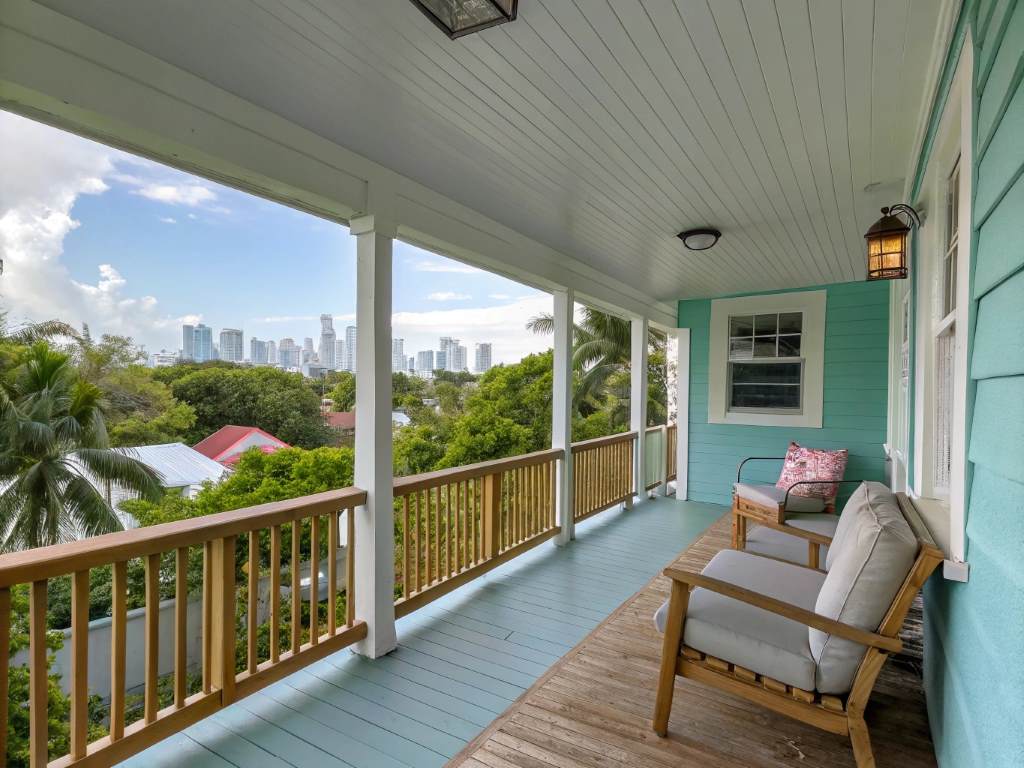
Corrosion from Salt Air: Protecting Your Porch
Salt air is a silent destroyer of waterfront porches. The salty breeze, carried from the Atlantic, corrodes metals and fades finishes. A 2021 study by the University of Miami found that coastal structures in Miami face corrosion rates up to 50% higher than inland areas. This makes material selection critical.
Opt for corrosion-resistant materials like powder-coated aluminum or vinyl. Stainless steel rated 316 is another excellent choice for railings and fixtures, as it resists saltwater damage. Regular maintenance is equally vital. Rinse metal surfaces monthly with fresh water to remove salt buildup. During my project, I learned this the hard way when untreated steel screws rusted within months. Applying protective coatings, like marine-grade paint, adds an extra layer of defense. These steps ensure your porch withstands the corrosive coastal environment for years.
Permitting and Regulations: Navigating Miami’s Rules
Miami’s strict building codes and permitting processes can overwhelm homeowners. Waterfront properties often fall under additional regulations, such as those from the Florida Department of Environmental Protection (FDEP). These rules protect coastal ecosystems and ensure structural safety. Failing to comply can lead to fines or project halts.
Start by researching local zoning laws and consulting Miami-Dade County’s permitting office. Hiring a licensed contractor familiar with waterfront regulations streamlines the process. For example, my contractor flagged a setback requirement I hadn’t considered, saving me from costly revisions. Submit detailed plans, including material specifications and environmental impact assessments, to expedite approvals. Be prepared for delays, as permitting can take 4–8 weeks.
Flood Risks and Elevation Requirements
Miami’s low elevation makes flooding a constant concern. The Federal Emergency Management Agency (FEMA) reports that Miami-Dade County faces a 26% chance of flooding annually. Waterfront porches must be elevated to meet FEMA’s Base Flood Elevation (BFE) standards, which vary by zone.
Consult a structural engineer to determine your property’s BFE and design an elevated porch. Use flood-resistant materials like concrete pilings or pressure-treated lumber certified for flood zones. Installing breakaway walls can minimize damage during storm surges. In my remodel, elevating the porch 3 feet above BFE was non-negotiable, though it increased costs. Ensure proper drainage systems, like sloped decking, to prevent water pooling. These measures protect your porch from Miami’s unpredictable flood risks while ensuring compliance with local codes.
Material Selection: Choosing Durability and Aesthetics
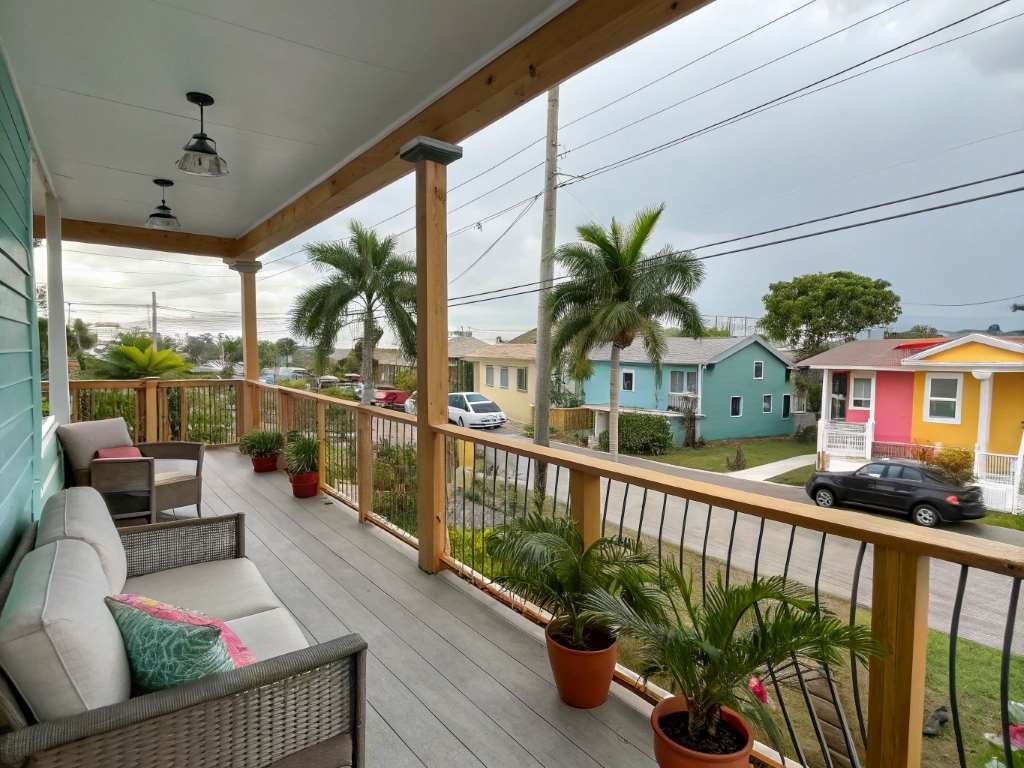
Selecting the right materials balances durability with visual appeal. Miami’s waterfront demands materials that withstand moisture, UV rays, and salt. Traditional wood, while beautiful, often warps or rots in humid conditions. Instead, consider alternatives like:
- Composite Decking: Brands like Azek offer low-maintenance, water-resistant options.
- Vinyl Railings: These resist fading and cracking, unlike wood.
- Concrete Pavers: Ideal for flooring, they endure heavy rain and heat.
During my remodel, I chose composite decking for its longevity and sleek look. It cost 20% more than wood but saved on maintenance. According to a 2022 Houzz report, 68% of coastal homeowners prefer composite materials for their durability. Pair materials with neutral tones to complement Miami’s vibrant aesthetic. Always prioritize quality over cost to avoid frequent replacements.
Insect and Pest Control: Safeguarding Your Porch
Miami’s warm, humid climate attracts pests like termites and mosquitoes. The University of Florida’s Institute of Food and Agricultural Sciences notes that termites cause $5 billion in property damage annually in the U.S., with Florida at high risk. Waterfront porches, often made of wood, are prime targets.
Use pressure-treated wood or composite materials to deter termites. Install screens or mosquito netting for comfort during evenings. Regular inspections by a pest control professional can catch infestations early. In my experience, adding a screened enclosure transformed our porch into a bug-free oasis, though it required upfront investment. Apply non-toxic repellents to furniture and seal cracks to prevent pest entry. These steps ensure your porch remains a relaxing retreat.
Budgeting for Unexpected Costs
Waterfront porch remodeling often exceeds initial budgets due to unforeseen challenges. A 2023 report by HomeAdvisor estimates that deck remodels in Miami cost $8,000–$20,000, with waterfront projects trending higher. Factors like permitting delays, material upgrades, or storm damage repairs add up quickly.
Plan for a 15–20% contingency fund to cover surprises. Get multiple contractor quotes to compare costs, ensuring they include permitting fees. My project budget ballooned when we discovered foundation issues, but a contingency fund saved the day. Prioritize high-impact features, like durable decking, over cosmetic upgrades if funds are tight. Transparent communication with your contractor about budget constraints prevents scope creep. With careful planning, you can achieve a stunning porch without breaking the bank.
Working with Contractors: Ensuring Quality Results
Choosing the right contractor is critical for a successful remodel. Miami’s competitive market means vetting is essential. Look for licensed, insured contractors with experience in waterfront projects. Check reviews on platforms like Yelp or Angie’s List.
Request references and visit past projects to assess quality. During my remodel, I interviewed three contractors, selecting one with a strong portfolio of coastal porches. Clear communication about timelines, materials, and costs prevents misunderstandings. Sign a detailed contract outlining scope and payment schedules. Regular site visits ensure the project stays on track. A reliable contractor turns your vision into reality while navigating Miami’s unique challenges.
Sustainable Design: Eco-Friendly Remodeling
Sustainability is gaining traction in Miami’s remodeling scene. Eco-friendly porches reduce environmental impact and appeal to green-conscious buyers. The U.S. Green Building Council reports that sustainable home features can increase property values by 7%.
Use reclaimed or recycled materials, like composite decking made from plastic waste. Install energy-efficient lighting, such as LED fixtures, to cut costs. Incorporate native plants in adjacent landscaping to minimize water use. In my project, adding a rainwater collection system for porch cleaning was both eco-friendly and cost-saving. Ensure materials meet FDEP guidelines to avoid fines. Sustainable choices create a porch that’s kind to both the planet and your wallet. Explore Smart Strategies for a Streamlined Space.
Maintaining Your Waterfront Porch
Regular maintenance extends your porch’s lifespan. Miami’s harsh conditions demand a proactive approach. Clean surfaces monthly to remove salt and debris. Inspect for cracks, rust, or loose fittings quarterly, addressing issues promptly.
Apply sealants every 1–2 years to protect against UV and moisture damage. My porch required resealing sooner than expected due to intense sun exposure, a lesson in staying vigilant. Store outdoor furniture during hurricanes to prevent damage. Hire professionals for annual deep cleanings to maintain aesthetics. A well-maintained porch not only looks inviting but also avoids costly repairs down the line.
Tips for a Successful Remodel
To ensure your waterfront porch remodel succeeds, follow these practical tips:
- Research Regulations Early: Check Miami-Dade County and FDEP rules before designing.
- Choose Durable Materials: Prioritize composite, vinyl, or stainless steel for longevity.
- Plan for Flooding: Elevate structures and use flood-resistant materials.
- Hire Experienced Contractors: Select professionals with waterfront expertise.
- Budget Wisely: Include a contingency fund for unexpected costs.
- Maintain Regularly: Clean and inspect your porch to prevent damage.
These steps, drawn from research and personal experience, simplify the process and deliver lasting results.
Conclusion
Remodeling a waterfront porch in Miami is a rewarding yet challenging endeavor. From battling corrosion to navigating permits, each obstacle requires careful planning. By choosing durable materials, hiring skilled contractors, and maintaining your porch, you can create a stunning, long-lasting space. My own journey taught me the value of preparation and adaptability in tackling Miami’s unique conditions. With the right approach, your porch will become a cherished retreat for years to come. Have questions or tips to share? Leave a comment below or share this article with fellow homeowners to inspire their projects!
FAQs
Why is salt air a problem for waterfront porches in Miami?
Salt air accelerates corrosion of metals and degrades finishes. Use corrosion-resistant materials like stainless steel or vinyl and rinse surfaces regularly.
What materials are best for a Miami waterfront porch?
Composite decking, vinyl railings, and concrete pavers are durable choices. They resist moisture, UV rays, and salt, ensuring longevity.
How long does permitting take for a porch remodel in Miami?
Permitting typically takes 4–8 weeks, depending on project complexity. Submit detailed plans and check Miami-Dade County’s portal for updates.
How can I protect my porch from flooding?
Elevate the porch above FEMA’s Base Flood Elevation, use flood-resistant materials, and install proper drainage to minimize water damage.
Are sustainable materials worth it for porch remodeling?
Yes, sustainable materials like recycled composite decking reduce environmental impact and can increase property value by up to 7%.