

Pork is one of the most commonly consumed meats across the globe, known for its versatility and rich flavor. However, ensuring that the pork you’re about to cook is still fresh is crucial for both taste and safety. Consuming spoiled pork can lead to foodborne illnesses such as salmonella or trichinosis, which are not only unpleasant but potentially dangerous. That’s why it’s important to know how to tell if pork is bad before cooking — and what signs to look for.
Whether you’re preparing a succulent pork roast or sizzling up some pork chops, checking the quality of your meat before it hits the pan can save you from a nasty surprise. In this guide, we’ll walk you through the key indicators of spoiled pork, from appearance and texture to smell and expiration dates. If you want to dive even deeper, foodwithkidappeal.com has helpful tips and family-friendly cooking advice that’s worth checking out.
Why It’s Important to Check Pork Before Cooking
Cooking doesn’t necessarily kill all bacteria or neutralize toxins found in spoiled meat. That’s why recognizing bad pork before it hits your stove or grill is essential. Eating bad pork can cause symptoms such as nausea, vomiting, stomach cramps, and diarrhea. Worse, it could lead to serious infections.
Fresh pork has a specific look, feel, and smell. If anything seems “off,” it’s best not to take the risk. When in doubt, throw it out.
To help you stay on the safe side, this article will cover all the signs that indicate pork may be spoiled — and what you should do if you suspect it is.
You can also refer to this comprehensive resource: https://foodwithkidappeal.com/food-drink/how-to-tell-if-pork-is-bad/ for more details on the subject.
Signs Your Pork Has Gone Bad
Here are the top indicators that your pork may no longer be safe to eat:
-
Check the Color
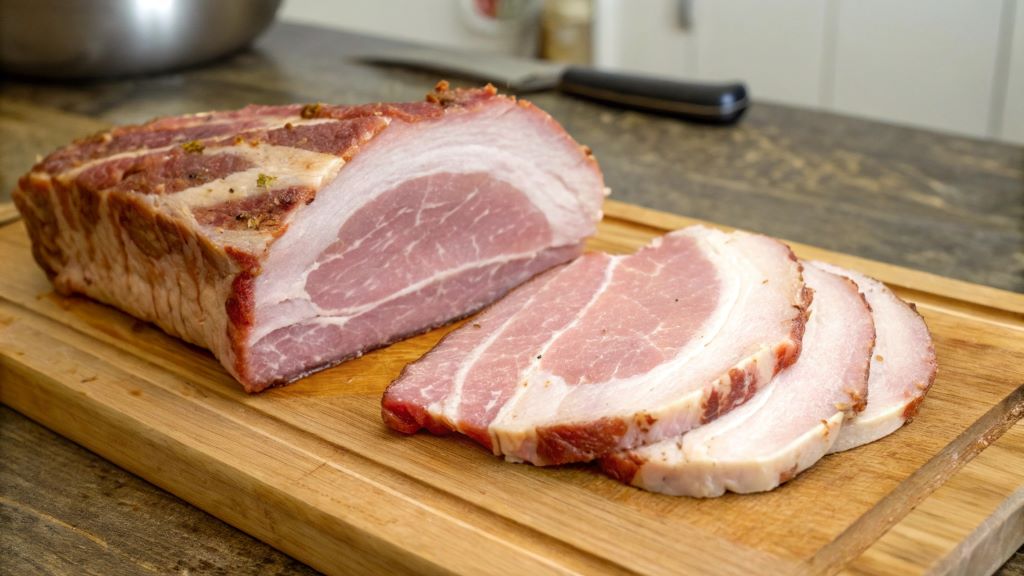
Fresh pork should have a pinkish hue with white or creamy fat marbling. If the pork appears gray, brown, green, or has any odd discoloration, it’s a strong indicator that the meat is no longer fresh. While a slight darkening may occur due to air exposure, any drastic change in color should be taken seriously.
-
Smell the Pork
One of the easiest and most reliable ways to detect spoiled pork is by its smell. Fresh pork has a mild, meaty scent. If you notice a sour, ammonia-like, or generally foul odor, the pork is likely bad. This is a red flag, and you should discard it immediately.
-
Touch and Feel
Texture can tell you a lot. Fresh pork should be firm to the touch and slightly moist. If the pork feels slimy, sticky, or overly dry, it may have gone bad. The sliminess is typically caused by bacteria breaking down the meat, which means it’s unsafe to eat.
-
Inspect the Packaging
If the pork is store-bought, always check the packaging. A puffed-up or bloated vacuum-sealed package could indicate bacterial activity. Also, check for leaks or tears in the plastic wrap, as these can let in air and bacteria.
-
Check the Sell-by or Use-by Date
While not the sole indicator, always pay attention to the expiration dates. Pork should be used by the “use-by” date for best quality. If it’s past this date, don’t risk it. Even if it looks and smells okay, the meat could still harbor harmful bacteria.
What Happens if You Eat Bad Pork?
Consuming spoiled pork can cause a range of foodborne illnesses. The symptoms may vary from mild to severe, depending on the level of spoilage and the type of bacteria present. Here are some common symptoms of food poisoning caused by bad pork:
- Stomach cramps
- Diarrhea
- Vomiting
- Fever
- Fatigue
In rare cases, particularly with undercooked or contaminated pork, serious infections such as trichinosis can occur. Always err on the side of caution.
Proper Storage to Keep Pork Fresh
To minimize the risk of spoilage, proper storage is key. Follow these tips:
- Refrigerate pork at or below 40°F (4°C).
- Use it within 3–5 days if raw, or freeze it.
- Freeze pork at 0°F (-18°C) if you’re not using it soon.
- Keep cooked pork in the fridge for no more than 3–4 days.
- Always use airtight containers or sealed freezer bags to prevent contamination.
Cooking Pork Safely
Even fresh pork needs to be cooked properly to avoid any health issues. According to the USDA:
- Whole cuts of pork should be cooked to an internal temperature of 145°F (63°C) followed by a 3-minute rest.
- Ground pork should reach 160°F (71°C).
- Use a meat thermometer for best accuracy.
5 FAQs About Spoiled Pork
- Can you cook pork that smells a little off?
No. If the pork has a sour or foul odor, it’s a clear sign it has gone bad. Cooking may kill bacteria, but it won’t remove the toxins they’ve already produced.
- Is slimy pork safe if I rinse it off?
No. Sliminess is a sign of spoilage due to bacterial growth. Rinsing it won’t make it safe and may even spread bacteria to your sink and other surfaces.
- Can you eat pork past the expiration date if it looks fine?
It’s risky. Even if the pork looks and smells okay, bacteria may still be present. Always use or freeze pork before the expiration or “use-by” date.
- What does spoiled cooked pork look like?
Spoiled cooked pork may appear discolored (grayish or greenish), may have a bad smell, and often has a slimy or sticky texture.
- Is freezer-burned pork still safe to eat?
Yes, but with a catch. Freezer-burned pork is safe to eat but may have a dry texture and off-flavor. Cut off the freezer-burned portions before cooking for better taste.
Final Thoughts
Knowing how to tell if pork is bad before cooking can save you from unpleasant meals and serious health risks. Always rely on your senses—sight, smell, and touch—to evaluate pork before you prepare it. When in doubt, toss it out.
Remember to store pork properly and cook it to the right temperature. Prevention is always better than dealing with the consequences of food poisoning.
Stay safe, and happy cooking!
Read More:
The Most Beautiful Spring Flowers in Miami
Life-Changing or Overhyped? Unbiased Reviews of the Latest Home Gadgets and Trends