
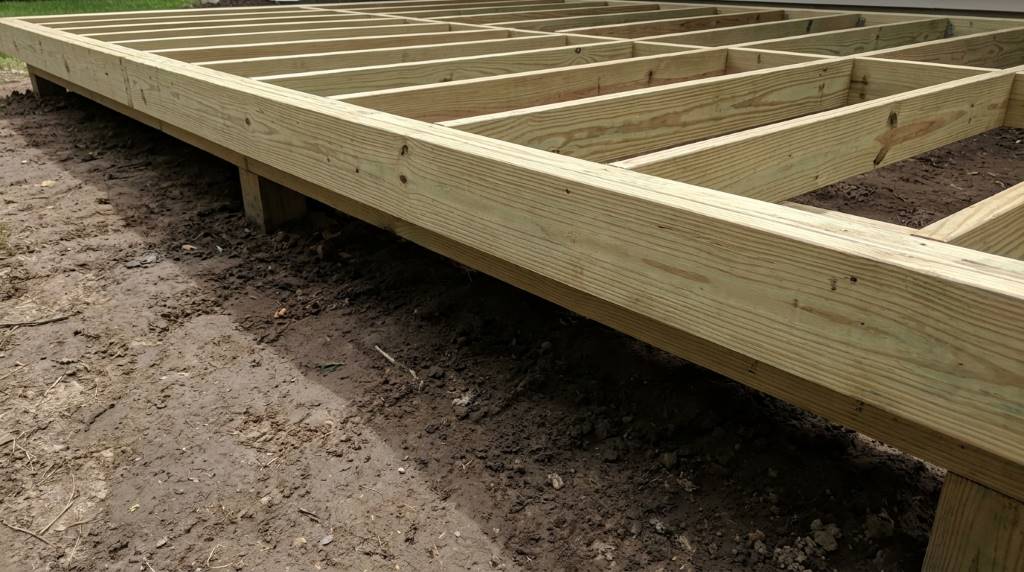
Moisture can silently damage structures long before visible signs appear. In Miami, high humidity, frequent rainfall, and occasional flooding create ideal conditions for trapped moisture beneath raised platforms. According to the National Oceanic and Atmospheric Administration, South Florida experiences significant annual rainfall, while the United States Environmental Protection Agency notes that excess moisture contributes to mold growth and structural deterioration in buildings. Because of these conditions, preventing moisture damage under raised platforms requires proactive planning and regular maintenance. Property owners who ignore early warning signs often face issues similar to water damaged deck framing, where prolonged moisture exposure weakens structural components and creates safety concerns.
Why Moisture Becomes a Serious Problem Under Raised Platforms
Raised platforms provide practical benefits, especially in areas prone to water accumulation. However, the space beneath these structures often becomes a hidden moisture trap. Warm temperatures combined with limited airflow allow condensation and dampness to linger longer than many people realize.
Furthermore, moisture can enter from several sources. Rainwater runoff, groundwater intrusion, irrigation systems, and humid air all contribute to elevated moisture levels. While homeowners often focus on indoor improvements such as selecting modern king bedroom sets, exterior structural protection deserves equal attention because hidden moisture issues can affect the entire property.
Common Consequences of Excess Moisture
- Wood rot and structural weakening
- Mold and mildew growth
- Rust on metal supports and fasteners
- Insect infestations, including termites
- Unpleasant odors beneath structures
- Reduced lifespan of platform materials
As a result, moisture management should become part of every long term property maintenance strategy in Miami.
Assessing Site Conditions Before Problems Develop
Prevention starts with understanding the environmental conditions surrounding the raised platform. Every property has unique drainage patterns, soil characteristics, and exposure levels.
Before installing or upgrading a platform, evaluate how water moves across the property during heavy rainfall. Low lying areas often collect water that slowly seeps beneath structures. Similarly, compacted soil can prevent proper drainage and increase moisture retention.
Many homeowners exploring small house designs and plans prioritize efficient use of space. Yet efficient design should also include proper site grading and water management around outdoor structures.
Key Site Evaluation Factors
Soil Type
Sandy soil drains faster than clay based soil. Since Miami contains a variety of soil conditions, understanding the local ground composition helps determine drainage needs.
Property Slope
A gentle slope encourages water to move away from structures. Flat areas often require additional drainage solutions.
Water Sources
Identify nearby sprinklers, downspouts, and drainage outlets. These features frequently contribute to hidden moisture accumulation.
Improve Ventilation Beneath Raised Platforms
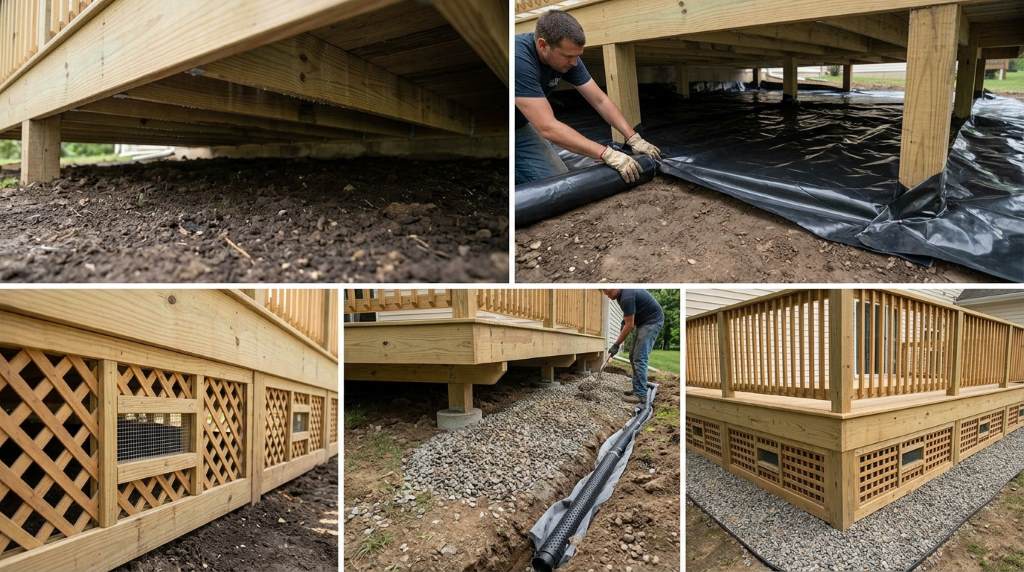
One of the most effective ways to prevent moisture damage involves increasing airflow beneath the structure. Good ventilation allows damp air to escape and encourages faster drying after rain events.
Without adequate air circulation, moisture remains trapped and creates a persistent humid environment. Consequently, wooden supports stay damp for longer periods, increasing the risk of decay.
During renovation planning, many contractors focus on protecting finishes and learning how to avoid window trim damage. Likewise, airflow beneath raised platforms deserves careful consideration because it protects hidden structural components.
Ways to Improve Airflow
- Maintain adequate clearance between the ground and platform
- Install ventilation openings where appropriate
- Remove debris that blocks airflow
- Avoid dense landscaping around support areas
- Inspect skirting systems to ensure ventilation remains unobstructed
Additionally, regular inspections help identify airflow restrictions before moisture problems develop.
Install Effective Drainage Systems
Drainage plays a central role in moisture prevention. Even well ventilated spaces can suffer damage when standing water remains beneath the platform.
Proper drainage directs water away from structural supports and minimizes prolonged ground saturation. Therefore, investing time in drainage improvements often prevents much larger repair projects later.
Recommended Drainage Solutions
French Drains
French drains collect and redirect excess groundwater. They work particularly well in areas that experience repeated water pooling.
Surface Drains
Surface drains quickly remove rainwater before it accumulates beneath structures.
Downspout Extensions
Extending downspouts moves roof runoff farther from platform supports, reducing moisture concentration around the foundation area.
Proper Grading
The ground should slope away from the structure whenever possible. This simple adjustment can significantly reduce water retention.
Use Moisture Resistant Materials
Material selection greatly influences long term durability. Since Miami’s climate exposes outdoor structures to persistent humidity, choosing moisture resistant components becomes especially important.
Although traditional wood remains popular, some varieties resist moisture better than others. Pressure treated lumber offers greater protection compared to untreated alternatives. Similarly, composite materials often provide excellent resistance to rot and moisture related deterioration.
Materials That Perform Well in Humid Conditions
- Pressure treated lumber
- Composite decking materials
- Galvanized fasteners
- Stainless steel connectors
- Moisture resistant coatings and sealants
Moreover, combining durable materials with proper maintenance creates multiple layers of protection.
Control Ground Moisture With Vapor Barriers
Many property owners overlook the ground itself as a source of moisture. However, moisture naturally rises from the soil through evaporation. Beneath raised platforms, this process can create consistently damp conditions.
A vapor barrier helps reduce this upward moisture movement. Typically, contractors install heavy duty plastic sheeting directly over the soil surface. This barrier limits evaporation and reduces humidity levels beneath the structure.
Benefits of Vapor Barriers
- Reduced ground moisture migration
- Lower humidity beneath platforms
- Decreased mold risk
- Improved structural longevity
- Better overall moisture control
As a result, vapor barriers often serve as one of the most cost effective moisture prevention measures available.
Perform Regular Inspections Throughout the Year
Even the best moisture control systems require monitoring. Conditions change over time, and small issues can quickly become major problems when left unaddressed.
Regular inspections allow property owners to identify moisture related concerns early. Consequently, repairs remain smaller, easier, and less disruptive.
What to Check During Inspections
- Standing water after rainfall
- Signs of mold growth
- Soft or discolored wood
- Rusting hardware
- Blocked drainage systems
- Damaged vapor barriers
- Vegetation touching support structures
Ideally, inspections should occur several times each year, especially before and after hurricane season.
Manage Landscaping Around Raised Platforms
Landscaping influences moisture levels more than many homeowners realize. Dense vegetation can restrict airflow and trap moisture around support structures.
Therefore, maintaining adequate clearance between plants and platform supports helps promote drying. Strategic landscaping also improves drainage and reduces water retention near the structure.
Landscaping Best Practices
- Keep shrubs trimmed back from supports
- Use mulch carefully around structural areas
- Direct irrigation away from the platform
- Remove debris that retains moisture
- Select plants suited to local drainage conditions
These simple steps often complement larger moisture control measures and improve overall performance.
Prepare for Miami’s Severe Weather Events
Miami’s weather patterns create additional moisture risks. Heavy storms can deliver large amounts of water in a short period. Therefore, raised platform protection plans should account for extreme weather conditions.
Property owners should inspect drainage systems before storm season begins. Likewise, clearing gutters and ensuring downspouts function properly helps reduce water accumulation around support structures.
After major storms, immediate inspections allow homeowners to identify damage before moisture becomes trapped beneath the platform.
Conclusion
Preventing moisture damage under raised platforms in Miami requires a combination of smart design, proper drainage, effective ventilation, and ongoing maintenance. Property owners who understand local climate challenges can take proactive steps to protect structural components from rot, mold, and deterioration. By improving airflow, controlling ground moisture, selecting durable materials, and conducting regular inspections, you can significantly extend the life of your raised platform. Start evaluating your platform today and address potential moisture risks before they develop into costly structural problems.
Frequently Asked Questions
How often should I inspect a raised platform for moisture damage?
Inspect it at least three to four times per year and after major storms.
Can humidity alone cause damage beneath a raised platform?
Yes, prolonged high humidity can promote mold growth and material deterioration even without standing water.
Do vapor barriers really help control moisture?
Yes, they reduce moisture evaporation from the soil and lower humidity beneath the structure.
What material resists moisture best for raised platforms?
Composite materials and pressure treated lumber generally perform well in humid environments.
Why is ventilation important under raised platforms?
Proper airflow helps moisture evaporate faster and reduces the risk of rot and mold.