
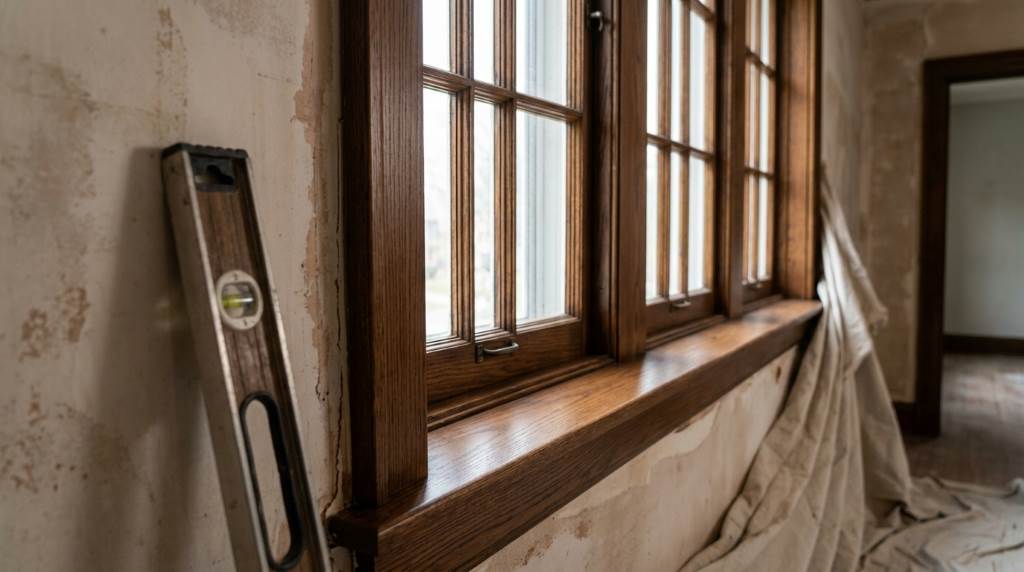
Home renovations often improve comfort, value, and appearance. However, many projects accidentally damage window trim during construction. According to industry reports, window related repairs account for a noticeable share of post renovation fixes. Additionally, moisture issues affect thousands of homes across coastal regions each year. When planning renovations, protecting trim deserves attention from the start. Homeowners researching design updates may also explore outside mount roman shades installation while considering ways to preserve surrounding window features.
Why Window Trim Damage Happens During Renovations
Many renovation crews focus heavily on walls, flooring, and fixtures. Meanwhile, window trim often receives limited protection. Dust, vibration, moisture, and accidental impacts create risks throughout the project. Therefore, understanding these causes helps homeowners prevent costly repairs.
Miami homes face unique environmental challenges. High humidity affects wood movement throughout the year. In addition, sudden rainstorms can introduce moisture into exposed areas. As a result, trim components may expand, contract, or weaken during construction.
Workers frequently move ladders, tools, and materials near windows. Consequently, even careful crews can bump trim edges accidentally. Small dents may seem minor at first. However, they often become visible after painting finishes.
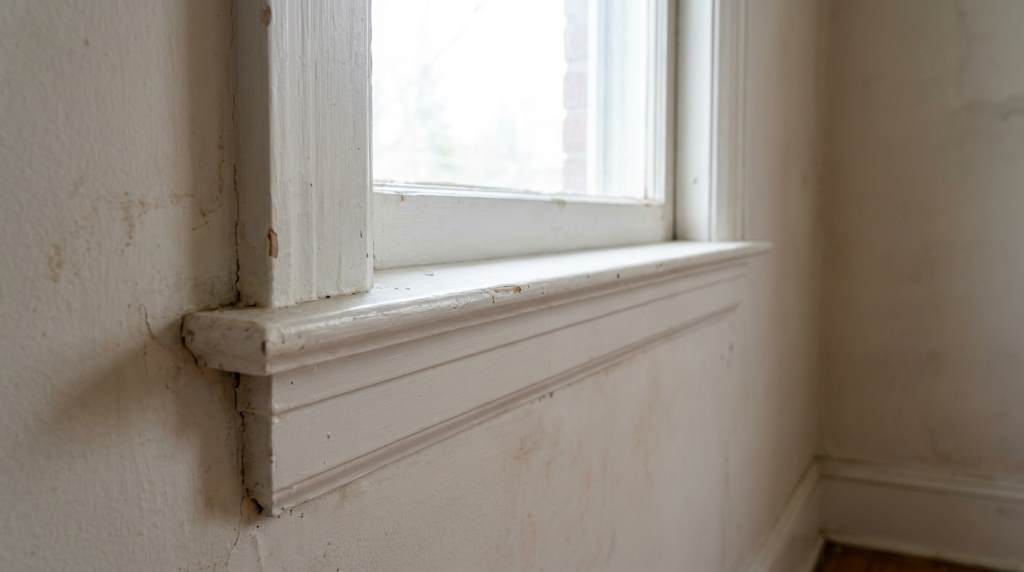
Inspect Existing Window Trim Before Work Begins
A detailed inspection creates a strong foundation for protection. First, examine corners, joints, and decorative profiles. Next, document existing scratches, cracks, or water damage. This process helps separate old issues from renovation related problems.
Photographs provide valuable records before construction starts. Moreover, they help contractors understand vulnerable areas. Many homeowners also review maintenance needs while researching window cleaning costs in miami because clean surfaces reveal hidden defects more clearly.
Pay close attention to trim near bathrooms and kitchens. These spaces often experience higher moisture exposure. Therefore, previous swelling may already exist beneath paint. Early detection prevents larger complications later.
Check Material Types
Different trim materials react differently during renovation work. Wood remains attractive but absorbs moisture more easily. Meanwhile, PVC trim offers greater resistance in humid conditions. Understanding the material guides protection strategies.
Create A Dedicated Window Protection Plan
Many renovation plans overlook window trim entirely. Instead, include specific protection steps within project schedules. This approach encourages accountability from every contractor involved. Consequently, damage risks decrease significantly.
Protective coverings should remain breathable whenever possible. Plastic sheeting can trap moisture against surfaces. Therefore, use products designed for temporary construction protection. Proper airflow reduces condensation and mold concerns.
Assign responsibility for installing and checking coverings. Otherwise, workers may assume someone else handled the task. Clear expectations improve consistency throughout the renovation process. In turn, trim remains protected longer.
Control Moisture Throughout The Project
Moisture remains one of the biggest threats to window trim. Miami’s climate creates humidity concerns almost every month. Consequently, renovation projects require extra attention to moisture management. Small mistakes can lead to swelling and deterioration.
Use dehumidifiers whenever interior humidity rises significantly. Additionally, keep windows protected during rainy periods. Construction openings should never remain exposed unnecessarily. Consistent moisture control preserves trim stability.
Contractors sometimes wash surfaces during renovation cleanup. However, excess water can reach trim joints and seams. Therefore, crews should use controlled cleaning methods. Dry conditions help maintain finish quality.
The Hidden Salt Air Factor
One uncommon issue involves salt carried through coastal air. Many blogs discuss humidity but ignore airborne salt exposure. Yet salt particles can settle on trim surfaces over time. During renovations, disturbed dust may increase contact with vulnerable finishes.
For homes near the coast, regular surface cleaning helps reduce accumulation. Furthermore, protective sealants provide another layer of defense. This often overlooked step supports longer trim life. Consequently, homeowners reduce future maintenance needs.
Use Safe Demolition Techniques Around Windows
Demolition work creates major risks for nearby trim. Vibrations can loosen joints and decorative details. Therefore, workers should use controlled removal methods whenever possible. Precision protects surrounding structures.
Heavy force often causes unnecessary damage. Instead, crews should remove materials in smaller sections. This approach reduces shock throughout the wall assembly. As a result, trim experiences less stress.
Protective corner guards offer additional security. Moreover, they remain inexpensive compared to repair costs. Homeowners should request these safeguards before demolition begins. Prevention always costs less than restoration.
Measure Carefully Before Window Upgrades
Many renovation projects include window replacements or modifications. Accurate measurements help avoid cutting errors near trim areas. Therefore, planning deserves careful attention from the beginning. Precision supports cleaner installations.
Homeowners often consult guides about how to measure for new windows before ordering replacements. Accurate dimensions reduce installation surprises. Consequently, crews perform fewer adjustments around existing trim.
Incorrect measurements frequently lead to rushed corrections. Unfortunately, these changes increase trim damage risks. Taking extra time during planning prevents many avoidable mistakes. Therefore, careful preparation delivers better outcomes.
Protect Trim During Painting And Finishing
Painting stages present unique challenges for window trim. Tape, sanding tools, and overspray can create issues. Consequently, painters must follow detailed protection procedures. Attention to detail makes a significant difference.
Use painter’s tape designed for delicate surfaces. Additionally, remove tape according to manufacturer recommendations. Leaving tape too long may damage finishes. Therefore, timing matters as much as technique.
Dust control remains equally important during sanding. Fine particles can settle into trim profiles and corners. As a result, surfaces may appear rough after finishing. Frequent cleanup improves final appearance.
Choose Renovation Materials Wisely
Material selection influences trim durability long after renovations finish. Some products release excessive moisture during curing. Others generate heavy dust or chemical exposure. Therefore, compatibility should guide purchasing decisions.
Low moisture construction materials often perform better around existing trim. Moreover, modern sealants help reduce environmental stress. Homeowners should discuss product choices with experienced contractors. Informed decisions improve long term results.
Quality materials may cost more initially. However, they often reduce repair expenses later. Consequently, total ownership costs become more favorable. Long term value should remain a priority.
Pay Attention To Floor To Ceiling Window Designs
Large window systems require additional care during renovations. Their size increases pressure on surrounding trim elements. Therefore, protection strategies should account for larger openings. Extra planning prevents avoidable damage.
Many property owners admire miami apartments with floor to ceiling windows because they create impressive views. However, these installations require precise renovation practices. Even minor impacts can affect surrounding finishes.
Workers should establish clear movement paths near large windows. This reduces accidental contact with trim edges. Furthermore, designated storage zones keep materials away from vulnerable areas. Organization supports protection efforts.
Monitor Contractors Throughout The Renovation
Regular oversight helps maintain protection standards. Homeowners should schedule brief walkthroughs during major phases. Additionally, photos provide useful progress records. Early corrections prevent larger problems.
Communication remains essential throughout the project. Therefore, discuss concerns immediately when issues appear. Most contractors appreciate prompt feedback. Collaborative problem solving benefits everyone involved.
Written expectations also improve accountability. Include trim protection requirements within project documentation. Consequently, responsibilities remain clear from start to finish. Strong communication reduces misunderstandings.
Repair Small Issues Before They Grow
Minor damage often becomes more noticeable over time. Small cracks can expand under Miami’s humid conditions. Therefore, prompt repairs help preserve appearance and durability. Early action saves money.
Inspect trim carefully after each renovation phase. Additionally, check corners and joints for separation. Small touch ups usually require minimal effort. Quick repairs prevent extensive restoration work.
Professional assessments may help when damage appears significant. Experts can identify hidden moisture concerns. As a result, homeowners address root causes instead of symptoms. Comprehensive repairs last longer.
Best Practices Checklist
- Inspect trim before construction starts.
- Photograph existing conditions thoroughly.
- Install breathable protective coverings.
- Control humidity during renovations.
- Use careful demolition methods.
- Verify measurements before upgrades.
- Protect surfaces during painting.
- Monitor contractor activities regularly.
- Repair minor damage immediately.
- Maintain trim after project completion.
Conclusion
Window trim plays an important role in both appearance and performance. Unfortunately, renovation projects can damage it without proper planning. However, homeowners who focus on moisture control, protection measures, and contractor oversight reduce risks significantly. Miami’s climate demands extra attention, especially around humidity and salt exposure. Start every renovation with a clear protection strategy and work closely with qualified professionals to keep window trim looking its best for years.
FAQs
How can I protect window trim during renovations?
Use breathable coverings, control moisture, and keep tools away from window areas.
Does Miami humidity affect window trim?
Yes, high humidity can cause swelling, cracking, and finish deterioration.
Should I replace damaged trim before renovating?
Yes, repairing existing damage helps prevent larger problems during construction.
What trim material performs best in humid climates?
PVC trim generally offers stronger moisture resistance than traditional wood.
How often should I inspect trim during a project?
Inspect trim after each major construction phase for early issue detection.