
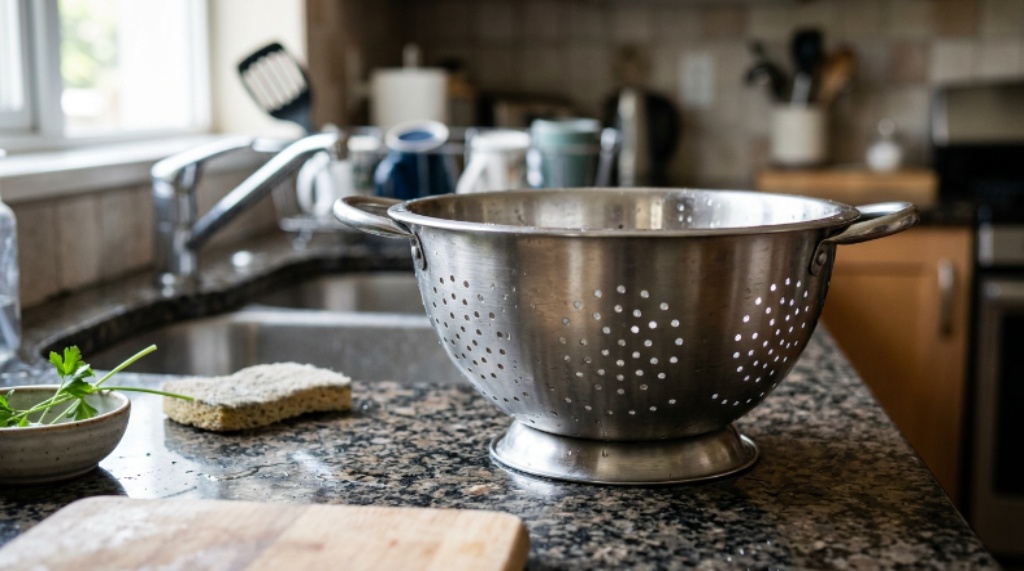
A pasta strainer is one of those kitchen tools you use almost every day. It drains your pasta, rinses your vegetables, and handles everything from canned beans to fresh berries. Yet many people buy the first one they see without thinking about how easy it will be to clean afterward.
That oversight leads to frustration. Food particles get trapped in small holes. Starchy residue builds up around the rim. Handles collect grime that a sponge cannot reach. Over time, a poorly designed strainer becomes a hygiene problem hiding in plain sight.
The good news is that choosing the right strainer from the start solves all of this. This guide covers the top features to look for so you can find a pasta strainer that performs well and stays genuinely clean with minimal effort.
Why Ease of Cleaning Should Be Your First Priority
Most people shop for a pasta strainer based on size or price. Those factors matter, but ease of cleaning is the one feature that affects your experience every single time you cook.
A strainer that is hard to clean will not get cleaned properly. Rushed rinses under the tap leave behind starch, oil, and food residue. That residue builds up with every use. Eventually, it becomes a breeding ground for bacteria, which raises real kitchen hygiene concerns that go beyond appearances.
Additionally, a strainer that traps food in difficult corners takes far longer to clean than one with a thoughtful design. Over a lifetime of cooking, those extra minutes add up considerably. Therefore, prioritizing cleanability is not a minor preference. It is a practical decision that affects both your time and your health.
Material Choices and How They Affect Cleaning
The material your strainer is made from determines how easy it is to clean, how long it lasts, and whether it can go in the dishwasher. There are three main options to consider.
Stainless Steel
Stainless steel is the gold standard for kitchen strainers. It is non-porous, which means bacteria and odors cannot soak into the surface. Food residue sits on top rather than absorbing into the material, making it far easier to rinse clean.
Stainless steel is also highly durable and resistant to rust when properly made. Look for 18/8 or 18/10 stainless steel, which indicates a higher nickel content and better corrosion resistance. Additionally, most stainless steel strainers are dishwasher-safe colanders, which makes deep cleaning effortless.
Plastic and Silicone
Plastic strainers are lightweight and inexpensive. However, they come with notable drawbacks when it comes to cleaning. Plastic is porous at a microscopic level. Over time, scratches from scrubbing allow bacteria to hide in places that water and soap cannot reach.
Silicone is a better alternative to hard plastic. It is flexible, non-porous, and resistant to staining. Silicone strainers collapse flat for easy storage and generally clean up well. However, silicone can retain odors from strongly flavored foods if not washed promptly and thoroughly.
Mesh and Wire Designs
Fine mesh strainers are ideal for small tasks like rinsing quinoa or straining sauces. However, they require more attention during cleaning because food particles can become lodged between the fine wires. Wider mesh or perforated designs with smooth-edged holes are generally easier to clean than very fine mesh alternatives.
Hole Size and Pattern Matter More Than You Think
The size, shape, and arrangement of the drainage holes directly affect how much food gets trapped and how easily the strainer cleans up.
Opt for Smooth-Edged Holes
Punched or stamped holes with rough edges catch food and residue more easily than laser-cut or precision-formed holes with smooth edges. When shopping in person, run your finger across the inside surface. A smooth finish means less food will cling during use and less scrubbing will be needed afterward.
Avoid Holes That Are Too Small
Tiny holes drain slowly and trap more particles. Unless you are specifically straining very fine ingredients, medium-sized holes offer the best combination of effective draining and easy cleaning. They let water pass quickly and allow a sponge or brush to reach the surface without difficulty.
Consider Perforated Bowls Over Basket Weaves
Basket-weave or woven wire designs have more surface area and more places for food to hide. A perforated bowl design, where the holes are pressed directly into a solid surface, is almost always easier to clean. The interior is smooth between holes, which means a quick wipe removes most residue in seconds.
Handle and Base Design Features That Simplify Cleaning
The body of the strainer is only part of the story. Handles, rims, and bases create additional areas where grime collects. Paying attention to these details makes a real difference in day-to-day maintenance.
Look for Integrated Handles
Handles that are welded or formed as part of the strainer body leave no gaps for food to collect. In contrast, handles with rivets or screws create small crevices that accumulate grease and residue over time. These spots are difficult to clean by hand and can become persistent kitchen hygiene issues if neglected.
Additionally, handles with a hollow interior and open ends can fill with water during washing and never fully dry. This creates conditions that support mold growth. Look for solid handles or handles with fully sealed ends.
Avoid Rubber Grip Inserts
Many strainers come with rubber or silicone grip inserts pressed onto metal handles. These look comfortable but are notoriously hard to clean. The join between the rubber and the metal collects residue that a sponge cannot remove easily. Unless the rubber insert is fully removable for separate washing, it is better to avoid this design.
Check the Base and Footing
Strainers with a wide, flat base or integrated feet allow air to circulate underneath when the strainer is set down. This helps it dry faster and prevents moisture from being trapped between the strainer and your counter. Faster drying means less chance of bacterial growth and better kitchen hygiene between uses.
Dishwasher Compatibility: What to Check Before You Buy
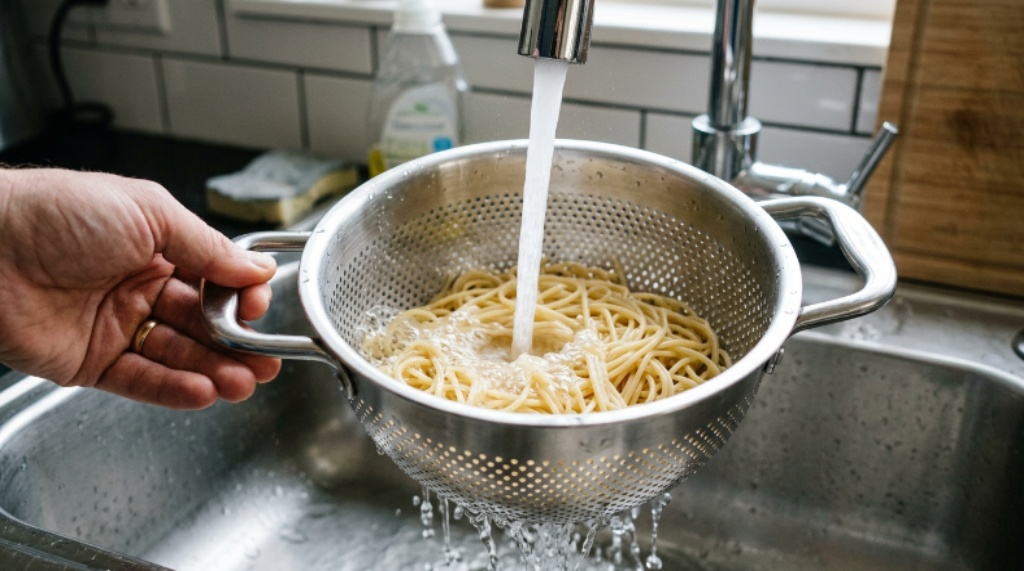
A dishwasher-safe colander is one of the most convenient tools in a modern kitchen. However, not all strainers that claim to be dishwasher-safe hold up equally well over time.
Verify the Material Certification
Look for strainers explicitly labeled as dishwasher-safe by the manufacturer. Stainless steel strainers generally handle repeated dishwasher cycles well. However, lower-grade steel can develop rust spots over time when exposed to the high heat and harsh detergents used in dishwashers. Plastic strainers may warp or discolor after repeated high-temperature washes.
Consider Placement in the Dishwasher
Even with a dishwasher-safe colander, proper placement matters. Large strainers placed on the bottom rack can block water from reaching other items. Smaller strainers placed on the top rack benefit from the gentler spray. Always check the manufacturer’s recommendation for which rack to use.
Think About Long-Term Durability
Frequent dishwasher use accelerates wear on cheaper materials. If you plan to wash your strainer in the dishwasher after every use, investing in a higher-quality stainless steel option will serve you better in the long run than a budget plastic alternative that degrades quickly.
Size and Shape Considerations for Practical Use
The right size makes a strainer easier to use and easier to clean. An oversized strainer is harder to maneuver under the tap and takes up more room in the dishwasher. A strainer that is too small splashes water everywhere and may not drain efficiently.
For most home kitchens, a colander with a capacity of four to five litres handles pasta for two to four people comfortably. If you cook for a larger household, consider a six-litre option. A deep bowl shape contains pasta better during draining and is generally more stable than a shallow design.
Additionally, a round shape is easier to clean than an oval or irregular shape because a sponge or brush can cover the interior surface evenly without missing corners.
Top Features to Prioritize: A Quick Summary
When you are ready to shop, keep these key features in mind:
- Stainless steel construction with smooth-edged, medium-sized holes
- Integrated, solid handles with no rivets or hollow ends
- A perforated bowl design rather than a woven or basket-weave structure
- Confirmed dishwasher-safe rating from the manufacturer
- A stable base with feet or a flat ring for air circulation and fast drying
- A size that suits your household without being unnecessarily large
Conclusion
Choosing an easy-to-clean pasta strainer comes down to a handful of key decisions. Start with material, as stainless steel outperforms plastic and silicone for long-term cleanliness and durability. Pay attention to hole design and surface texture, since smooth-edged perforations trap far less food than woven wire alternatives. Examine the handles, base, and overall construction for any crevices that could harbor residue.
Confirm that your chosen strainer is a dishwasher-safe colander if convenient cleaning is a priority. And always consider whether the design supports proper drying, since moisture control is central to good kitchen hygiene. With the right features in place, a quality pasta strainer should be one of the easiest items in your kitchen to keep spotlessly clean for years to come.
Frequently Asked Questions
What is the easiest type of pasta strainer to clean?
A stainless steel perforated bowl colander is the easiest type to clean. It has a smooth, non-porous surface with no woven wires or crevices to trap food. Most are also dishwasher-safe, which makes thorough cleaning effortless after every use.
Can I put any colander in the dishwasher?
Not all colanders are dishwasher-safe. Stainless steel models generally handle dishwasher cycles well, while some plastic colanders may warp or discolor with repeated exposure to high heat. Always check the manufacturer’s label before placing any colander in the dishwasher.
How do I remove starchy buildup from a pasta strainer?
Soak the strainer in hot water with a small amount of dish soap for 10 to 15 minutes. Then use a soft brush or sponge to scrub the surface. For stubborn buildup, a paste of baking soda and water applied with a brush works well without scratching the surface.
How often should I deep clean my pasta strainer?
Rinse your strainer thoroughly after every use. A deep clean, either by hand with a brush or in the dishwasher, should be done at least once a week if you use it frequently. Regular deep cleaning prevents the kind of buildup that creates kitchen hygiene problems over time.
Are mesh strainers harder to clean than colanders with holes?
Yes, generally. Fine mesh strainers have more surface area and tighter gaps where food can become lodged. They require a dedicated brush and more thorough rinsing to clean properly. Colanders with punched or laser-cut holes in a solid bowl are significantly easier to clean in most situations.